In an era where brands and individuals compete for attention online, authenticity has become a defining factor in audience trust. Followers are increasingly aware of fake engagement, automated comments, and overly polished brand narratives. As a result, organizations now rely on authenticity metrics to measure not just reach, but the credibility and quality of engagement on social media platforms.This article explores what authenticity metrics are, why they matter, recent developments in measurement methods, real-world applications, and how professionals can strengthen their expertise through structured learning paths.
What Are Authenticity Metrics?
Authenticity metrics evaluate how genuine and trustworthy social media engagement is. Instead of focusing solely on vanity metrics such as likes and follower counts, authenticity measurement prioritizes quality indicators such as:
Meaningful comments
Organic conversation flow
Sentiment and tone analysis
Share and save behavior
Audience consistency over time
These metrics help brands assess whether engagement reflects true interest or artificial amplification.
Why Authenticity Matters
Consumer Trust
Modern consumers are skeptical of heavily curated content. Audiences are more likely to engage with brands that communicate transparently and respond thoughtfully. Authentic engagement fosters long-term loyalty.
Algorithm Prioritization
Social media platforms increasingly reward posts that generate meaningful interaction. Content that sparks conversation and extended viewing time tends to receive greater visibility.
Reputation and Brand Equity
Reputation is built through sustained credibility. Authenticity metrics allow brands to evaluate not just how many people interact, but how sincerely they connect.
Core Authenticity Indicators
Engagement Quality
Rather than counting all reactions equally, marketers analyze comment sentiment and depth. A thoughtful discussion carries more weight than multiple one-word replies.
Follower Stability
Gradual audience growth paired with steady engagement often signals authenticity. Sudden spikes without interaction may suggest inorganic tactics.
Watch Time and Retention
On video platforms, sustained watch time reflects genuine interest. High view counts without retention often indicate superficial clicks.
Share and Save Rates
Content that users choose to share or save demonstrates perceived value, a strong marker of authentic engagement.
Recent Developments
AI-Driven Sentiment Analysis
Advancements in natural language processing allow brands to analyze comment tone, emotional signals, and conversation patterns more precisely.
Bot Detection Technologies
Machine learning tools can now identify suspicious engagement patterns, helping marketers filter out fake followers and automated interactions.
Cross-Platform Analytics
Integrated dashboards provide a broader view of user behavior across multiple platforms, supporting more comprehensive authenticity evaluation.
Real-World Applications
Influencer Evaluation
Brands now evaluate influencers based on engagement depth rather than follower size. Micro-influencers often demonstrate higher authenticity due to closer audience relationships.
Campaign Optimization
A retail brand shifted focus from maximizing impressions to improving comment quality and save rates. This strategy improved repeat engagement and brand trust over time.
Community Building
Nonprofits and advocacy groups use authenticity metrics to measure meaningful dialogue rather than surface-level engagement, ensuring that awareness campaigns translate into real participation.
Challenges
Authenticity measurement is not without limitations. High engagement can sometimes stem from controversy rather than support. Sentiment tools may misinterpret context. Privacy regulations also require careful handling of user data.
Skills for Authentic Measurement
Measuring authenticity requires both strategic marketing knowledge and analytical capability. Professionals can strengthen their expertise through structured learning programs such as aMarketing certification, which builds foundations in audience strategy and engagement analysis. For those seeking deeper technical insight into analytics systems and emerging technologies, pursuing aTech Certification orDeep tech certification can provide valuable cross-disciplinary skills.Combining marketing insight with technical literacy allows professionals to interpret engagement data responsibly and effectively.
Best Practices
Focus on long-term engagement trends rather than single-post metrics
Combine multiple indicators such as sentiment, retention, and share rates
Audit audience growth patterns regularly
Align messaging with consistent brand values
Conclusion
Authenticity metrics represent a shift from counting clicks to measuring connection. In a digital environment saturated with content, genuine engagement stands out. By prioritizing conversation depth, audience trust, and sustainable interaction patterns, brands can build credibility that extends beyond algorithms.As social media evolves, professionals equipped with strong analytical skills and credentials such as aMarketing certification,Tech certification, andDeep tech certification will be better prepared to navigate and measure authenticity in a data-driven world.


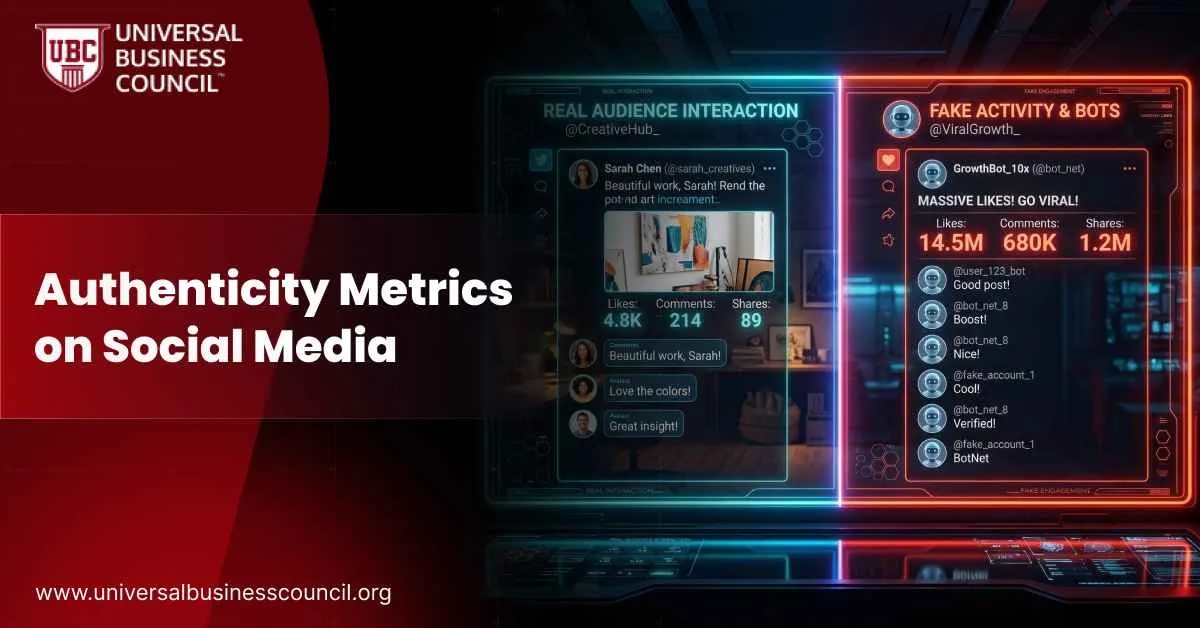 In an era where brands and individuals compete for attention online, authenticity has become a defining factor in audience trust. Followers are increasingly aware of fake engagement, automated comments, and overly polished brand narratives. As a result, organizations now rely on authenticity metrics to measure not just reach, but the credibility and quality of engagement on social media platforms.
This article explores what authenticity metrics are, why they matter, recent developments in measurement methods, real-world applications, and how professionals can strengthen their expertise through structured learning paths.
In an era where brands and individuals compete for attention online, authenticity has become a defining factor in audience trust. Followers are increasingly aware of fake engagement, automated comments, and overly polished brand narratives. As a result, organizations now rely on authenticity metrics to measure not just reach, but the credibility and quality of engagement on social media platforms.
This article explores what authenticity metrics are, why they matter, recent developments in measurement methods, real-world applications, and how professionals can strengthen their expertise through structured learning paths.