

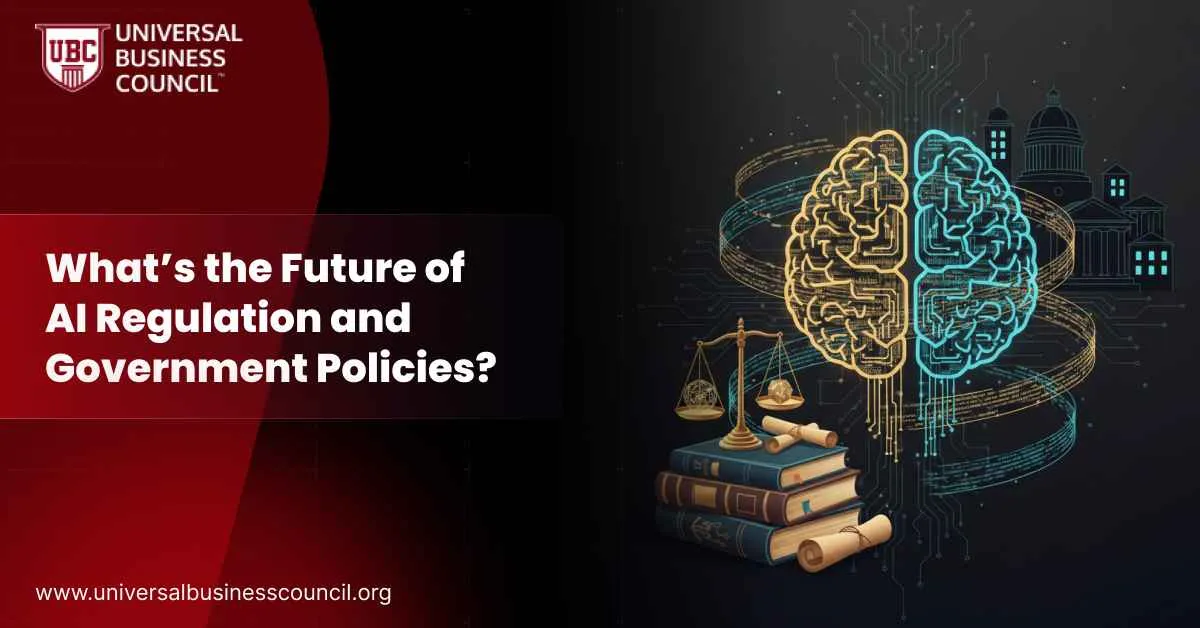
 AI is advancing faster than most governments can regulate it. The direct answer to the search intent is this: the future of AI regulation will center on balancing innovation with safety, building global standards, and creating accountability systems that protect people while keeping development open. Around the world, countries are rolling out new rules on transparency, liability, and misuse, and it’s reshaping how AI will be used in business and society. For professionals who want to understand how these shifts connect to strategy and adoption, a Marketing and Business Certification is a valuable way to bridge regulatory changes with market opportunities.
The Current Landscape
Europe has taken the lead with its AI Act, which divides AI systems into categories based on risk. High-risk uses, like medical diagnosis tools or critical infrastructure systems, face strict obligations, while unacceptable uses, such as social scoring, are banned outright. Italy recently became the first EU country to pass a national AI law under this framework, including penalties for harmful deepfakes, workplace AI rules, and new protections for children. In the U.S., the picture is more fragmented. The federal government introduced the America’s AI Action Plan, directing agencies to remove barriers to innovation, but much of the action is at the state level, with laws focusing on election security, deepfakes, and liability. To gain clarity on how these systems are designed, an AI certification can give you the technical foundation needed to understand what regulators are targeting.Global Cooperation and Co-Governance
Beyond national laws, multilateral frameworks are emerging. The Framework Convention on Artificial Intelligence, adopted by the Council of Europe, emphasizes human rights and democracy as guiding principles. Policymakers and academics are also calling for “co-governance” models where governments, civil society, and industry share responsibility instead of leaving regulation solely in government hands. For professionals looking to see the full range of AI governance approaches worldwide, AI certs provide structured exposure to applications across industries.Key Policy Tools Shaping the Future of AI
| Policy Tool | Role in Regulation |
| Risk classification | Tailors obligations based on system risk level |
| Regulatory sandboxes | Lets firms test AI under government oversight |
| Audits & impact checks | Ensures transparency and fairness in deployment |
| Liability regimes | Assigns accountability when AI causes harm |
| Transparency rules | Requires explainable models and disclosure |
| International frameworks | Aligns standards across borders |
| Safe harbors & phased rollout | Encourages innovation while rules evolve |


Leave a Reply