

Harness Engineering
 Smita
Smita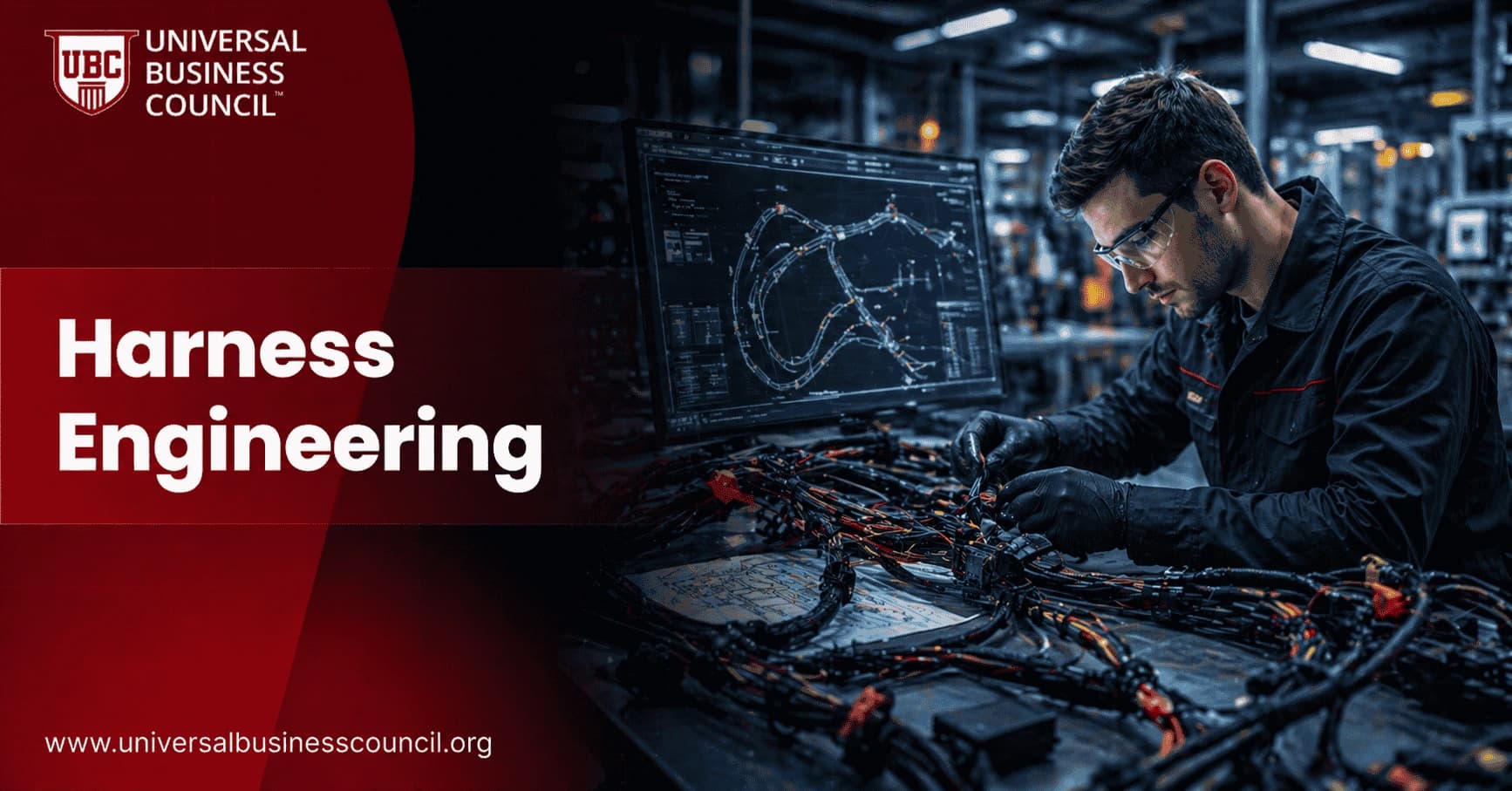
Harness Engineering
Harness engineering is a foundational discipline in modern electrical and mechanical systems, enabling efficient communication and power distribution across complex devices. From automobiles and aircraft to robotics and consumer electronics, wiring harnesses serve as the backbone that connects multiple components into a cohesive system. Without well-designed harnesses, even the most advanced technologies would fail to operate reliably. As industries move toward automation, electrification, and smart systems, harness engineering is evolving rapidly. Engineers are increasingly integrating artificial intelligence and advanced tools into their workflows. Many professionals also expand their understanding of how technology connects with business strategy through an AI powered digital marketing course, which is often part of a Powered-Digital-Marketing-Expert learning path. To further strengthen technical expertise, professionals often pursue a Prompt engineer certification and an AI expert certification, helping them understand how AI can optimize engineering workflows.What is Harness Engineering?
Harness engineering involves designing and assembling electrical wiring systems that connect different components within a machine. These systems, known as wiring harnesses, organize cables and wires into structured layouts that ensure efficient transmission of power and signals. A typical wiring harness includes wires, connectors, terminals, and protective coverings. Engineers must design these components carefully to ensure durability, safety, and optimal performance. In industries like aerospace and automotive, even minor faults can lead to serious failures, making precision essential.Importance of Harness Engineering in Modern Systems
Harness engineering ensures that all components within a system communicate effectively. In modern vehicles, for example, wiring harnesses connect sensors, control units, lighting systems, and infotainment modules. A failure in one part of the harness can disrupt the entire system. With the rise of electric vehicles and smart technologies, harness systems must now support higher power loads and faster data transmission. Engineers often enhance their capabilities through specialized programs like the Claude AI Certification, AI Developer certification, to better integrate AI into system design.Key Components of a Wiring Harness
Wires and Cables
Wires carry electrical signals and power across components. Material selection and insulation are critical for performance and safety.Connectors
Connectors link different parts of the system. They must be durable and resistant to environmental conditions such as heat and vibration.Terminals
Terminals provide secure connections between wires and components. Proper installation ensures reliability.Protective Coverings
Protective coverings shield the harness from damage caused by environmental factors like moisture and abrasion.Harness Engineering Design Process
Requirement Analysis
Engineers analyze system requirements, including electrical load and environmental conditions.Schematic Design
Electrical schematics define how components are connected and ensure logical accuracy.Layout Design
The physical arrangement of the harness is designed for efficiency and accessibility.Prototyping and Testing
Prototypes are tested to identify issues and ensure performance standards are met.Manufacturing and Assembly
The final harness is produced using advanced manufacturing techniques and automation.Applications of Harness Engineering
Automotive Industry
Wiring harnesses are essential in modern vehicles, supporting engine control, safety systems, and entertainment features.Aerospace Industry
Aircraft rely on harness systems for communication and control. Reliability is critical in this sector.Industrial Automation
Harness engineering supports robotics and automated systems by connecting sensors and control units.Consumer Electronics
Devices like smartphones and laptops use compact harness systems for efficient operation.Role of AI in Harness Engineering
Artificial intelligence is transforming harness engineering by automating design and improving accuracy. AI tools can analyze requirements and generate optimized designs quickly. Professionals are increasingly adopting AI-driven workflows through programs like the AI Powered coding expert Course, which helps integrate AI into engineering processes. AI also supports predictive maintenance by identifying potential failures before they occur, improving system reliability.Latest Developments in Harness Engineering
Smart Harness Systems
Modern harnesses include sensors that monitor performance in real time.Lightweight Materials
Engineers are using lightweight materials to improve efficiency in automotive and aerospace applications.Modular Designs
Modular harness systems improve scalability and maintenance.Automation in Manufacturing
Automation enhances production efficiency and reduces errors.Challenges in Harness Engineering
Increasing Complexity
Modern systems require highly complex harness designs.Space Constraints
Engineers must design compact systems without compromising performance.Environmental Factors
Harnesses must withstand extreme conditions such as heat and moisture.Cost Management
Balancing performance and cost remains a key challenge.Future of Harness Engineering
The future of harness engineering lies in integrating AI, automation, and advanced materials. Engineers will increasingly rely on intelligent systems to design and optimize harnesses. As industries evolve, the demand for skilled professionals will continue to grow. Those who adapt to new technologies and continuously upgrade their skills will remain competitive.Conclusion
Harness engineering is a critical discipline that enables efficient communication and power distribution across modern systems. Its applications span multiple industries, making it essential for technological advancement. With the integration of AI and advanced tools, the field is evolving rapidly. Professionals who embrace continuous learning and innovation will be best positioned for future opportunities.Frequently Asked Questions
1. What is harness engineering?
Harness engineering is the process of designing and assembling wiring systems that connect electrical components. It ensures efficient transmission of power and signals within a system. These systems are widely used in industries such as automotive, aerospace, and electronics. Engineers must consider safety, durability, and performance. It plays a vital role in modern technology.2. Why is harness engineering important?
Harness engineering ensures proper communication between system components. Without it, electrical systems would not function correctly. It also improves safety by preventing faults and failures. Modern systems rely heavily on complex wiring networks. This makes it essential for reliable operations.3. What are the main components of a wiring harness?
The main components include wires, connectors, terminals, and protective coverings. Each component serves a specific function. Wires carry signals, while connectors link different parts. Protective coverings ensure durability. Together, they form a reliable system.4. Where is harness engineering used?
Harness engineering is used in automotive, aerospace, industrial automation, and consumer electronics. It supports power distribution and communication systems. Every modern machine depends on it. Applications continue to expand. It is essential across industries.5. How does AI help in harness engineering?
AI helps automate design processes and improve accuracy. It analyzes complex requirements and generates optimized solutions. AI also supports predictive maintenance. This reduces downtime and improves efficiency. Engineers benefit from faster workflows.6. What skills are needed for harness engineering?
Skills include electrical knowledge, design expertise, and problem-solving abilities. Engineers must understand system requirements. Familiarity with tools is important. Communication skills help in teamwork. Continuous learning is essential.7. What are the challenges in harness engineering?
Challenges include complexity, space constraints, and environmental conditions. Engineers must design efficient and durable systems. Cost management is another concern. Balancing these factors is difficult. Proper planning helps overcome challenges.8. What is a smart harness system?
A smart harness system includes sensors for real-time monitoring. It improves reliability and efficiency. Data helps in maintenance and optimization. It is a modern advancement. Adoption is increasing rapidly.9. How are harnesses tested?
Harnesses are tested through simulations and physical testing. Engineers check for performance and durability. Testing ensures reliability. It helps identify issues early. This improves quality.10. What is the future of harness engineering?
The future includes AI integration and automation. Smart systems will become more common. Efficiency will improve. Engineers will rely on intelligent tools. The field will continue evolving.Related Articles
View All
Artificial Intelligence
Gemini 4 Argon: Features, Pricing, and Availability
Gemini 4 Argon is Google’s new flagship AI model for coding, science, finance, law and security. See its main features, API and subscription pricing, and where you can access it today.

Artificial Intelligence
What Is Meta Muse Wonder? Features and How It Works
Meta Muse Wonder is a new frontier AI model built for agents with Active Memory and Active Focus. Learn what it is, how it works, its features, pricing and how to access it.

Artificial Intelligence
What Is Google Playground? Features and How It Works
What is Google Playground? Learn how Google's new AI platform turns text prompts into playable browser games, which models power it, its features, pricing and access, Unity Spark plans, rival tools, and limits.
Trending Articles
The Role of Blockchain in Ethical AI Development
How blockchain technology is being used to promote transparency and accountability in artificial intelligence systems.
AWS Career Roadmap
A step-by-step guide to building a successful career in Amazon Web Services cloud computing.
Top 5 DeFi Platforms
Explore the leading decentralized finance platforms and what makes each one unique in the evolving DeFi landscape.