

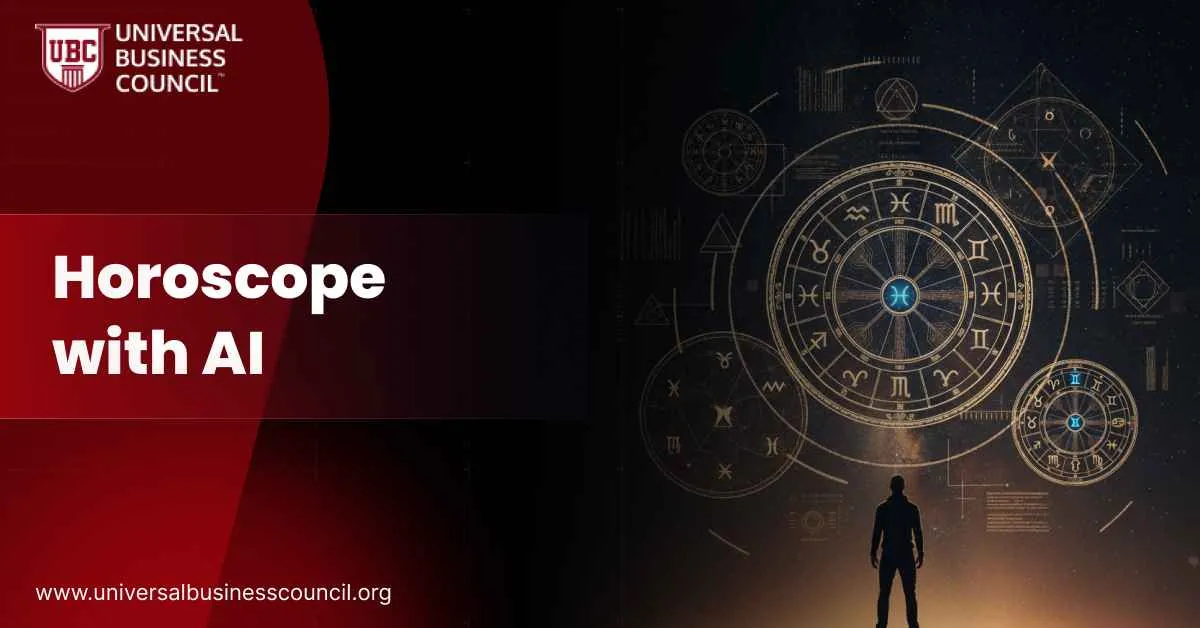
 If you are wondering whether artificial intelligence can create horoscopes, the answer is yes. AI is now being used to generate daily predictions, build birth charts, and even deliver advice that feels more personal than traditional newspaper columns. Apps such as KundliGPT, Horoscope.ai, and AstroSage are making astrology instant and interactive. This shows how fast astrology is blending with new tools, creating a fresh space where age-old beliefs meet modern algorithms. For professionals curious about the bigger picture of consumer trust, a Marketing and Business Certification is a smart way to learn how innovations like these change user engagement.
What Is an AI Horoscope?
An AI horoscope is a prediction created by software that uses both astrology and machine learning. Instead of a human astrologer reading planetary positions by hand, AI collects your birth details, generates a natal chart, and compares it against massive datasets of past outcomes. From there, it creates forecasts about love, career, health, and lifestyle. Unlike generic zodiac readings, AI can adjust predictions in real time as planetary movements change. This makes forecasts feel current and more personal. Anyone interested in learning how these models work can explore tech certifications to understand the systems behind AI applications.Why People Believe in AI Horoscopes
People trust AI-generated horoscopes for a few reasons. First, the readings feel unique because they are based on exact birth data. Second, results are delivered instantly, making them convenient. Third, positivity has an impact. Studies show that when forecasts sound encouraging, users are more likely to believe them. This growing interest reflects a bigger trend: people are curious about predictive systems. If you want to learn how such predictive tools are built and applied, you can look into AI certs, which cover artificial intelligence in practical contexts.Platforms Leading the Trend
Several AI horoscope tools have gained attention:- KundliGPT offers chatbot-based Vedic readings.
- AstroSage uses AI to generate Kundlis and give instant advice.
- Horoscope.ai provides daily predictions on love, career, and health.
- AstroGPT markets itself as a next-gen AI astrologer.
- DeepSeek in China combines AI with BaZi astrology to influence decisions on names, lifestyle, and relocation.
AI Astrology: Benefits at a Glance
| Benefit | Why It Matters |
| Personalization | Creates forecasts tailored to your birth chart |
| Speed | Predictions are instant and available anytime |
| Accessibility | Anyone with a smartphone can get a reading |
| Cost | Often free or cheaper than human astrologers |
| Real-time updates | Adjusts forecasts with planetary transits |
| Scale | Serves millions of users at once |
| Data analysis | Finds patterns across huge chart datasets |
| Engagement | Connects with younger audiences through apps |
| Convenience | Delivered through web and mobile platforms |
| Innovation | Modernizes an ancient practice with new tools |


Leave a Reply