OpenAI has taken a decisive step in turning ChatGPT into more than a single AI product. With the introduction of a clearly labeled App Directory inside ChatGPT on 18 December 2025, the company has made it easier for users to browse, add, and use approved apps directly within conversations. This move completes a multi stage evolution that now resembles a two layer app ecosystem built entirely around chat.For marketers, product leaders, and growth teams, this change matters because distribution, discovery, and customer interaction are moving into conversational spaces. Understanding how platforms like ChatGPT reshape user journeys is increasingly important, which is why many professionals follow these shifts through structured programs such asMarketing and Business Certification that focus on how technology alters go to market strategies.This article breaks down what OpenAI launched, how the layers fit together, and why this platform direction changes the rules for users and developers alike.
How OpenAI Built the App Ecosystem in Stages
OpenAI did not launch an app store in one moment. It assembled the ecosystem gradually.The first building block appeared on 10 January 2024 with the launch of the GPT Store. This marketplace allowed people to publish custom GPTs created using the GPT Builder. These GPTs were instruction driven assistants tailored for specific tasks such as writing, research, or workflow support. OpenAI also announced plans for a builder revenue program tied to user engagement, starting in the United States.The second step arrived on 6 October 2025, when OpenAI introduced apps in ChatGPT along with a dedicated Apps SDK. This was a meaningful shift. Apps were designed to be richer and more interactive than custom GPTs, with the ability to connect securely to third party services. Early access focused on Business, Enterprise, and Edu users.The final step came on 18 December 2025, when OpenAI added a dedicated App Directory inside ChatGPT. At the same time, it opened app submissions to developers, with clear review requirements around safety, privacy, and transparency.Together, these steps created a layered ecosystem that now functions like an app store built into a conversational interface.
Why the GPT Store and App Directory Serve Different Roles
Although both live inside ChatGPT, the GPT Store and the App Directory are designed for different kinds of tools.Custom GPTs are built through configuration and instructions. They work well for repeatable assistants and narrow workflows. Discovery happens through store listings, and monetization discussions have centered on engagement based programs.Apps in the App Directory are closer to in chat software. They are built with the Apps SDK and can include interactive elements and secure integrations with external services. Once approved, they can be added directly to a user’s ChatGPT environment and used inside conversations.A helpful way to frame the difference is that GPTs package behavior, while apps package capabilities.
What the App Directory Changes for Users
From a user perspective, the App Directory simplifies access to tools.Instead of searching the web or relying on shared prompts, users can browse a curated list of approved apps inside ChatGPT. Adding a tool becomes part of the chat experience rather than a separate setup process.Another important change is continuity. Apps operate within conversations, so context is preserved. Users can move from asking questions to taking actions without leaving the interface.Coverage of the launch has highlighted early examples that resemble familiar services, such as ordering food or interacting with media platforms, but delivered conversationally. OpenAI’s documentation also indicates that even Free tier users can discover and use GPTs, expanding reach for builders.Over time, this could change how people think about software. Instead of opening apps, they may expect capabilities to appear inside their conversations.
What Developers Must Account For
OpenAI is clearly treating ChatGPT as a platform, not just a product.Developers who want to publish apps must meet platform level requirements. Apps must follow OpenAI usage policies, be suitable for broad audiences, and include a clear privacy policy. They can only request the data necessary to function, and transparency is mandatory.Monetization remains an open question. While OpenAI has discussed revenue sharing for GPT builders, reporting suggests that payment models for apps are still evolving. This cautious approach indicates that OpenAI is prioritizing trust and stability before opening commerce more widely.Building for this ecosystem requires deeper technical understanding than prompt based customization. Developers need to think about APIs, authentication, and secure data handling. Many professionals build this foundation through advanced learning paths such as Deep tech certification, often explored through platforms like theBlockchain Council, which focus on how complex systems operate at an infrastructure level.
Why OpenAI Is Pushing the Platform Model
Strategically, the App Directory pushes ChatGPT into platform territory.Platforms benefit from network effects. As users add apps and build personal toolkits inside ChatGPT, they become more invested in the environment. Developers, in turn, gain built in distribution without needing to attract users independently.This creates a familiar flywheel. More users attract more developers. More developers build better tools. Better tools attract more users.What makes this different from traditional app stores is the interface. Everything happens inside chat, which lowers friction and keeps context intact.
How This Affects the Broader Software Landscape
The App Directory positions ChatGPT as a central hub rather than a standalone assistant.This has implications for SaaS companies whose value lies in simple workflows or integrations that could be replicated conversationally. It also raises the bar for AI competitors, who now need to think about ecosystems, discovery, and governance, not just model quality.For businesses, presence inside ChatGPT could eventually matter as much as having a website or mobile app. Distribution may shift toward conversational platforms where users already spend time.Understanding these shifts requires both technical literacy and platform awareness. Professionals working across product, engineering, and operations often develop this perspective through structured programs such asTech certification, which help connect system design with real world implementation.
What to Watch as the Ecosystem Grows
Several factors will determine how impactful OpenAI’s app ecosystem becomes.Monetization is one. Clear rules around payments and revenue sharing will shape what kinds of apps developers choose to build.Discovery is another. App stores succeed when users can easily find high quality tools. Ranking, recommendations, and curation will play a major role.Governance will also matter. As apps connect to external services, enforcing privacy and safety standards becomes more complex.Finally, scope is a question. Will ChatGPT apps remain lightweight enhancements, or evolve into full featured software experiences inside chat.
The Bigger Meaning of the App Directory
OpenAI’s App Directory may look like a simple feature update, but it reflects a deeper transformation. ChatGPT is no longer just responding to prompts. It is becoming an environment where software lives.By separating instruction driven GPTs from capability driven apps, OpenAI has created a flexible ecosystem that supports both creativity and serious integration. For users, it promises convenience and coherence. For developers, it offers distribution within a trusted platform.The long term impact will unfold over time, but the direction is clear. ChatGPT is moving from tool to platform, and the App Directory is the clearest signal yet of where conversational software is headed next.


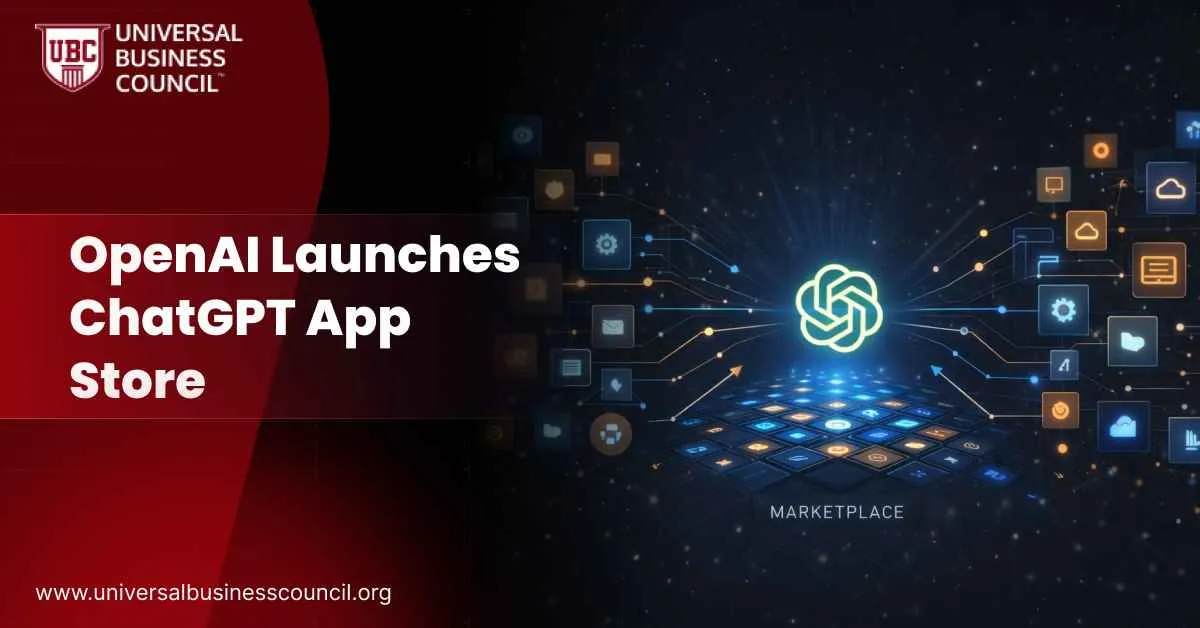 OpenAI has taken a decisive step in turning ChatGPT into more than a single AI product. With the introduction of a clearly labeled App Directory inside ChatGPT on 18 December 2025, the company has made it easier for users to browse, add, and use approved apps directly within conversations. This move completes a multi stage evolution that now resembles a two layer app ecosystem built entirely around chat.
For marketers, product leaders, and growth teams, this change matters because distribution, discovery, and customer interaction are moving into conversational spaces. Understanding how platforms like ChatGPT reshape user journeys is increasingly important, which is why many professionals follow these shifts through structured programs such as Marketing and Business Certification that focus on how technology alters go to market strategies.
This article breaks down what OpenAI launched, how the layers fit together, and why this platform direction changes the rules for users and developers alike.
OpenAI has taken a decisive step in turning ChatGPT into more than a single AI product. With the introduction of a clearly labeled App Directory inside ChatGPT on 18 December 2025, the company has made it easier for users to browse, add, and use approved apps directly within conversations. This move completes a multi stage evolution that now resembles a two layer app ecosystem built entirely around chat.
For marketers, product leaders, and growth teams, this change matters because distribution, discovery, and customer interaction are moving into conversational spaces. Understanding how platforms like ChatGPT reshape user journeys is increasingly important, which is why many professionals follow these shifts through structured programs such as Marketing and Business Certification that focus on how technology alters go to market strategies.
This article breaks down what OpenAI launched, how the layers fit together, and why this platform direction changes the rules for users and developers alike.



Leave a Reply