

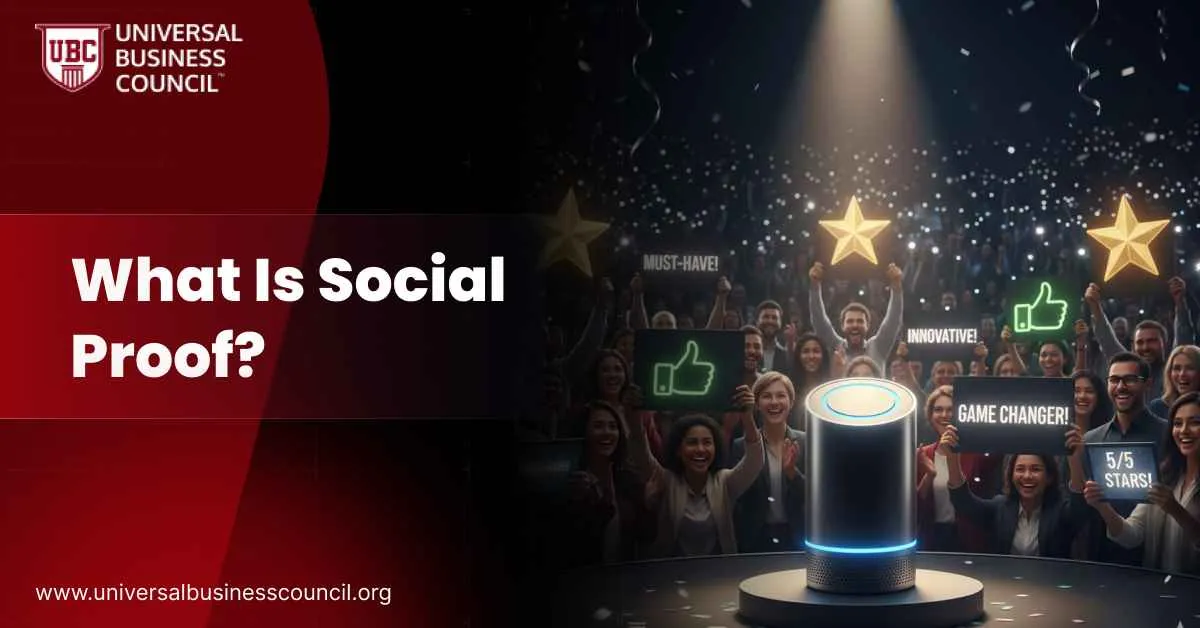
 Social proof is a concept where people copy the actions of others when they are unsure about what to do. In marketing, this means showing potential customers that others trust, buy from, or approve of your brand. When someone sees reviews, testimonials, or public support, they are more likely to trust your product or service too. That is social proof. It’s simple, powerful, and essential if you want to convert attention into action.
This article explains the different types of social proof, how it works, where to use it, and how to make it part of your brand strategy.
Social proof is a concept where people copy the actions of others when they are unsure about what to do. In marketing, this means showing potential customers that others trust, buy from, or approve of your brand. When someone sees reviews, testimonials, or public support, they are more likely to trust your product or service too. That is social proof. It’s simple, powerful, and essential if you want to convert attention into action.
This article explains the different types of social proof, how it works, where to use it, and how to make it part of your brand strategy.
Why Social Proof Works
People want to feel confident before they commit. If they see others making the same choice, it feels safer. This is especially true online, where customers can’t touch or test the product. Social proof fills that gap. It shows that others have already said yes. It also works because of trust. People trust other people more than ads. A simple review from a real customer can do more than a whole campaign. That’s why top-performing brands always include social proof in their websites, emails, and ads.Common Types of Social Proof
Customer Reviews
Reviews are the most familiar type. They help potential buyers feel more secure. Good ratings tell customers the product has worked for others. Reviews can be on your site or third-party platforms like Amazon, Google, or Yelp.Testimonials
These are direct quotes from happy customers. They can be written or in video form. Unlike reviews, they are usually selected by the brand to highlight strong outcomes.Influencer Endorsements
When an influencer supports a product, their audience listens. This adds credibility and often leads to more interest. Endorsements work best when the influencer genuinely aligns with the brand.User-Generated Content (UGC)
This includes posts, photos, or videos that customers share about your brand. It’s authentic, unpaid, and powerful. UGC makes people trust your product because it’s coming from everyday users, not marketers.Real-Time Social Signals
Live purchase popups, “X people are viewing this,” or total sales counters show popularity in action. These signals trigger a sense of urgency and reduce hesitation.Expert Approval or Press Mentions
When industry professionals or media outlets feature your brand, that builds serious credibility. “As seen in” sections with logos or awards do this well.Where to Use Social Proof
Product Pages
Add reviews, ratings, and real customer photos here. These influence decisions right before checkout.Landing Pages
Use testimonials and case studies to strengthen your offer. Add trust badges or media mentions to improve conversions.Emails and Ads
Drop in short quotes, stats, or influencer content. This makes your message more believable and relatable.Social Media
Share UGC, repost customer praise, and highlight any shoutouts. Keep it natural and focused on the user experience.Social Proof Formats and When to Use Them
| Format Type | Example | Best Placement | Impact Level |
| Customer Reviews | “4.8 stars from 1200 buyers” | Product or service pages | Very High |
| Video Testimonial | Short video clips from real users | Landing pages, ads | High |
| Influencer Post | Instagram or TikTok endorsement | Social ads, website embeds | High |
| UGC Gallery | Grid of real customer photos | Product detail pages | Moderate to High |
| Trust Badges | “As seen in” or certification logos | Homepage or checkout | Moderate |
| Purchase Counters | “Over 10,000 sold” or “Trending now” | Website banners or popups | Moderate |
Benefits of Social Proof
| Benefit | Description | Who It Helps Most |
| Builds Trust | Makes new visitors feel more confident | First-time customers |
| Increases Conversions | More users complete a purchase or sign-up | Ecommerce, lead gen sites |
| Reduces Abandonment | Helps overcome hesitation before checkout | Online stores |
| Improves Ad Performance | Makes ads more believable and relatable | Paid campaigns and retargeting |
| Enhances Brand Image | Shows you are used and trusted by others | New or growing brands |
Mistakes to Avoid
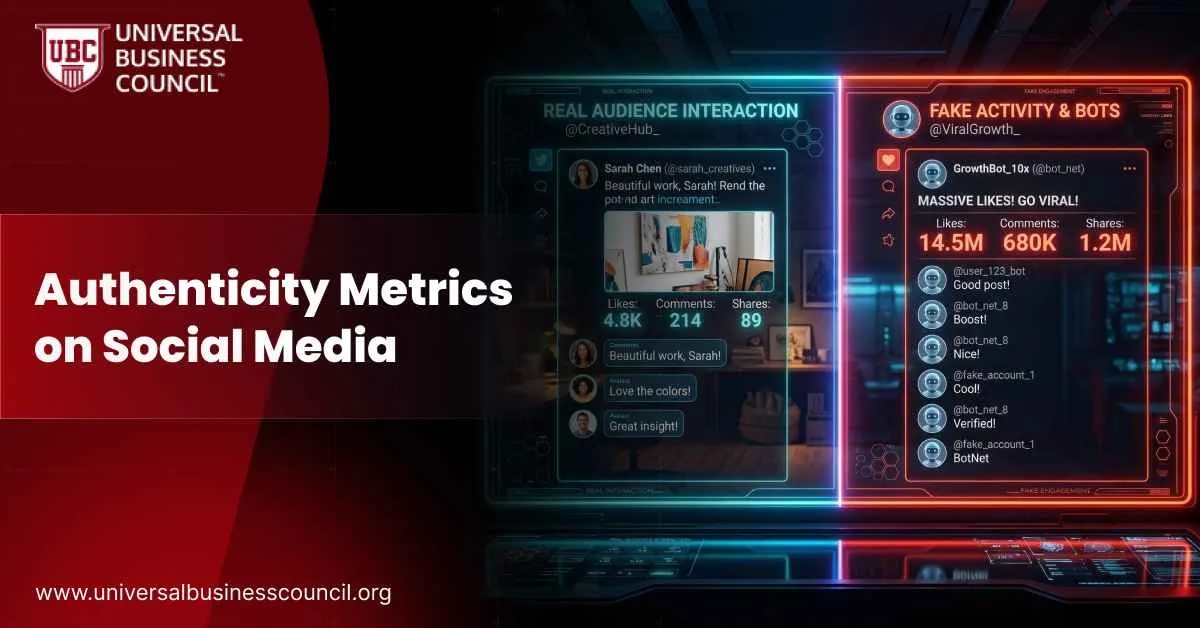
- Using fake reviews or bots. It destroys trust.
- Ignoring negative feedback. Respond instead of hiding.
- Showing irrelevant social proof that doesn’t match the offer.
- Outdated testimonials. Keep content fresh.
- Overloading pages with too many proof types. Keep it focused.




Leave a Reply