

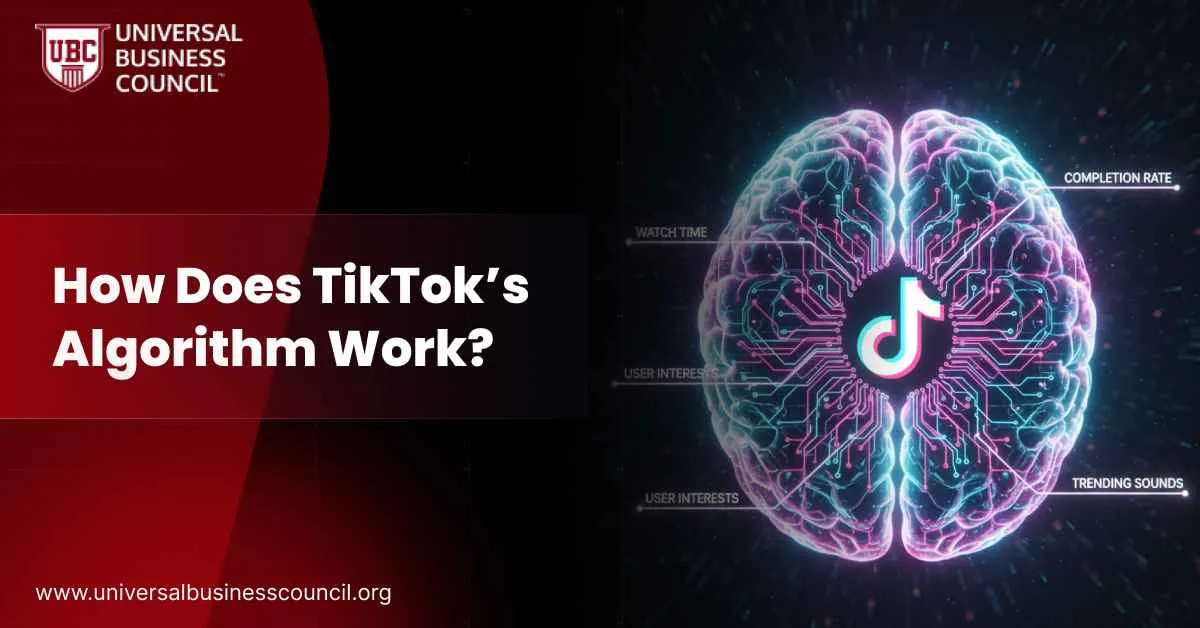
 TikTok’s algorithm decides which videos appear on your For You Page. It studies what you watch, how long you watch it, and how you interact with content. The goal is to show you the clips you are most likely to enjoy, not just from accounts you follow but from all over the platform. This makes TikTok unique compared to other social media apps. The algorithm builds a personal feed for every user, which is why no two feeds look exactly the same.
Marketers and creators need to understand this system if they want their videos to get seen. Many professionals also choose an Instagram Certification to learn how to manage short video strategies across multiple platforms. Skills in video optimization, audience engagement, and analytics are now crucial to compete in the fast-paced world of TikTok and beyond.
TikTok’s algorithm decides which videos appear on your For You Page. It studies what you watch, how long you watch it, and how you interact with content. The goal is to show you the clips you are most likely to enjoy, not just from accounts you follow but from all over the platform. This makes TikTok unique compared to other social media apps. The algorithm builds a personal feed for every user, which is why no two feeds look exactly the same.
Marketers and creators need to understand this system if they want their videos to get seen. Many professionals also choose an Instagram Certification to learn how to manage short video strategies across multiple platforms. Skills in video optimization, audience engagement, and analytics are now crucial to compete in the fast-paced world of TikTok and beyond.
Key Factors Behind TikTok’s Recommendations
TikTok uses several signals to decide what content to push. The most important factor is how you interact with videos. If you like, comment, share, or watch a clip more than once, TikTok takes it as a sign that you are interested. Another factor is video information. Captions, hashtags, sounds, and effects help TikTok’s system understand the topic and category of the clip. This allows the algorithm to match videos with people who have shown interest in similar content. Finally, account and device settings also play a role. Language preference, device type, and location settings influence which videos appear on your feed. While these signals are less powerful than direct engagement, they still shape recommendations.The Role of Early Testing
When a new video is uploaded, TikTok first shows it to a small test group of users. If the video performs well with that group, it gets pushed to larger audiences. Performance is measured by completion rate, replays, shares, and comments. Videos that keep people watching are most likely to go viral. This explains why some accounts with few followers can suddenly reach millions of views. The algorithm focuses more on content quality and engagement than follower counts.TikTok Algorithm Ranking Signals
| Signal | Explanation | Why It Matters |
| User Interactions | Likes, shares, comments, follows, watch time | Directly shows what people enjoy |
| Video Information | Captions, sounds, hashtags, keywords | Helps TikTok classify and recommend videos |
| Device and Account Settings | Language, device, location preferences | Adjusts feed for user context |
| Early Testing | Shows video to small group first | Strong early results lead to viral reach |
How TikTok Learns Quickly
TikTok’s format of short videos makes it easier for the system to learn about user behavior. Unlike platforms that rely on long watch histories, TikTok collects data within seconds. Each skip or rewatch teaches the system about your preferences. This speed of learning helps TikTok refine recommendations in real time. The algorithm also mixes videos you are likely to enjoy with new or exploratory content. This balance keeps feeds fresh and avoids becoming repetitive.Risks of the TikTok Algorithm
The algorithm is very sensitive. Even small interactions can lead to being shown more of the same type of content. This creates the risk of filter bubbles. For example, liking one video on fitness may fill your feed with health and workout clips. There are also concerns about exposure to harmful or biased content. Because TikTok optimizes for engagement, it sometimes amplifies extreme or sensational material. Governments and researchers are studying how this impacts mental health and political views. Legal cases have also raised questions. In the United States, the case of Anderson v. TikTok showed that recommendation systems may not always be protected from liability. This highlights the importance of ethical design in algorithms.Challenges in TikTok’s Algorithm
| Challenge | Impact | Solution |
| Filter Bubbles | Users see only narrow content types | Mix in diverse or new content |
| Harmful Content | Risk of exposure to extreme material | Stronger moderation and reporting |
| Copyright Issues | Music and clips may be misused | Licensing and content ID tools |
| Legal Risks | Algorithms can face liability in courts | Transparent policies and compliance |





Leave a Reply