

How Does TikTok’s Algorithm Work?

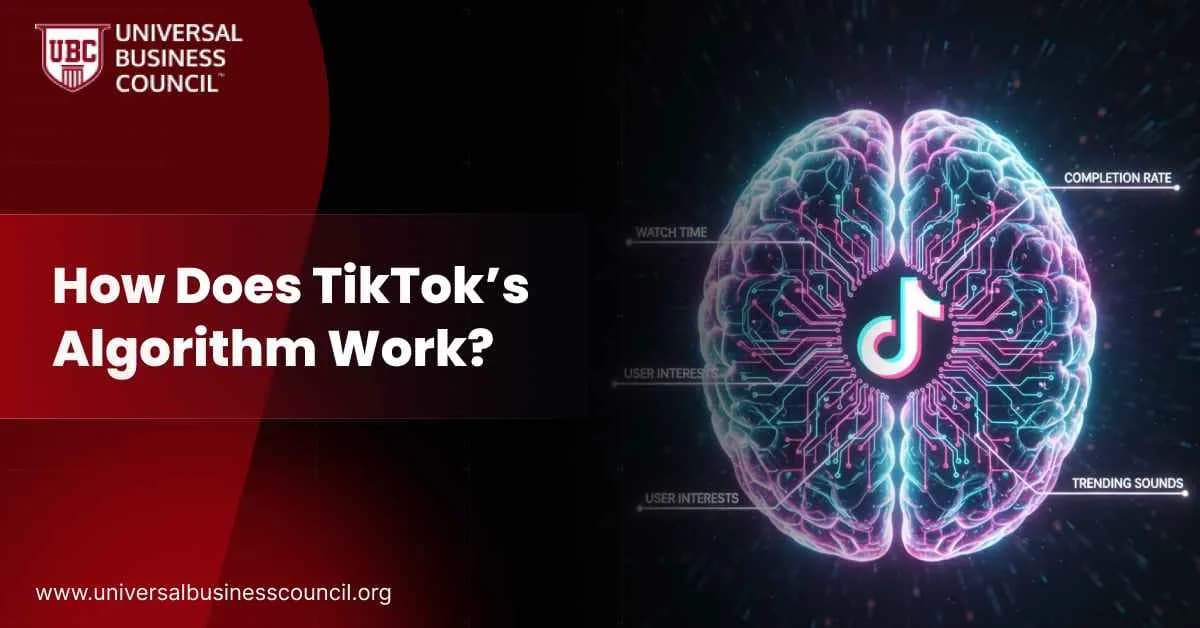
Key Factors Behind TikTok’s Recommendations
TikTok uses several signals to decide what content to push. The most important factor is how you interact with videos. If you like, comment, share, or watch a clip more than once, TikTok takes it as a sign that you are interested. Another factor is video information. Captions, hashtags, sounds, and effects help TikTok’s system understand the topic and category of the clip. This allows the algorithm to match videos with people who have shown interest in similar content. Finally, account and device settings also play a role. Language preference, device type, and location settings influence which videos appear on your feed. While these signals are less powerful than direct engagement, they still shape recommendations.The Role of Early Testing
When a new video is uploaded, TikTok first shows it to a small test group of users. If the video performs well with that group, it gets pushed to larger audiences. Performance is measured by completion rate, replays, shares, and comments. Videos that keep people watching are most likely to go viral. This explains why some accounts with few followers can suddenly reach millions of views. The algorithm focuses more on content quality and engagement than follower counts.TikTok Algorithm Ranking Signals
| Signal | Explanation | Why It Matters |
| User Interactions | Likes, shares, comments, follows, watch time | Directly shows what people enjoy |
| Video Information | Captions, sounds, hashtags, keywords | Helps TikTok classify and recommend videos |
| Device and Account Settings | Language, device, location preferences | Adjusts feed for user context |
| Early Testing | Shows video to small group first | Strong early results lead to viral reach |
How TikTok Learns Quickly
TikTok’s format of short videos makes it easier for the system to learn about user behavior. Unlike platforms that rely on long watch histories, TikTok collects data within seconds. Each skip or rewatch teaches the system about your preferences. This speed of learning helps TikTok refine recommendations in real time. The algorithm also mixes videos you are likely to enjoy with new or exploratory content. This balance keeps feeds fresh and avoids becoming repetitive.Risks of the TikTok Algorithm
The algorithm is very sensitive. Even small interactions can lead to being shown more of the same type of content. This creates the risk of filter bubbles. For example, liking one video on fitness may fill your feed with health and workout clips. There are also concerns about exposure to harmful or biased content. Because TikTok optimizes for engagement, it sometimes amplifies extreme or sensational material. Governments and researchers are studying how this impacts mental health and political views. Legal cases have also raised questions. In the United States, the case of Anderson v. TikTok showed that recommendation systems may not always be protected from liability. This highlights the importance of ethical design in algorithms.Challenges in TikTok’s Algorithm
| Challenge | Impact | Solution |
| Filter Bubbles | Users see only narrow content types | Mix in diverse or new content |
| Harmful Content | Risk of exposure to extreme material | Stronger moderation and reporting |
| Copyright Issues | Music and clips may be misused | Licensing and content ID tools |
| Legal Risks | Algorithms can face liability in courts | Transparent policies and compliance |
How Creators Can Succeed with the Algorithm
To succeed, creators need to focus on content that captures attention in the first few seconds. Hooking the viewer early improves completion rates, which is a strong signal for TikTok. Adding clear captions, trending sounds, and relevant hashtags also improves discoverability. Engagement is another key. Asking questions, encouraging comments, or prompting viewers to share can boost visibility. Consistency matters too. Posting regularly helps the algorithm learn about your style and audience.Why Marketers Should Pay Attention
For marketers, understanding the algorithm is critical. TikTok is no longer just entertainment. It is also a major advertising channel. Campaigns that blend authentic UGC with well-planned creative strategies perform better than polished ads alone. Professionals looking to build expertise in data-driven campaigns should consider advanced training. A Data Science Certification helps marketers measure algorithm impact with accuracy. Those leading digital teams can benefit from a Marketing and Business Certification to design effective cross-platform campaigns. And for those exploring deeper technology, a Deep tech certification visit the Blockchain Council provides knowledge in advanced tools that shape the future of marketing.Conclusion
TikTok’s algorithm is one of the most advanced recommendation systems in social media. It works by combining user interactions, video details, device data, and early performance testing. The result is a highly personalized feed that keeps users engaged. For creators, success comes from making content that captures attention quickly and encourages interaction. For marketers, TikTok offers huge opportunities, but it also requires a clear understanding of how the algorithm functions. With the right strategies and certifications, professionals can use TikTok not only to grow audiences but also to build lasting business impact.Related Articles
View All
Artificial Intelligence
How Does Jev AI Work?
Learn how Jev AI works by turning structured program state and questions into fast, typed decisions with calibrated probabilities and confidence scores for software automation.

Artificial Intelligence
What Is Jev Typesafe's AI Model and How Does It Work?
Learn what Jev is, how TypeSafe AI’s System One model works, and how it uses typed outputs, calibrated probabilities, and fast decision-making for software automation.

Artificial Intelligence
Gemini 4 Argon: Features, Pricing, and Availability
Gemini 4 Argon is Google’s new flagship AI model for coding, science, finance, law and security. See its main features, API and subscription pricing, and where you can access it today.
Trending Articles
The Role of Blockchain in Ethical AI Development
How blockchain technology is being used to promote transparency and accountability in artificial intelligence systems.
AWS Career Roadmap
A step-by-step guide to building a successful career in Amazon Web Services cloud computing.
Top 5 DeFi Platforms
Explore the leading decentralized finance platforms and what makes each one unique in the evolving DeFi landscape.