

Research & Knowledge Hub
1,542+ research articles, technical guides, and in-depth analyses authored by council members and industry experts.
Latest Articles
1,542 articles
Certified Responsible AI Expert™: Course Overview, Learning Outcomes and Who Should Enrol
Explore the Certified Responsible AI Expert™ course, including its curriculum, key learning outcomes, and intended audience. Discover the skills and knowledge learners can gain in AI ethics, governance, risk management, compliance, and responsible AI implementation.
What Is a Responsible AI Certification?
Discover what a Responsible AI certification is and how it can help professionals build expertise in ethical and trustworthy AI practices. Explore its benefits, essential skills, career opportunities, and how certification can support growth in AI ethics, governance, risk management, and compliance.

How to Become a Responsible AI Expert: Skills, Learning Path and Certification
Learn how to become a Responsible AI expert with a clear learning path covering essential skills, relevant qualifications, and industry certifications. Explore how to build expertise in AI ethics, governance, risk management, compliance, and responsible AI practices.

Responsible AI Careers: Roles, Skills, Qualifications and Career Paths
Explore career opportunities in responsible AI and discover the roles, skills, and qualifications needed to work in this growing field. Learn about career paths in AI ethics, governance, risk management, compliance, and responsible AI implementation.
Responsible AI Checklist for AI Developers, Data Scientists and Product Managers
Use this Responsible AI Checklist to evaluate how your organization develops, deploys, and manages AI systems. Explore key considerations for fairness, transparency, accountability, data privacy, security, risk management, and human oversight to support safer and more trustworthy AI adoption.
Responsible AI KPIs: How to Measure Fairness, Transparency and Trust
Learn how to measure responsible AI performance using key performance indicators (KPIs). Explore the metrics organizations can use to track AI fairness, transparency, accountability, privacy, safety, and compliance while evaluating AI systems and strengthening responsible AI practices.
Responsible AI Tools and Frameworks Every AI Professional Should Know
Explore the tools and frameworks that help organizations put responsible AI principles into practice. Learn how AI governance platforms, risk assessment methods, auditing tools, and industry frameworks support fairness, transparency, accountability, and safer AI adoption.
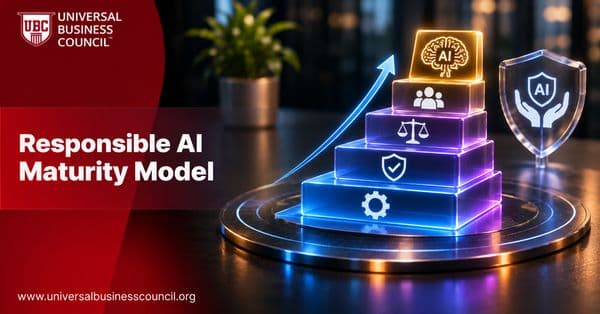
Responsible AI Maturity Model: How to Assess Your Organization's Readiness
Explore the Responsible AI Maturity Model and how organizations can assess their progress toward ethical, transparent, and accountable AI adoption. Learn about key maturity levels, assessment criteria, governance practices, and the steps needed to strengthen responsible AI capabilities.
How to Implement Responsible AI in an Organization: A Step-by-Step Guide
Learn how to implement responsible AI in your organization with a practical, step-by-step approach. Explore how to establish AI policies, assess risks, promote fairness, protect data privacy, ensure transparency, and maintain human oversight throughout the AI lifecycle.

How to set up OpenAI dots for your team: an admin guide to enabling and rolling out dots
Learn how to set up OpenAI dots for your team, configure workspace permissions, connect apps, and manage access. This guide covers the key setup steps, admin controls, security considerations, and best practices for using AI agents in your organization.

Responsible AI in Cybersecurity: Balancing AI Innovation, Privacy and Security
Discover how responsible AI can strengthen cybersecurity while protecting privacy and maintaining trust. Explore how organizations can use AI for threat detection, fraud prevention, and incident response while addressing risks such as data exposure, algorithmic bias, and automated security decisions.
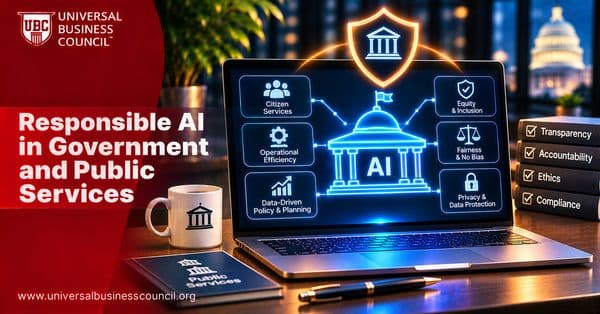
Responsible AI in Government and Public Services: Opportunities and Risks
Explore how responsible AI can improve government operations and public services through faster processes, better resource allocation, and data-driven decisions. Learn about the opportunities, risks, and ethical challenges of using AI while protecting citizen privacy, ensuring fairness, and maintaining transparency and accountability.