

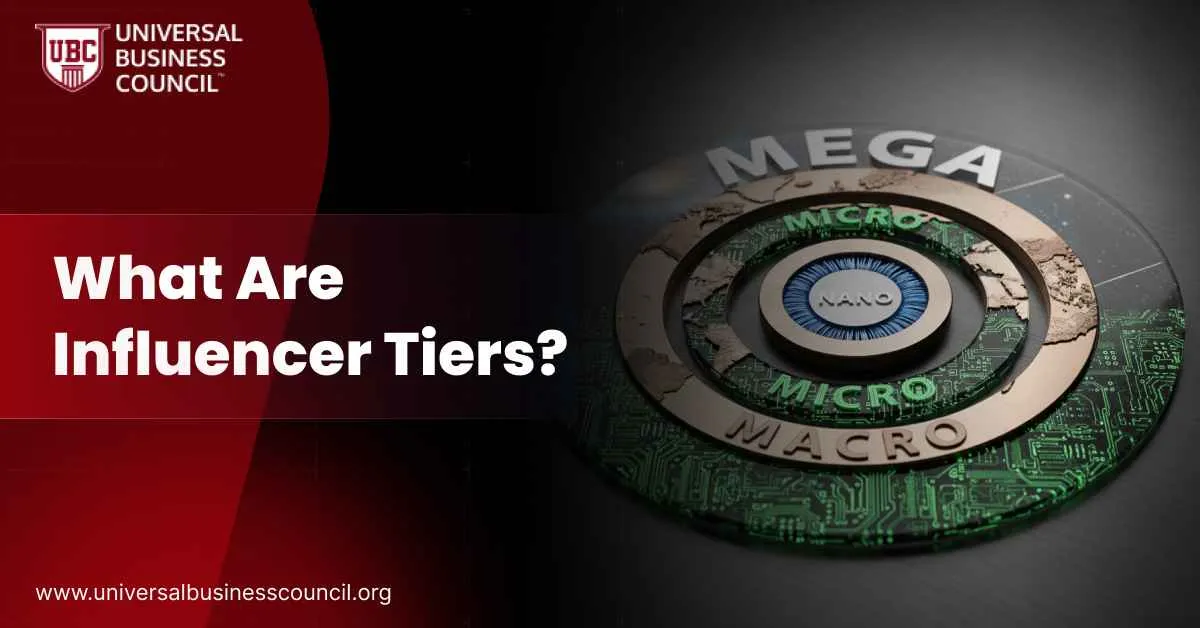
 Influencer tiers are categories that classify creators based on their follower count and reach. These tiers help brands and marketers decide which influencers are best for specific goals—like boosting awareness, increasing engagement, or driving conversions. Whether you’re running a global campaign or targeting a niche community, choosing the right influencer tier can make or break your results.
This article breaks down the five main influencer tiers, what makes each one unique, and how to choose the right fit for your marketing goals in 2025.
Influencer tiers are categories that classify creators based on their follower count and reach. These tiers help brands and marketers decide which influencers are best for specific goals—like boosting awareness, increasing engagement, or driving conversions. Whether you’re running a global campaign or targeting a niche community, choosing the right influencer tier can make or break your results.
This article breaks down the five main influencer tiers, what makes each one unique, and how to choose the right fit for your marketing goals in 2025.
Types of Influencer Tiers by Follower Count
Influencers are usually divided into five tiers. Each one has a different follower range and value depending on campaign size, budget, and engagement goals.Nano-Influencers (1K–10K Followers)
Nano-influencers have small, tight-knit audiences. Their content often feels very personal. Engagement rates are usually the highest in this tier. Brands often work with them in exchange for products or small payments. Nano-influencers are great for local or community-based campaigns.Micro-Influencers (10K–100K Followers)
Micro-influencers balance reach with strong engagement. Their followers trust their opinions, especially in niche areas like skincare, gaming, or travel. They are popular with brands that want ROI from authentic engagement. Micro-tier creators often collaborate through fixed rates or performance-based deals.Mid-Tier Influencers (50K–250K or up to 500K Followers)
This group offers a strong middle ground. They have a wider audience than micro-influencers but still keep some authenticity. They’re ideal for multi-platform promotions and long-form storytelling. Engagement is slightly lower but still higher than celebrities.Macro-Influencers (100K–1M Followers)
Macro-influencers are established content creators with polished branding. They often have professional equipment, teams, or agency backing. These influencers help brands gain fast visibility. They are suited for big product launches or national campaigns.Mega-Influencers (1M+ Followers)
Mega-influencers include celebrities, internet personalities, or well-known creators. They offer massive reach. But engagement rates tend to be lower. These influencers are ideal when your goal is to be seen by millions quickly. They are also the most expensive to hire.Use Cases for Each Influencer Tier
| Influencer Tier | Follower Range | Best For | Engagement Level |
| Nano | 1K–10K | Community-driven brand campaigns | Very High |
| Micro | 10K–100K | Niche product promotions | High |
| Mid-Tier | 50K–250K/500K | Storytelling, multi-platform use | Moderate to High |
| Macro | 100K–1M | Fast brand awareness | Moderate |
| Mega | 1M+ | Global exposure and recognition | Lower per follower |
Why Influencer Tiers Matter in Marketing
Each tier serves a different role in influencer marketing. Smaller tiers are trusted and budget-friendly. Larger ones bring scale and reach. Knowing when and how to use them gives brands more control over spend, targeting, and message delivery. For example, an emerging skincare brand might choose nano and micro-influencers for product seeding. A tech company launching a global gadget may prefer macro or mega-influencers to grab attention quickly.Influencer Tiers and Their Typical Pricing Models
Influencer fees can vary widely, but some trends are consistent. Nano-influencers are often cost-effective. Micro and mid-tier influencers give good ROI due to their strong engagement. Mega-influencers charge premium rates, but their cost per engagement is usually higher.| Tier | Typical Cost Range | ROI Potential | Notes |
| Nano | Free or under $100 | High | May work in exchange for product |
| Micro | $100–$5000+ per post | Very High | Ideal for performance marketing |
| Mid-Tier | $1000–$10,000+ per campaign | Moderate to High | Strong for longer collaborations |
| Macro | $5,000–$25,000+ per post | High reach, moderate ROI | Best for fast exposure |
| Mega | $25,000+ to $1M+ | High visibility, lower ROI | Costly, suited for brand building |






Leave a Reply