Sports marketing in 2026 looks very different from even two years ago. Fans are still deeply connected to teams and athletes, but they are no longer concentrated in one place. They move between streaming platforms, short form social, team owned channels, live events, and betting adjacent experiences. That shift has forced brands to rethink how they spend, how they measure success, and what kind of partnerships truly deliver value.The result is a more disciplined, performance driven approach to sports marketing. Many leaders now approach it less as sponsorship buying and more as a growth function. That mindset is why structured learning around execution and outcomes, such asMarketing and Business Certification, is increasingly relevant for people working at the intersection of sports, media, and brand strategy.Below is a clear snapshot of what is driving sports marketing today and the playbooks that are working right now.
Streaming changes the scorecard
Streaming has fundamentally changed how sponsorship value is calculated.Reach alone is no longer enough. Brands want to know how long fans pay attention, what they do next, and whether exposure leads to measurable action. Time spent, engagement depth, and conversion signals now sit alongside traditional impressions.For teams and leagues, this means sponsorship packages need to include digital components that can be tracked. For brands, it means asking better questions about outcomes, not just visibility.
Big events pull budgets early
Major global events in 2026 are pulling marketing budgets forward.Instead of spreading spend evenly across the year, brands are locking in inventory early around tentpole moments. Streaming has amplified this effect because these events now come with strong digital extensions, not just broadcast exposure.This creates pressure for smaller teams and leagues, but it also creates opportunity. Brands that miss premium inventory still look for adjacent moments, companion content, and audience spillover around big events.
Athlete marketing becomes safer spend
As media fragments, recognizable faces matter more.Athletes cut through clutter because fans already trust them. That reliability makes athlete partnerships feel safer to senior marketers who need predictable returns. As a result, athlete marketing has become more expensive but also more structured.The strongest campaigns treat athletes as creators, not billboards. One shoot is designed to produce long form content, short clips, behind the scenes moments, and repeatable formats that can live across platforms for weeks.
Women’s sports become core strategy
Women’s sports are no longer treated as experimental.Audience growth, cultural relevance, and engagement quality have turned women’s leagues into serious sponsorship opportunities. Brands increasingly see these partnerships as long term plays rather than one off campaigns.What matters most is alignment. Brands that win here invest in storytelling, community, and continuity rather than parachuting in for a single moment.
Betting and data drive new formats
Sports betting and official data have become part of the marketing ecosystem.Live stats, trackers, and real time updates create new inventory that sits alongside traditional content. This has pushed more second screen experiences and interactive formats into sports marketing.The key is balance. The most effective campaigns use data to enhance storytelling, not to overwhelm fans or narrow the audience to bettors only.
NIL becomes more professional
Name, image, and likeness deals in college sports have matured.What started as fast moving experimentation is now a more regulated, documented process. Brands are expected to be clear about deliverables, timelines, and compliance.For marketers, NIL now feels closer to professional talent management than influencer gifting. The upside is clarity. The downside is that shortcuts no longer work.
Fan growth channels that perform
In 2026, fan growth comes from a few consistent channels.Short form social remains the strongest discovery engine, especially athlete led and behind the scenes content. Direct to fan channels like team apps, memberships, SMS, and email matter more because they reduce platform dependence. Streaming activations work best when they feel interactive rather than interruptive.The common thread is authenticity and continuity. One off posts rarely move the needle anymore.
Sponsorship formats that beat logos
Passive logo exposure underperforms on its own.Formats that work better include content series sponsorships, data powered segments, and community collaborations that pair athletes with creators. These formats feel native to how fans consume content today.They also generate assets that brands can reuse across channels, improving efficiency and consistency.
Measurement becomes stricter
Measurement in sports marketing has tightened.Teams and brands now look closely at attention, incremental lift, audience growth, and retention. Media value alone is no longer enough. Sponsors want proof that partnerships contribute to real business outcomes.This shift pushes teams to invest in better analytics, cleaner reporting, and clearer attribution.
Technology underpins execution
As sports marketing becomes more digital, execution depends on systems.Content operations, data tracking, fan platforms, and partner reporting all require reliable technical foundations. Teams that struggle here often feel slow and reactive. Teams that invest in systems move faster with fewer errors.That is why more organizations now connect sports marketing roles with technology fluency and pursue structured paths likeTech certification to strengthen internal capability.
Market size keeps growing
Despite budget scrutiny, sports sponsorship continues to grow overall.Growth is steady rather than explosive, but the direction is consistent. Brands still value sports because live moments, cultural relevance, and emotional connection remain hard to replicate elsewhere.What has changed is the expectation of accountability.
What comes next
The next phase of sports marketing is not about louder campaigns. It is about better systems.Winning teams in 2026 build repeatable content engines, sponsorship packages tied to performance, and measurement both sides trust. They also invest in governance around talent, rights, and data.As AI, automation, and personalization spread deeper into content production and fan engagement, understanding how trust, data, and systems interact becomes more important. That is why some leaders also explore deeper system level education through organizations like theBlockchain Council when sports marketing becomes part of a larger digital ecosystem.
Final view
Sports marketing in 2026 rewards discipline.The teams and brands that win are not chasing every platform or trend. They are building clear strategies, measurable partnerships, and repeatable execution. They understand that attention is earned, not bought, and that proof matters more than promises.If you treat sports marketing like a growth function instead of a branding line item, the results follow.


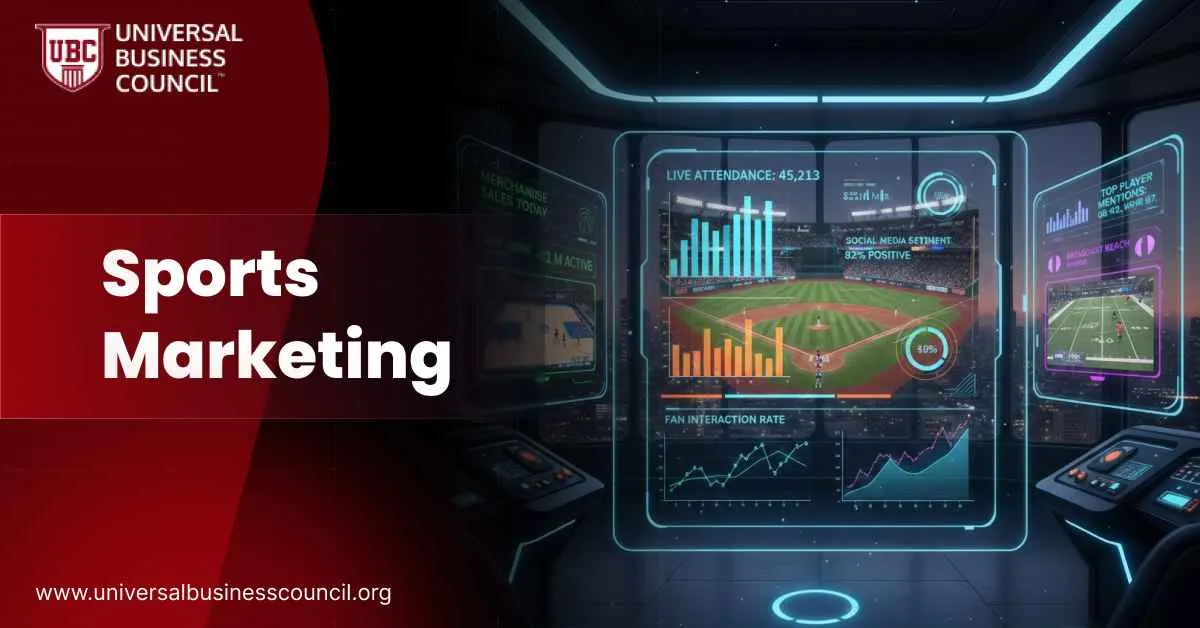 Sports marketing in 2026 looks very different from even two years ago. Fans are still deeply connected to teams and athletes, but they are no longer concentrated in one place. They move between streaming platforms, short form social, team owned channels, live events, and betting adjacent experiences. That shift has forced brands to rethink how they spend, how they measure success, and what kind of partnerships truly deliver value.
The result is a more disciplined, performance driven approach to sports marketing. Many leaders now approach it less as sponsorship buying and more as a growth function. That mindset is why structured learning around execution and outcomes, such as Marketing and Business Certification, is increasingly relevant for people working at the intersection of sports, media, and brand strategy.
Below is a clear snapshot of what is driving sports marketing today and the playbooks that are working right now.
Sports marketing in 2026 looks very different from even two years ago. Fans are still deeply connected to teams and athletes, but they are no longer concentrated in one place. They move between streaming platforms, short form social, team owned channels, live events, and betting adjacent experiences. That shift has forced brands to rethink how they spend, how they measure success, and what kind of partnerships truly deliver value.
The result is a more disciplined, performance driven approach to sports marketing. Many leaders now approach it less as sponsorship buying and more as a growth function. That mindset is why structured learning around execution and outcomes, such as Marketing and Business Certification, is increasingly relevant for people working at the intersection of sports, media, and brand strategy.
Below is a clear snapshot of what is driving sports marketing today and the playbooks that are working right now.




Leave a Reply