

CBP Rules: How to Keep Shipments Moving
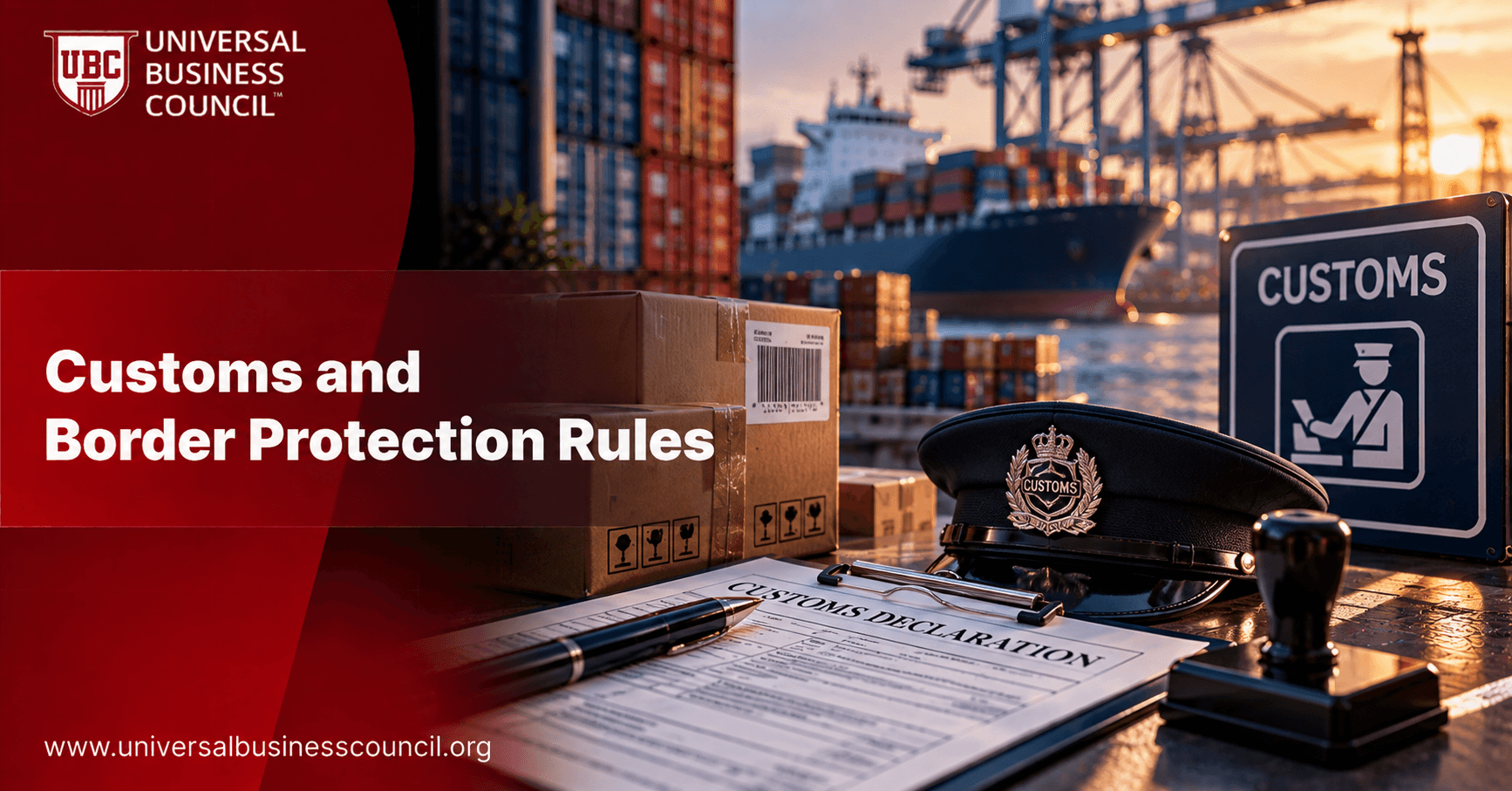
A container of finished goods arrives at a US port. The entry paperwork describes the product as "accessories." CBP asks for more detail, then holds the shipment while it waits for an answer. Storage fees pile up, the sales team waits for stock and the customer emails twice a day.
The goods were fine. The paperwork wasn't. For compliance professionals looking to strengthen their understanding of customs requirements and import compliance, the Certified Compliance Professional certification can provide a useful foundation. This post walks through Customs and Border Protection rules, what importers are responsible for and how to build habits that keep shipments moving.

What are Customs and Border Protection (CBP) rules?
Customs and Border Protection rules are the requirements set by US Customs and Border Protection, the federal agency that controls what enters the country. They cover who may import, what documents must be filed, how goods are classified and valued, what duties are owed, how products are marked and how long records must be kept.
CBP and other agencies
CBP also enforces rules on behalf of other agencies, such as those covering food, plants, consumer products and wildlife. A shipment can satisfy customs and still be held because another agency's requirements weren't met.
Why the importer carries the risk
The legal responsibility for an import sits with the importer of record, and it doesn't transfer to a broker, a freight forwarder or a supplier. US law expects importers to use reasonable care when they enter goods: classifying them correctly, valuing them honestly and keeping accurate records. Mistakes can lead to delays, extra duties, penalties and audits, and penalties generally rise with the level of carelessness or intent.
There's a commercial side too. A held shipment means late deliveries, storage and demurrage charges and unhappy customers. Getting the rules right is a supply chain decision as much as a legal one.
What a solid CBP compliance program covers
Most import problems trace back to a handful of data points that were wrong, vague or missing. A solid program controls each one.
Importer of record and bonds
Decide who the importer of record is for each shipment, and make sure a customs bond is in place where one is required. The importer of record is the party CBP will hold accountable.
Classification
Every product gets a code under the Harmonized Tariff Schedule of the United States, and that code drives the duty rate and any other agency's requirements. If a code is unclear, CBP can issue a binding ruling in advance.
Valuation
Duties are usually based on the transaction value, meaning the price paid or payable plus certain additions such as royalties, commissions and assists. Leaving those additions out can undervalue a shipment by accident.
Country of origin and marking
Imported articles generally must be marked with their country of origin, in a visible and permanent way. Origin also decides which duties apply, so it needs to be worked out from where the goods were made or substantially transformed. The port they shipped from doesn't decide it.
Trade agreements and duty programs
Free trade agreements and duty programs can lower or remove duties, but only if you can show the goods qualify. Keep the supplier declarations and production records that prove it.
Security filings
For ocean cargo bound for the US, the Importer Security Filing, often called ISF or 10+2, is generally due at least 24 hours before the cargo is loaded on the vessel. Late or inaccurate filings can draw penalties.
Restricted and prohibited goods
Some goods need permits, and some can't enter at all. That includes products linked to forced labor, which US law prohibits. Know your supply chain well enough to answer questions about where the materials came from.
Recordkeeping
Importers must generally keep entry records for five years from the date of entry, and produce them when CBP asks. That covers invoices, packing lists, purchase orders, payment records and classification and origin support.
Working with a customs broker
A licensed customs broker files entries and deals with CBP on your behalf, and a good one is worth the fee. The catch is that you're still responsible for what's filed in your name. Give the broker complete, accurate product data, review sample entries and ask questions when something looks off. A broker can only work with the information they're given.
Questions worth asking before you sign:
how they confirm classification for new products
how they check declared value
how they handle corrections after entry
how quickly they pass on CBP questions
Where marketing copy meets the customs entry
Product descriptions written for a website can differ from what's on the customs paperwork. A marketing team calls an item a "smart wellness band," the entry says "electronic accessory" and the classification suddenly looks questionable. Marketing and trade teams should share the same product data, including materials, function and country of origin. Claims about where a product is made also need to line up with the marking and the origin on file.
Teams that understand how product content, audiences and measurement fit together find these mismatches sooner. The Digital Marketing Course from Universal Business Council is one place for marketers to build that grounding.
Training the people who touch the data
Purchasing sets up suppliers, logistics books freight, finance pays invoices and marketing writes descriptions. Each touches data CBP will eventually see. A short annual session for each team, focused on the mistakes that team can make, tends to land better than a generic slide deck. Add a one-page guide on who to ask when a product is new.
Data, systems and ACE
CBP runs its filing and reporting through the Automated Commercial Environment, known as ACE. Importers and brokers can use it to file entries, track shipments and pull reports on their own import activity. The quality of what comes out depends on what goes in, so product master data needs to be clean and linked between your ERP system and your broker's. Trade compliance teams increasingly need enough technical understanding to work with IT on those integrations, and the Tech Certifications from Global Tech Council are one way to build it.
Proving where your goods came from
When CBP asks about origin, forced labor or value, the answer is a chain of documents from raw material to the port. Digital traceability tools can hold that chain in one place, and blockchain-based records are one way to make supplier documents tamper-evident. Curious how that works in practice? Have a look at Deep Tech Certifications. Whatever the tool, ask suppliers for origin and production records at the start, not when a question has already arrived.
Audits, penalties and what triggers scrutiny
CBP can review past entries long after the goods cleared, and it can ask for the records behind them. Penalties under US customs law generally depend on the level of fault: negligence, gross negligence or fraud. If you discover an error yourself, a prior disclosure filed before CBP starts an investigation can reduce the penalty exposure. Examples of what tends to raise questions:
vague or inconsistent product descriptions
values that look low for the goods
missing or incorrect origin marking
documents that don't agree with each other
frequent corrections to the same entries
Fixing the pattern is better than fixing each entry one by one.
Two importers, one held container
Two importers bring in near-identical shipments of kitchenware. Importer A has a product data sheet for every item, with materials, function, value adjustments and origin evidence, and the broker files from it. Importer B sends the broker a one-line invoice description. CBP asks both for more information. Importer A answers in a day. Importer B spends two weeks hunting for supplier documents while storage charges build.
Where CBP compliance programs go wrong
Patterns repeat:
relying on the broker to know the product
copying last year's classification without rechecking
claiming duty benefits without the supporting documents
keeping records in one person's inbox
ignoring rule changes until a shipment is held
Staying current as rules shift
Tariff rates, trade programs and exemptions have changed often in recent years, so last quarter's assumptions can be wrong today. Subscribe to CBP's official notices, follow your broker's updates and assign someone to check them weekly. When something changes, work through the affected products and update the data before the next shipment, not after.
Who owns CBP compliance?
Import compliance crosses purchasing, logistics, finance, legal and marketing, so it needs one accountable owner. That person keeps the product data current, reviews entries, tracks rule changes, manages the broker and briefs leadership.
Before your next shipment: a short checklist
Not sure where you stand? Work through this list:
Confirm who the importer of record is and that a bond is in place.
Check that every product has a documented classification.
Verify the declared value includes all required additions.
Confirm origin and marking for each item.
Make sure the ISF is filed on time, where it applies.
Store the supporting records in one place, with a five-year retention date.
Conclusion
Customs and Border Protection rules come down to accurate information, filed on time and backed by records. Know who the importer of record is, classify and value each product with care, work out origin and marking properly and file security data before cargo loads. Keep proof of every claim for five years, and know your supply chain well enough to answer hard questions.
Give the program one owner, keep product data shared between purchasing, logistics and marketing, and check for rule changes every week. Use your broker well without handing over responsibility. Do that, and CBP rules stop being a source of surprise holds and become a set of habits that keep goods moving.
FAQs
1. What are Customs and Border Protection (CBP) rules?
Requirements set by US Customs and Border Protection on what enters the country and how it's documented, valued, marked and recorded.
2. Who is the importer of record?
The party responsible for filing an entry accurately and paying the duties owed.
3. Does hiring a customs broker shift the responsibility?
No. A broker files on your behalf, but you remain responsible for what's filed in your name.
4. What is reasonable care?
The standard US law sets for importers: classify, value and declare goods correctly and keep accurate records.
5. What is a customs bond?
A financial guarantee, usually from a surety, that duties and other charges will be paid.
6. What is the Harmonized Tariff Schedule?
The classification system that assigns each product a code, which drives duty rates and other requirements.
7. Can I get a ruling on classification before I import?
Yes. CBP issues binding rulings on matters such as classification and origin, on request.
8. How is customs value determined?
Usually by transaction value: the price paid or payable, plus certain additions such as royalties, commissions and assists.
9. What is country of origin marking?
A requirement that imported articles show their country of origin in a visible, permanent way, with limited exceptions.
10. What is an ISF?
The Importer Security Filing, or 10+2, filed for ocean cargo generally at least 24 hours before it's loaded on the vessel.
11. What is ACE?
CBP's Automated Commercial Environment, the electronic system used to file entries and manage trade data.
12. How long must import records be kept?
Generally five years from the date of entry.
13. What is a prior disclosure?
A voluntary report of an error made to CBP before it starts an investigation, which can reduce penalty exposure.
14. What penalties can apply?
Penalties depend on the level of fault, such as negligence, gross negligence or fraud.
15. Can CBP review entries after goods have cleared?
Yes. CBP can audit past entries and ask for the records behind them.
16. What is C-TPAT?
A voluntary CBP program in which companies commit to supply chain security practices in exchange for program benefits.
17. Are goods made with forced labor allowed?
No. US law prohibits importing them, and CBP can detain shipments it suspects.
18. Do other agencies affect imports?
Yes. CBP enforces other agencies' rules, so items like food, plants and consumer products may need extra approvals.
19. How can importers stay current with rule changes?
Follow CBP's official notices, ask your broker for updates and assign someone to review them weekly.
20. Where should a company start?
Confirm who the importer of record is, document classification and origin for each product and set up record storage.
Related Articles
View All
Business
FCC Rules: A Compliance Guide for Businesses
Learn how FCC rules affect businesses, including telecommunications, marketing communications, consumer privacy, equipment standards, and regulatory compliance responsibilities.

Business
FINRA Rules: A Compliance Guide for Broker-Dealers
Learn how FINRA rules affect broker-dealers, including supervision, communications, trade practices, recordkeeping, and compliance responsibilities.
Business
FDCPA Compliance: A Guide to Debt Collection Rules
Learn how the Fair Debt Collection Practices Act (FDCPA) regulates debt collection, protects consumers from abusive practices, and outlines key requirements for communication, disclosures, and dispute handling.
Trending Articles
The Role of Blockchain in Ethical AI Development
How blockchain technology is being used to promote transparency and accountability in artificial intelligence systems.
AWS Career Roadmap
A step-by-step guide to building a successful career in Amazon Web Services cloud computing.
Top 5 DeFi Platforms
Explore the leading decentralized finance platforms and what makes each one unique in the evolving DeFi landscape.