

Employee Training and Awareness Programs for Compliance
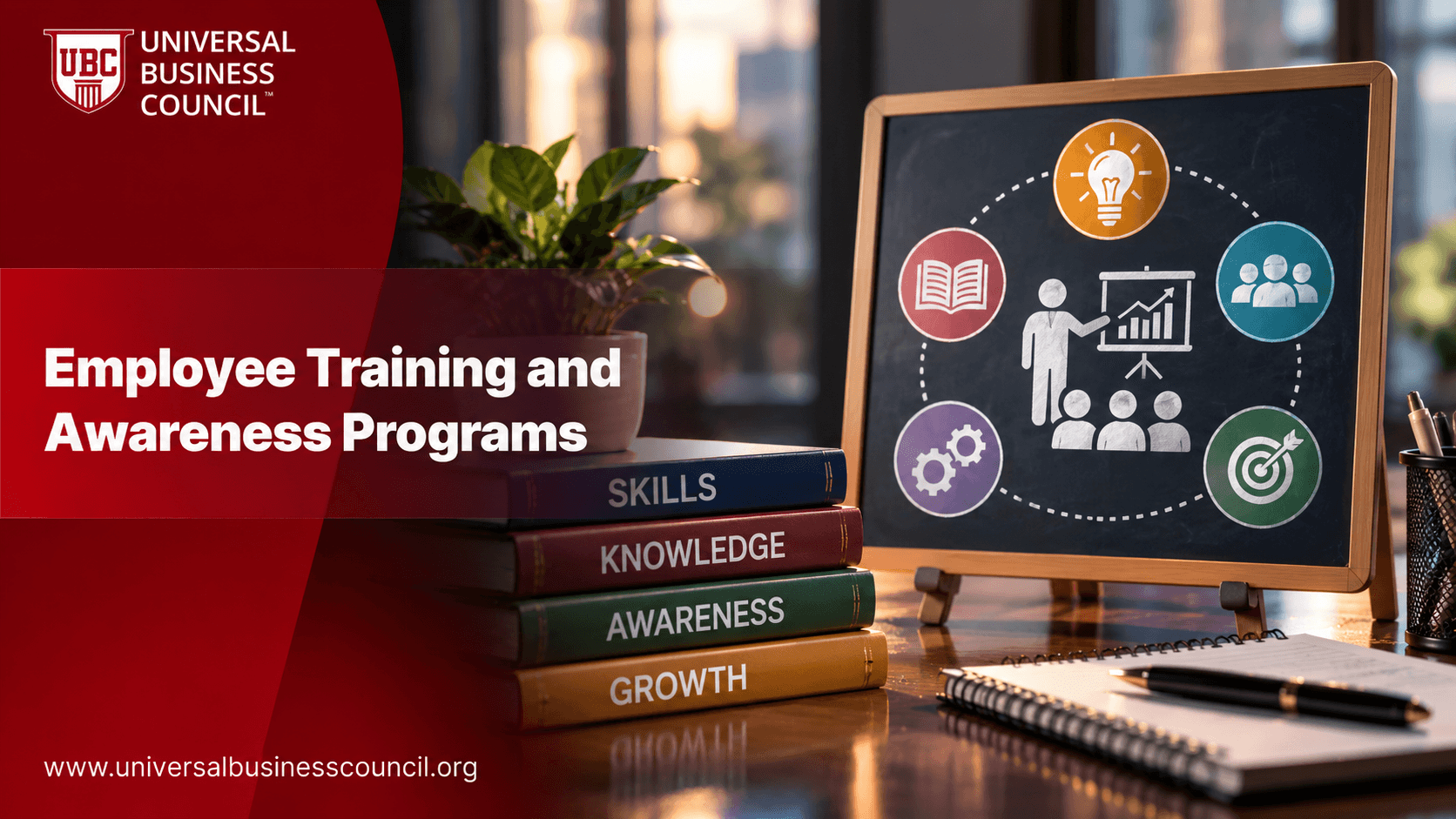
The annual compliance training is complete. Everyone clicked through the modules, passed the quiz, and got the confirmation email. Then someone on the marketing team sends a campaign without the required disclosure, a manager approves a questionable claim, and nobody stops to think about the policy they supposedly just learned.
That's the problem with treating compliance training as something employees simply need to finish. The goal is to make people recognize the right action when they're working under pressure, not just remember a definition during a quiz. For professionals looking to build that broader understanding, the Certified Compliance Professional certification can provide a useful foundation. This guide covers how to build employee training and awareness programs that actually carry into everyday work, so compliance becomes a habit rather than a yearly chore.

What are employee training and awareness programs?
Employee training and awareness programs are the structured ways an organization teaches staff the laws, policies and ethical standards that apply to their work, then keeps those standards visible afterward. Training is the teaching side: onboarding, workshops, role-specific sessions. Awareness is what happens between sessions: reminders, short prompts, real stories and simulations.
A working program usually has these parts:
• Onboarding training on the code of conduct and core policies
• Role-specific sessions for teams that handle sensitive data, money or public claims
• Short refreshers spread across the year
• Simulations, such as phishing tests
• A clear and safe way to report a concern
Training builds knowledge. Awareness turns it into habit. Compliance teams need both, because regulators and auditors increasingly ask whether a program works in practice, not only whether it exists on paper.
Size matters less than fit. A ten-person agency and a multinational need the same building blocks; only the scale changes. The small team might run everything in a monthly huddle, while the large one needs a learning platform, regional variations and translated content. Either way, people should know which rules apply to them and where to go with a question.
Why most compliance training fails quietly
Most programs don’t fail loudly. They fail by being politely ignored. The module gets completed, the dashboard turns green, and behavior stays exactly where it was. The warning signs are easy to spot:
• Completion rate is the only number anyone tracks
• The intern and the CFO get the same module
• Content is lifted straight from policy documents, legal phrasing included
• Nobody can say who owns the program
• Employees click through with the sound off
Underneath all of these sits one habit: training built to satisfy an auditor instead of helping an employee. A 45-minute video on anti-bribery rules is wasted on a designer who will never meet a government official. The sales lead who meets officials every month gets the same video and the same shrug.
Timing makes it worse. Training dropped into the busiest week of the quarter gets rushed, and training delivered only at onboarding is forgotten long before it applies.
Compliance risk sits in every department, marketing included
Finance deals with fraud and reporting rules. HR deals with hiring, harassment and leave law. IT guards systems and customer data. Marketing gets less attention in compliance conversations, though it may carry more public exposure than any of them, because everything it produces gets published.
A normal campaign touches a lot:
• Advertising claims that need evidence behind them
• Consent for email, SMS and tracking cookies
• Influencer and endorsement disclosures, which regulators such as the US Federal Trade Commission actively police
• Customer data covered by privacy laws like the GDPR
• Testimonials and before-and-after comparisons
None of this is exotic. It just moves fast, and fast teams skip steps unless the steps are already habit. Marketing is one useful lens on a wider point: every department has its own version of this risk, and each one needs training that speaks to it.
Build compliance training around roles
One module for everyone is easy to buy and hard to remember. Role-based training starts by asking what each team can actually get wrong, then teaches only that.
Teams that handle data and technology
Developers, IT staff and data analysts need practical skills, not policy summaries: secure coding, access control, how to handle personal data in test environments. Technical upskilling through programs such as Tech Certifications gives these teams the grounding to spot compliance gaps in the systems they build.
Marketing and customer-facing teams
These teams need short, concrete rules they can apply mid-campaign. Skip the legal lecture. Show a real ad, point to the claim that needs proof, and explain what evidence would satisfy a regulator.
A pre-launch check worth teaching
• Can every claim in the copy be backed by evidence on file?
• Is consent recorded for everyone on the send list?
• Are paid endorsements and influencer posts clearly disclosed?
• Does the opt-out link actually work?
Managers and leadership
Managers set the real policy through what they reward and what they let slide. If a manager approves a rushed campaign without the usual check, the training lost. Leaders need their own session: how to respond when an employee raises a concern, and why deadline pressure is where most shortcuts begin.
Make awareness feel like a campaign
Compliance teams can borrow straight from marketing here. A campaign has one clear message, several channels and steady repetition. Awareness works the same way. Anyone who has studied audience behavior, through something like a Digital Marketing Course, will recognize the playbook: know the audience, keep the message short, and show up where people already are.
Formats that tend to get read:
• A two-minute microlearning clip after a policy change
• A monthly phishing simulation with instant feedback
• A short note in the team chat tied to something that happened this week
• A one-page poster near the printer with a single rule on it
Stories usually beat rules. Rather than reciting a data privacy clause, tell the version where a well-meaning employee exports a customer list to a personal drive to finish work from home, then show what followed. People remember what happened to someone like them.
Training for newer technology risks
Policies written five years ago rarely cover today’s tools. Staff now use AI tools to draft copy, paste customer details into chatbots and run automated personalization that decides who sees which offer. Each raises questions about data handling, disclosure and accuracy that a generic module never touches. Promotions tied to crypto assets and blockchain products sit in an even tighter regulatory corner.
A simple starting rule helps: no customer data goes into an unapproved tool, and anything AI-generated gets a human review before it is published.
Teams working near these areas benefit from grounding in the technology itself, and resources like Deep Tech Certifications help build that base. Update training whenever a new tool enters daily work, not when the annual cycle comes round.
Someone has to own the program
Programs without an owner drift. Content goes stale, reminders stop, and nobody notices until an incident. Ownership usually sits with a compliance lead who works with HR, legal and department heads, and who has the standing to say a campaign or process waits until training is done.
How to tell whether it is working
Completion rates show attendance. They say little about behavior. Better signals include:
• Fewer repeat violations from the same team
• More near-miss and concern reports (a rise early on often means people trust the process)
• Falling click rates in phishing simulations over several months
• Marketing campaigns cleared at first review instead of the third
• Employees asking policy questions before acting, not after
Review these numbers each quarter with department heads. Where a team keeps slipping, change the training for that team instead of repeating the same session louder.
Feedback counts too. A short anonymous survey after each session, asking what was unclear and what felt irrelevant, gives the program owner more to fix than a pass mark ever will.
Conclusion: making compliance a daily habit
Effective employee training and awareness programs do more than record attendance. They teach each role what it can get wrong, then keep the message alive through short, repeated, story-driven reminders. Marketing shows the risk clearly, since its work is public and data-heavy, but finance, HR, IT and sales carry their own versions. The strongest programs build training around roles, borrow campaign thinking for awareness, update content as new technology arrives, give ownership to a named person, and measure behavior rather than attendance. Do that, and compliance stops being a January task and becomes part of how the work gets done.
Frequently asked questions
What are employee training and awareness programs?
They are structured efforts to teach staff the laws and policies relevant to their jobs and keep those rules visible through regular reminders.
What is the difference between training and awareness?
Training teaches rules and skills in set sessions. Awareness keeps them in mind through ongoing prompts between sessions.
Why do organizations need compliance training?
It lowers the risk of legal breaches, fines and reputational damage by making sure staff know the rules that apply to them.
How often should compliance training be repeated?
Core topics at least once a year, with shorter refreshers through the year and extra sessions whenever a law or policy changes.
Is employee compliance training legally required?
Some laws and sectors require it, such as certain data protection and workplace conduct rules. Requirements vary by country and industry, so check local regulations.
Who should attend compliance training?
Everyone completes the core training, while higher-risk roles attend extra sessions built around their work.
What compliance topics should marketing teams be trained on?
Advertising claims, consent, data privacy, endorsement disclosures, and email and SMS rules.
How does training reduce risk in advertising claims?
It teaches teams to have evidence on file before a claim goes live, which cuts misleading or unsupported statements.
What is influencer disclosure training?
It shows staff and partners how to label paid or gifted promotions clearly so audiences know about the relationship.
How should teams be trained on data privacy and consent?
Use real scenarios covering how personal data is collected, stored and used, and what counts as valid consent.
What is role-based training?
Training built around the specific risks of a job, rather than one generic module for the whole company.
What is microlearning?
Very short lessons, often two to five minutes, that focus on a single point.
How long should a compliance training session be?
Around 20 to 30 minutes for core topics and under 10 minutes for refreshers keeps attention up.
What are phishing simulations?
Fake phishing emails sent to staff to see who clicks, followed by feedback that teaches them to spot real ones.
How do you measure whether training is working?
Track behavior signals such as incident reports, repeat violations and simulation results, not only completion rates.
How do you keep training current when regulations change?
Assign someone to monitor legal updates and release a short update module whenever a change affects daily work.
How can remote employees be trained effectively?
Short online modules, live virtual sessions and chat-based reminders fit into a remote workday better than long seminars.
What is a training needs assessment?
A review of each role’s risks and knowledge gaps that decides what training is actually needed.
Who should own the training program?
Usually a compliance lead who works with HR, legal and department heads.
What should happen when employees skip or fail training?
Follow up quickly, offer a supported retake, and escalate through managers if it continues, with consequences stated in policy.
Related Articles
View All
Business
Employee Benefits Compliance (ERISA): Complete Guide
Learn what ERISA requires for employee benefit plans, including reporting, disclosures, fiduciary duties, claims procedures, and year-round compliance.

Business
Customer success training: what should you learn?
Customer success training helps professionals develop the skills needed to guide customers, improve product adoption, and build long-term relationships. Learn what to study, which tools to understand, and how to apply these skills in real customer success roles.

Business
Future Trends in Compliance Management: What’s Next?
Compliance management is shifting from reacting to violations to predicting and preventing risks before they escalate. Discover how AI, automation, predictive analytics, and real-time monitoring are transforming compliance teams and helping businesses stay ahead of regulatory changes.
Trending Articles
The Role of Blockchain in Ethical AI Development
How blockchain technology is being used to promote transparency and accountability in artificial intelligence systems.
AWS Career Roadmap
A step-by-step guide to building a successful career in Amazon Web Services cloud computing.
Top 5 DeFi Platforms
Explore the leading decentralized finance platforms and what makes each one unique in the evolving DeFi landscape.