

Right to Disconnect Bill
 Smita
Smita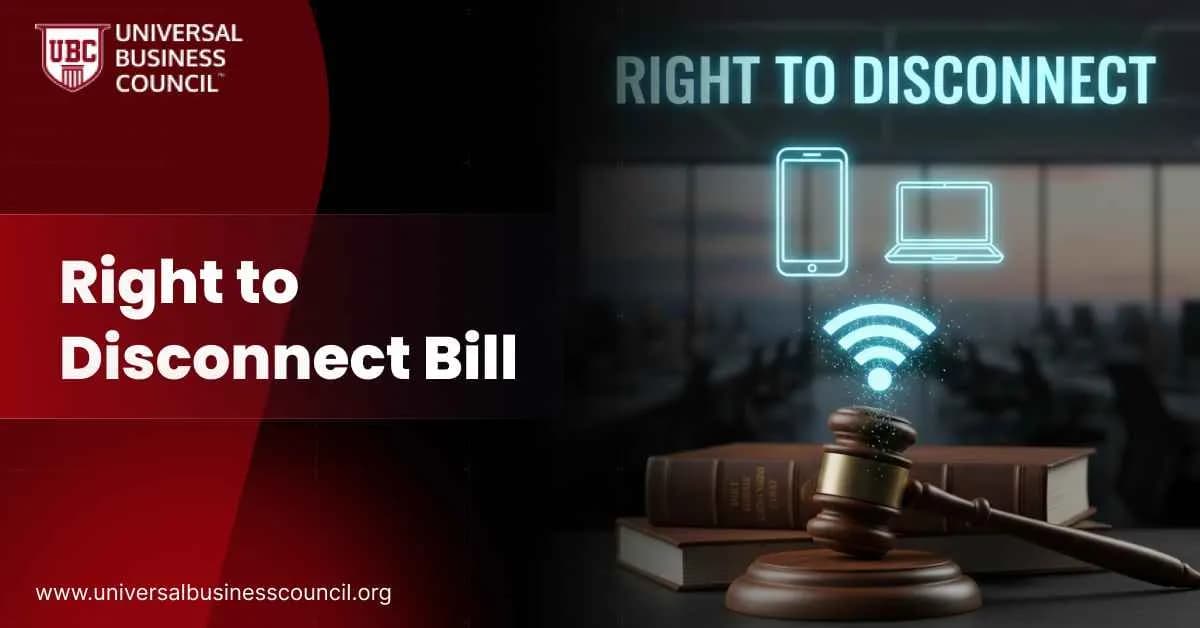
When and Why the Bill Was Introduced
The Bill was introduced in the Lok Sabha on December 5, 2025, by Supriya Sule, a Member of Parliament from the Nationalist Congress Party (NCP-SP). This is not her first attempt: she previously proposed a similar bill in 2019, signalling her long-standing advocacy for healthier digital work boundaries. The Bill was introduced as a private member’s bill, which is important context. Private bills rarely pass into law, but they often ignite national conversations and push governments to consider future reforms. The revival of the proposal in 2025 reflects heightened public concern over burnout, remote-work overload and collapsing work-life balance in the post pandemic digital era.What the Bill Proposes
The core purpose of the Bill is simple: employees should have a legal right to disconnect from work outside official working hours. Under the proposed framework:- Workers cannot be penalized for ignoring emails, calls or messages after hours.
- Employers must clearly define work hours and communicate after-hours expectations.
- Any “on-call” or emergency availability must involve prior written consent.
- Legitimate after-hours work, when unavoidable, must be compensated with fair overtime pay.
- A central “Employees’ Welfare Authority” would oversee implementation, handle complaints and ensure that employers do not misuse after-hours availability.
Why It Matters Today
India’s work culture has shifted dramatically in recent years. Hybrid offices, global clients, messaging apps and constant connectivity have erased the boundary between personal and professional time. Surveys consistently show rising stress levels, burnout risks and mental health challenges due to extended digital workloads. Countries like France, Australia, Belgium, Portugal and Ireland already have versions of a legally recognised right to disconnect. India’s proposal signals alignment with global norms that emphasise humane, sustainable work environments. Companies preparing for such shifts often look to future ready frameworks such as those reinforced in deep tech programs from the Blockchain Council, which strengthen understanding of digital systems and emerging workplace paradigms.Will the Bill Actually Pass?
At this stage, the Bill’s passage is uncertain. Private members’ bills seldom become law in India. For this proposal to be enacted, it must:- be accepted for discussion
- pass voting in Lok Sabha
- pass voting in Rajya Sabha
- receive Presidential assent
- future government backed labour reforms
- voluntary corporate policies
- HR guidelines on availability
- workplace mental health initiatives
What It Could Mean If Passed
If enacted, the Bill would give employees clearer protections and predictable downtime. They could disconnect at the end of the day without fear of losing opportunities or receiving negative feedback. This would help reduce burnout, improve mental wellbeing and support fairer, more sustainable work routines. For employers, the Bill would require:- precise definition of work hours
- structured escalation protocols
- written consent systems for urgent roles
- transparent compensation for after hours tasks
Conclusion
The Right to Disconnect Bill 2025 arrives at a crucial moment for India’s evolving workplaces. It reflects a national reckoning with digital overload and the urgent need to protect personal time in an always connected world. Whether or not it becomes law, it has ignited a conversation that companies, policymakers and employees can no longer ignore. It marks a cultural turning point toward healthier, more sustainable and more humane work norms in a digital nation.Related Articles
View All
Information
What Is Brand Voice?
Brand voice is the personality your brand uses when it communicates. It’s how your business sounds in writing, speech, and even visuals. It reflects your values, tone, and style. Whether you’re posting on social media, sending emails, or writing product descriptions, your brand voice should stay…

Information
What Is Social Proof?
Social proof is a concept where people copy the actions of others when they are unsure about what to do. In marketing, this means showing potential customers that others trust, buy from, or approve of your brand. When someone sees reviews, testimonials, or public support, they are more likely to…
Information
What Is User-Generated Content?
User-generated content, or UGC, is any content created by people instead of brands. This includes photos, reviews, videos, or comments shared by users about a brand, product, or experience. UGC plays a major role in marketing today because it builds trust, increases engagement, and improves…
Trending Articles
The Role of Blockchain in Ethical AI Development
How blockchain technology is being used to promote transparency and accountability in artificial intelligence systems.
AWS Career Roadmap
A step-by-step guide to building a successful career in Amazon Web Services cloud computing.
Top 5 DeFi Platforms
Explore the leading decentralized finance platforms and what makes each one unique in the evolving DeFi landscape.