

What Is Influencer Whitelisting?

How Whitelisting Works
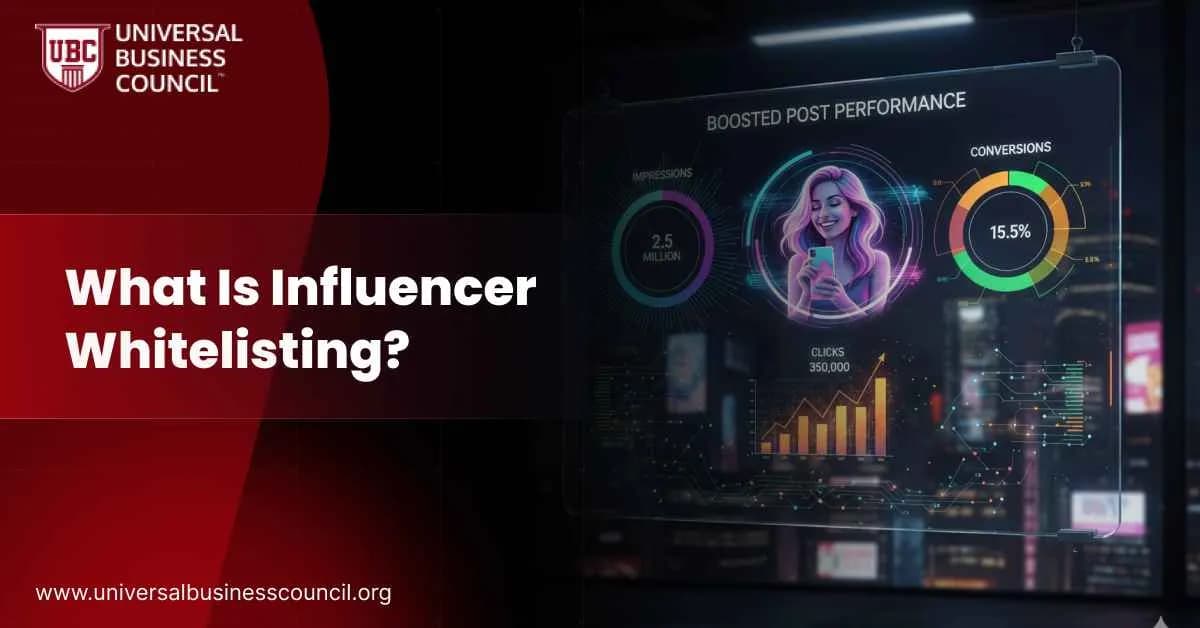
The process starts when an influencer grants the brand advertising permissions through tools like Meta Business Suite, TikTok Spark Ads, or Google Ads. This access allows the brand to promote the influencer’s posts or create new ads using their name and profile picture. Brands can:- Boost existing posts to reach more people
- Create multiple ad versions with different headlines or calls to action
- Target lookalike audiences, specific regions, or interest groups
Why Brands Prefer Whitelisting
Whitelisting gives brands several advantages:- Ads appear more authentic and native in users’ feeds
- Performance is better, with higher click-through and conversion rates
- Brands gain access to real-time analytics, enabling better decisions
- They can extend the reach of a single influencer post far beyond organic followers
What Influencers Get Out of It
For influencers, whitelisting isn’t just about giving access. It’s a chance to grow and earn more.- Their content reaches new, relevant audiences
- They often gain followers from ad exposure
- Brands pay extra for whitelisting access
- They can review analytics data typically hidden from organic posts
Key Differences Between Whitelisting and Dark Posting
| Attribute | Influencer Whitelisting | Dark Posting |
| Origin of Content | From influencer’s profile or handle | Brand-created content |
| Visibility on Profile | Sometimes visible | Never appears on influencer’s profile |
| Control Over Targeting | Controlled by brand | Controlled by brand |
| Ad Authenticity | Higher, feels more organic | Lower, looks like traditional ads |
| Audience Reach | Follower base + paid reach | Paid reach only |
Is Whitelisting Safe?
Yes, when done right. Brands typically receive only limited access, often restricted to promoting posts. They can’t post new content or message followers directly. Still, influencers should make sure contracts are in place to set boundaries and outline expectations. Most platforms offer secure access levels. Meta lets users assign advertiser roles, and TikTok uses Spark Ads for quick approvals.Can Smaller Creators Use It?
Absolutely. In fact, micro and nano influencers often perform better in whitelisted campaigns. Their niche audiences are highly engaged, and their content feels personal. When combined with smart targeting, these campaigns can outperform big-budget efforts.What Kind of ROI Does It Deliver?
Brands often report 1.5 to 2 times better return on ad spend from whitelisted content compared to standard ads. That’s because the content is more relatable and tailored to specific audiences. Teams that work with AI-powered targeting often enhance results even further, as taught in the AI Certification.Benefits of Whitelisting for Marketing Campaigns
| Benefit | Why It Matters | Who It Helps Most |
| Ad Personalization | Brand can test versions of captions, CTAs | Marketers |
| Content Credibility | Viewers trust influencer content | Consumers |
| Platform Support | Built into Meta, TikTok, YouTube systems | Brands and agencies |
| Influencer Monetization | Additional earnings through access fees | Content creators |
Trends in 2025
Influencer whitelisting is now central to many brand strategies. Campaigns are growing more targeted and data-driven. Brands are using AI tools to manage permissions, test creatives, and automate optimization. Another trend is the use of whitelisted user-generated content. Brands collect short videos or photos from influencers and use those in paid ads across platforms. It’s especially popular in ecommerce and education sectors. Professionals exploring these workflows often find value in a Deep tech certification, especially as platforms and automation tools continue to evolve.Final Thoughts
Influencer whitelisting is a powerful marketing tool. It allows brands to scale content without sacrificing authenticity and gives creators a chance to earn more while growing their reach. With the right setup and smart targeting, both sides benefit. Whether you’re an influencer, a brand strategist, or a media buyer, now is a great time to upskill. If you’re interested in using AI to improve campaign planning, the AI Certification offers practical insights. For those who want to make data-driven decisions, the Data Science Certification is a strong choice. And if your focus is on strategic marketing and brand growth, the Marketing and Business Certification provides a targeted track to stay competitive in today’s digital landscape.Related Articles
View All
Information
What Is Brand Voice?
Brand voice is the personality your brand uses when it communicates. It’s how your business sounds in writing, speech, and even visuals. It reflects your values, tone, and style. Whether you’re posting on social media, sending emails, or writing product descriptions, your brand voice should stay…
Information
What Is Social Proof?
Social proof is a concept where people copy the actions of others when they are unsure about what to do. In marketing, this means showing potential customers that others trust, buy from, or approve of your brand. When someone sees reviews, testimonials, or public support, they are more likely to…

Information
Right to Disconnect Bill
The Right to Disconnect Bill 2025 has become one of India’s most widely debated labour reform proposals, with discussions spanning mental health, workplace boundaries and the future of digital-first work culture. Companies evaluating long term organisational impact often lean on insights taught in…
Trending Articles
The Role of Blockchain in Ethical AI Development
How blockchain technology is being used to promote transparency and accountability in artificial intelligence systems.
AWS Career Roadmap
A step-by-step guide to building a successful career in Amazon Web Services cloud computing.
Top 5 DeFi Platforms
Explore the leading decentralized finance platforms and what makes each one unique in the evolving DeFi landscape.