

AI + Crypto Convergence
 Smita
Smita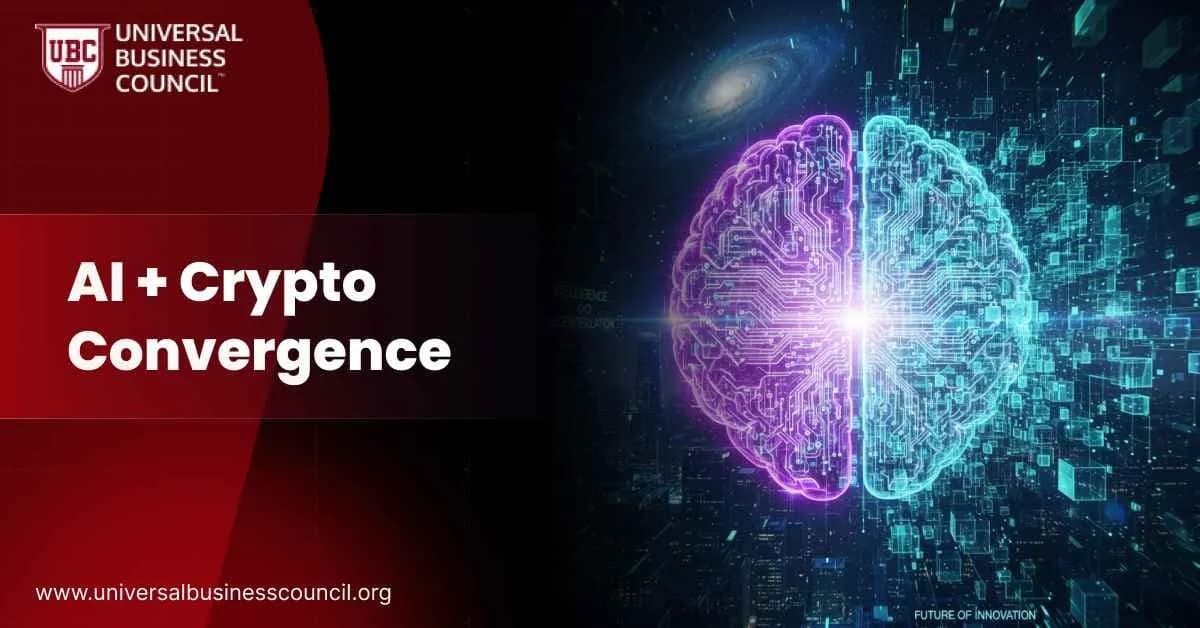
AI Tokens Driving Growth
AI tokens are digital assets tied to projects that blend artificial intelligence with blockchain. They power decentralized marketplaces, autonomous agents, GPU networks, and data exchanges. Examples include:- Bittensor (TAO): A decentralized marketplace where models are trained collaboratively.
- Fetch.ai (FET): Infrastructure for autonomous agents that make real-time decisions.
- Ocean Protocol (OCEAN): A marketplace for data sharing that supports AI model training.
- Render Token (RNDR): GPU rendering services that now extend into AI workloads.
Blockchain-Based AI Services
AI needs immense computing power and trusted data pipelines. Blockchain-based AI services are stepping in to provide decentralized alternatives:- GPU-sharing networks that tap into idle resources worldwide.
- Smart contracts that integrate AI logic for real-time decision-making.
- Data marketplaces where contributors are rewarded for sharing useful datasets.
- Privacy-preserving AI frameworks, such as zero-knowledge machine learning (zkML), that ensure compliance while still enabling computation.
Hybrid Infrastructure Models
The convergence is also creating hybrid infrastructure that bridges Web3 and AI:- The Graph (GRT) provides data indexing so AI agents can query blockchain information seamlessly.
- Privacy-first models combine federated learning with blockchain verification.
- Optimistic and zero-knowledge approaches to AI verification aim to ensure that outputs from models can be trusted on-chain.
Market Momentum and Investor Interest
The market for AI-crypto projects is growing quickly. Analysts see strong compound annual growth as investors recognize that AI and blockchain together create new categories of products. The rise of AI coins on trading platforms is one signal, but the deeper story is infrastructure: decentralized compute, new ways of distributing model access, and token-governed communities shaping AI development. Crypto certification has become increasingly relevant here, equipping professionals with the knowledge to evaluate these tokens and projects from both technical and investment perspectives.Challenges to Address
As with any emerging field, there are barriers:- Scalability: Running AI fully on-chain is still not feasible. Most projects rely on off-chain compute, raising questions about decentralization.
- Privacy and security: Sensitive data must be handled carefully. New approaches like zkML are promising but not yet mainstream.
- Tokenomics: Many AI tokens remain speculative, with unclear long-term utility.
- Regulation: AI services and crypto tokens each face scrutiny; combined, they raise new legal questions.
- Technical maturity: Verifying AI outputs in a trustless way is an unsolved challenge.
Best Practices for Teams Entering This Space
- Start with clear token utility and governance structures.
- Prioritize privacy-preserving approaches to data and AI computation.
- Be transparent about off-chain versus on-chain processing.
- Build communities early, giving token holders meaningful influence.
- Track regulatory guidance to avoid compliance risks.
Examples of AI + Crypto Projects
| Project / Token | What It Offers |
| Bittensor (TAO) | Decentralized training marketplace for AI models |
| Fetch.ai (FET) | Framework for autonomous agents and smart decision-making |
| Ocean Protocol (OCEAN) | Data exchange network for training and sharing AI datasets |
| Render Token (RNDR) | Distributed GPU rendering and compute network |
| The Graph (GRT) | Decentralized indexing protocol powering AI agents |
| IO Research | GPU-sharing blockchain network supporting AI workloads |
| zkML Initiatives | Privacy-preserving AI inference on blockchain |
| Autonomous Smart Contracts | Smart contracts enhanced with adaptive AI logic |
| Community-Governed Tokens | Token holders guide model updates and governance |
| Hybrid Infrastructure Models | Bridging decentralized data and AI compute |
Conclusion
The convergence of AI and crypto is more than a passing trend. It is reshaping how services are built, how tokens function, and how communities govern technology. AI tokens are creating new economic models, while blockchain-powered AI services open the door to decentralized compute and data sharing. The future will depend on solving scalability and privacy challenges, as well as ensuring clear regulatory paths. For those who prepare now, the opportunities are vast. Building skills through certifications in marketing, blockchain, data science, and deep tech gives professionals the tools to thrive at this intersection.Related Articles
View All
Artificial Intelligence
Gemini 4 Argon: Features, Pricing, and Availability
Gemini 4 Argon is Google’s new flagship AI model for coding, science, finance, law and security. See its main features, API and subscription pricing, and where you can access it today.
Artificial Intelligence
What Is Meta Muse Wonder? Features and How It Works
Meta Muse Wonder is a new frontier AI model built for agents with Active Memory and Active Focus. Learn what it is, how it works, its features, pricing and how to access it.

Artificial Intelligence
What Is Google Playground? Features and How It Works
What is Google Playground? Learn how Google's new AI platform turns text prompts into playable browser games, which models power it, its features, pricing and access, Unity Spark plans, rival tools, and limits.
Trending Articles
The Role of Blockchain in Ethical AI Development
How blockchain technology is being used to promote transparency and accountability in artificial intelligence systems.
AWS Career Roadmap
A step-by-step guide to building a successful career in Amazon Web Services cloud computing.
Top 5 DeFi Platforms
Explore the leading decentralized finance platforms and what makes each one unique in the evolving DeFi landscape.