

How to Prepare for an AI Audit: Documents, Teams and Evidence
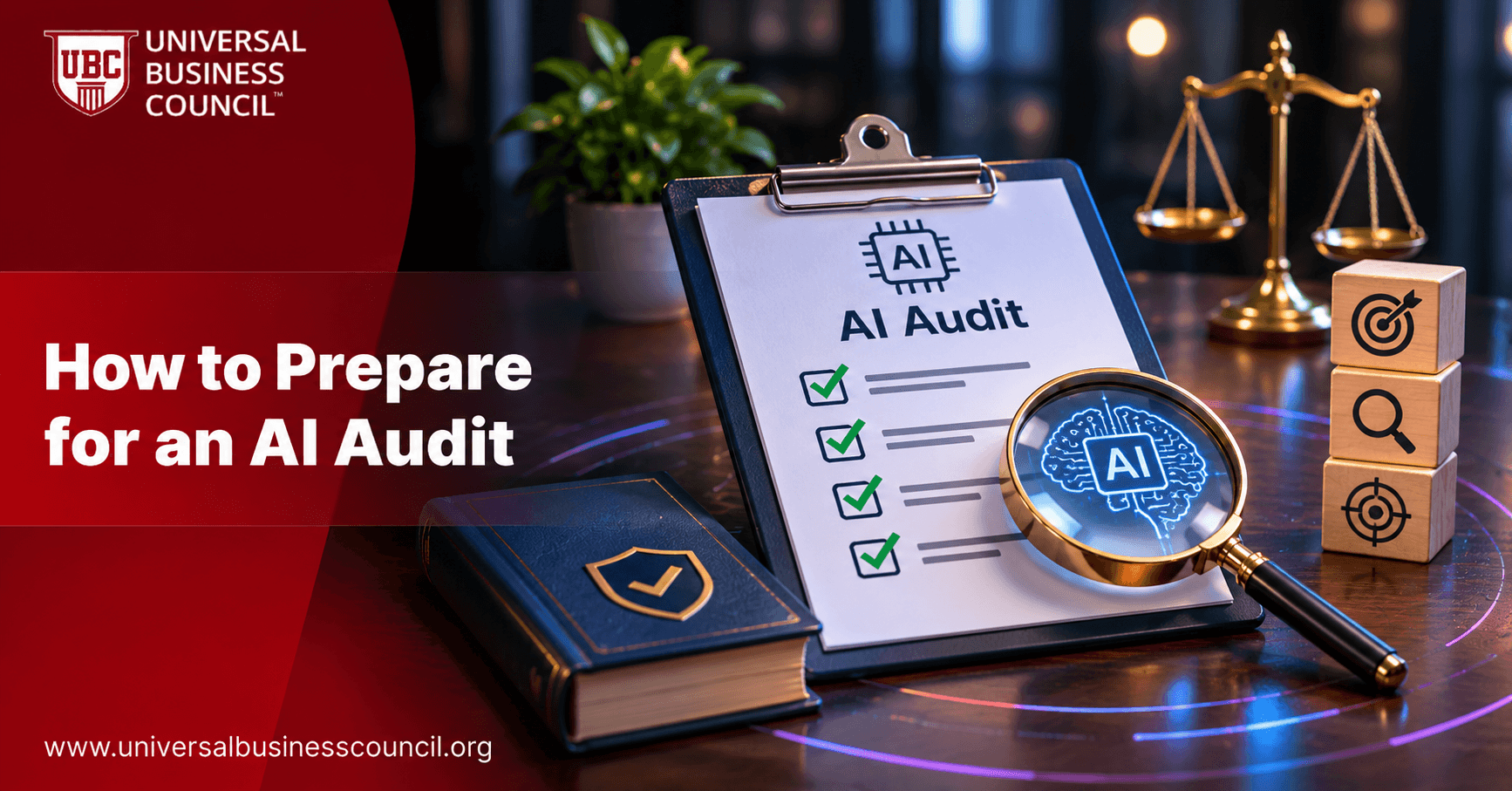
The audit starts before the auditor arrives. Teams that treat preparation as a scramble in the final week hand over messy files, give inconsistent interview answers and spend the audit explaining gaps they could have fixed. Teams that prepare calmly, over weeks, make the whole experience faster and fairer for everyone. This guide is a practical playbook for the audited side: which documents to gather, which people to line up, how to organize evidence and how to rehearse. It follows a simple 30-60-90 day rhythm you can adapt. If you want to understand the auditor's side of the table, the Certified AI Audit Professional certification covers it well.
What does it mean to prepare for an AI audit?
Preparing for an AI audit means getting your documents, people and evidence ready so that auditors can test your controls efficiently, and so that what they find is an accurate picture of how you actually work. It is not about polishing appearances or hiding weak spots. Auditors spot staging quickly, and it damages trust.

First 30 days: understand and inventory
Begin by learning what the audit will examine.
Clarify the scope and criteria
Ask for the audit scope, objectives, criteria, timeline and sampling approach. Know whether the audit is internal or external, technical or compliance-focused. If the scope is unclear, ask questions now. Surprises later cost more.
Update your inventory
Confirm that every in-scope system is listed with an owner, purpose, risk tier, data used, vendors and last review date. Reconcile the list against reality, because auditors often start by sampling from it and then checking whether it is complete.
Run a quick self-check
Walk through a checklist for the in-scope areas and mark each item met, partly met or not met. Do not panic over gaps. Plan how to close them, and record what you changed and when.
Days 31 to 60: gather documents and evidence
Now assemble the evidence room.
The document set auditors usually request
AI policy, standards, procedures and version histories
Governance charters, committee minutes and decision logs
Inventory and risk register entries
Impact assessments, approvals and exceptions
Data documentation, consent records and lineage descriptions
Test and validation reports, model cards and change records
Monitoring reports, incident logs and complaint records
Vendor contracts, due diligence files and exit plans
Training materials, attendance and assessment results
Organize it so it can be found
Create a single, access-controlled repository with an index that maps each control to its evidence. Name files consistently, date them and keep version history. Never recreate or backdate documents. If a record is missing, say so and explain the plan. Integrity techniques for records, a topic explored in deep tech certifications, can strengthen trust in what you provide.
Prepare system evidence, not just documents
Auditors may ask to see logs, configurations, dashboards and data samples. Check that you can produce them quickly and safely, with privacy protections in place. Engineers who support these requests benefit from strong technical foundations, which many develop through tech certifications.
Days 61 to 90: line up people and rehearse
People make or break the audit experience.
Build the audit support team
Name a coordinator to manage requests and track responses, owners for each system, subject experts for data, security and legal topics and an executive sponsor who clears roadblocks. Make sure everyone knows the timeline and their role.
Check who is who
Auditors often ask about qualifications for key roles. Have accurate records ready, and verify credentials of staff and contractors in sensitive positions, with services such as HireValid supporting the check.
Prepare for interviews
Brief interviewees on the scope and their areas. Encourage plain, accurate answers, including "I don't know, let me check." Do not coach people to say what they think the auditor wants to hear. Inconsistent answers between teams are a bigger red flag than an honest gap.
Run a mock walkthrough
Pick one system and trace it from inventory to risk assessment to approval to monitoring to incident handling. Time how long it takes to produce each piece of evidence. Fix the slowest links.
During the audit
A few habits keep things smooth.
Respond promptly and completely
Track every request, answer within agreed timeframes and ask for clarification when needed. Provide what was asked, no more and no less.
Be candid about gaps
If something does not exist, say so and describe your plan. Auditors respect candor and punish evasion.
Keep notes
Record meetings, requests and agreements, so later disputes about what was said or supplied are easy to resolve.
After the audit
Respond to findings with owners, deadlines and realistic fixes, and verify that they work. Update policies, templates and training based on what you learned. Share outcomes carefully with outsiders, describing exactly what was covered. A digital marketing course can help communications teams talk about audit results accurately and still make a positive case.
Conclusion
Preparing for an AI audit works best over about ninety days: clarify scope and refresh the inventory, assemble and index evidence, line up a support team and rehearse with a mock walkthrough. Be candid about gaps, respond promptly and follow through on findings. The goal is an honest picture of how you operate, delivered without drama.
Frequently asked questions
These are the questions people ask most about preparing for an AI audit.
1. How do I prepare for an AI audit?
Clarify scope, update your inventory, gather evidence, line up your team and rehearse.
2. How early should I start?
Ideally weeks or months before, depending on scope.
3. What documents will auditors ask for?
Policies, inventories, assessments, test reports, logs, contracts and training records.
4. What is an evidence repository?
An organized, access-controlled store of audit documents mapped to controls.
5. Should I create missing documents now?
Not by backdating. Document gaps honestly and fix them going forward.
6. Who should be on the audit support team?
A coordinator, system owners, subject experts and an executive sponsor.
7. What does the coordinator do?
Manages requests, deadlines and consistent responses.
8. How do I prepare interviewees?
Explain the scope, review their areas and encourage honest answers.
9. Should I coach people on what to say?
No. Accuracy matters more than polish.
10. What is a mock walkthrough?
A rehearsal tracing one system through your controls and evidence.
11. Will auditors check the inventory?
Yes, for completeness and accuracy.
12. What if our evidence is weak?
Be candid, explain your plan and fix what you can before fieldwork.
13. Do auditors want system access?
Often, for logs, configurations and samples, under privacy controls.
14. How do I handle sensitive data in evidence?
Minimize, mask where possible and restrict access.
15. Should vendors be involved?
Yes, request vendor documents early and confirm cooperation rights.
16. How do I track requests?
Use a log with owner, due date and status for each item.
17. Should I give auditors extra information?
Provide what is requested and relevant, and clarify when unsure.
18. What happens if I disagree with a finding?
Raise factual errors with evidence during the review period.
19. How do I follow up on findings?
Assign owners and dates and verify fixes work.
20. What is the biggest preparation mistake?
Staging a perfect picture instead of showing how you actually operate.
Related Articles
View All
Artificial Intelligence
How to Prepare for an AI Governance Audit: Evidence and Documentation
Learn how to prepare for an AI governance audit by organizing essential evidence, policies, and documentation. Explore the records auditors may review, including risk assessments, model documentation, testing results, accountability records, and monitoring reports, to demonstrate responsible AI practices and regulatory readiness.
Artificial Intelligence
AI Audit Evidence: What Auditors Should Collect and Verify
Explore the types of evidence auditors should collect and verify when evaluating AI systems. Learn how to review model documentation, training data, testing results, risk assessments, governance policies, and monitoring records to assess AI performance, fairness, security, and compliance.
Artificial Intelligence
AI Traceability and Audit Trails: Building Evidence for Accountability
Explore how AI traceability and audit trails help organizations document AI activities and establish accountability. Learn what information to record, how to track data sources, model changes, decisions, and system activity, and how reliable audit records support transparency, compliance, and responsible AI governance.
Trending Articles
The Role of Blockchain in Ethical AI Development
How blockchain technology is being used to promote transparency and accountability in artificial intelligence systems.
AWS Career Roadmap
A step-by-step guide to building a successful career in Amazon Web Services cloud computing.
Top 5 DeFi Platforms
Explore the leading decentralized finance platforms and what makes each one unique in the evolving DeFi landscape.