

What is Omnichannel Marketing Systems
 Smita
Smita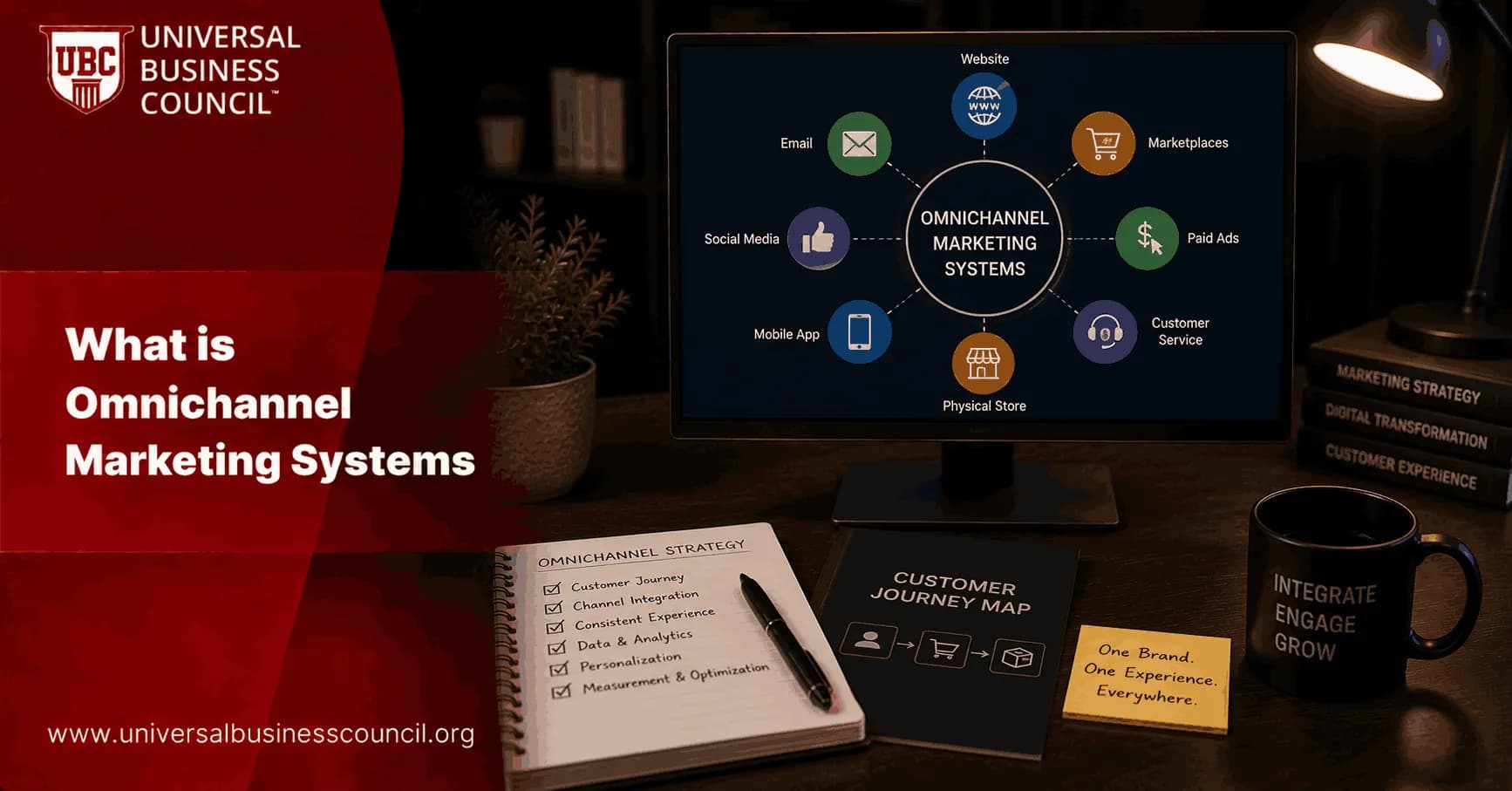
Customers no longer interact with brands through a single channel. A person might discover a product on social media, research it on a website, read reviews on a mobile app, and finally purchase it in a physical store. Because of this behavior, businesses are adopting omnichannel marketing systems to create a unified and consistent experience across all touchpoints. Omnichannel marketing integrates multiple channels such as websites, mobile apps, social media, email, and physical locations into one coordinated strategy. The goal is simple but powerful: make the customer journey smooth, connected, and personalized regardless of where interactions occur. As competition grows and customer expectations rise, omnichannel systems are becoming a central part of modern marketing strategies. Build seamless omnichannel marketing systems that integrate social media, email, websites, and ads for consistent customer experiences by gaining expertise through an AI certification, automating workflows using a Python certification, and executing integrated campaigns through a Digital marketing course.
Omnichannel Marketing System means
An omnichannel marketing system is a framework that connects all marketing channels so customers experience a consistent brand presence across platforms. Instead of operating independently, channels share data and messaging to support a unified customer journey. For example, a customer may:

Discover a product through social media advertising
Visit the brand’s website for more information
Receive a personalized email promotion
Purchase the product through a mobile app or physical store
In an effective omnichannel system, each of these interactions feels connected rather than separate. This approach reflects the reality that consumers often switch between devices and channels before making decisions.
Why Omnichannel Marketing Matters
Businesses adopt omnichannel strategies because customer journeys have become increasingly complex. People expect brands to recognize their preferences and provide consistent experiences. Research shows omnichannel marketing can provide several benefits including better customer insights, stronger engagement, increased sales, and improved loyalty. A well designed omnichannel system helps organizations:
Deliver consistent messaging
Understand customer behavior across platforms
Improve personalization
Strengthen brand relationships
Increase conversion rates
In other words, it turns scattered marketing efforts into a coordinated experience.
Key Components of an Omnichannel Marketing System
Unified Customer Data
A successful omnichannel strategy depends on integrating data from various sources such as CRM systems, social media analytics, website behavior, and purchase history. This unified data helps businesses understand customers more accurately.
Cross Channel Integration
All communication channels must work together. Email campaigns, social media content, paid advertising, and in store interactions should reinforce one another rather than operate in isolation.
Consistent Brand Experience
Customers should encounter the same tone, visual identity, and messaging across every platform. Consistency builds trust and makes the brand recognizable.
Real Time Communication
Modern marketing systems often respond instantly to customer behavior. For example, browsing a product online may trigger a personalized recommendation or promotion.
Real World Examples of Omnichannel Marketing
Retail Industry
Retail companies frequently combine online and offline experiences. Customers may search for a product online, reserve it, and pick it up in store while receiving personalized offers through mobile apps.
E Commerce Brands
Many online retailers synchronize advertising, email marketing, and social media campaigns so that customers see consistent messaging across platforms.
Banking and Financial Services
Banks now offer integrated experiences across mobile apps, websites, and physical branches, allowing customers to move smoothly between digital and in person interactions. These examples show how omnichannel marketing improves convenience and strengthens customer relationships.
Recent Developments in Omnichannel Marketing
Technology is rapidly changing how omnichannel systems operate.
Artificial Intelligence Integration
AI tools help analyze large datasets, predict customer behavior, and personalize experiences across multiple channels. Many organizations are investing in AI driven automation to improve marketing performance.
Hyper Personalization
Brands increasingly tailor content and recommendations based on individual preferences, browsing patterns, and purchase history.
Mobile First Strategies
Consumers rely heavily on smartphones, so companies are prioritizing mobile friendly experiences within their omnichannel ecosystems.
Connected Customer Journeys
Modern platforms allow businesses to track interactions across devices and platforms, providing a clearer picture of how customers move through the buying process. These developments are making omnichannel marketing more intelligent, responsive, and data driven.
Skills Needed to Work With Omnichannel Systems
As marketing becomes more technology focused, professionals need a combination of strategic, analytical, and digital skills. Many professionals begin by developing a strong foundation through a Marketing certification, which helps them understand customer behavior, campaign planning, and brand strategy. Those specializing in online channels often pursue a digital marketing certification to gain deeper expertise in analytics tools, advertising platforms, and multichannel campaign management. Because artificial intelligence is increasingly integrated into marketing platforms, gaining an AI certification can help professionals understand automation, predictive analytics, and AI driven personalization. Professionals interested in audience growth and platform strategy may also pursue a master in social media to strengthen their expertise in digital communities and content strategies.
Challenges in Implementing Omnichannel Marketing
Although omnichannel strategies offer many advantages, implementing them is not always easy.
Data Integration
Combining information from different platforms and systems can be complex and technically demanding.
Organizational Coordination
Teams responsible for different channels must collaborate closely to maintain consistency.
Privacy and Data Protection
Companies must handle customer data responsibly while complying with privacy regulations.
Technology Costs
Building and maintaining integrated systems requires investment in tools, infrastructure, and skilled professionals. Organizations that successfully address these challenges often gain a strong competitive advantage.
The Future of Omnichannel Marketing
The future of marketing will likely become even more interconnected. As artificial intelligence, automation, and advanced analytics continue to develop, businesses will gain deeper insight into customer behavior. Future omnichannel systems will focus on predictive experiences, where brands anticipate needs before customers actively search for solutions. Real time personalization, immersive technologies, and seamless digital physical integration are expected to play major roles. Companies that embrace these innovations will be better positioned to meet evolving consumer expectations. Design and optimize omnichannel strategies using customer journey mapping and data integration by building expertise through an AI certification, developing integration systems using a Node JS Course, and scaling multi-channel campaigns using an AI powered marketing course.
Conclusion
Omnichannel marketing systems are transforming how businesses interact with customers. By integrating online and offline channels into a unified experience, organizations can provide more consistent, personalized, and convenient interactions. Advances in artificial intelligence, data analytics, and digital technology continue to enhance these systems. Businesses that effectively implement omnichannel strategies can improve customer engagement, strengthen loyalty, and achieve long term growth in an increasingly competitive marketplace
FAQs
1. What Is an Omnichannel Marketing System?
An omnichannel marketing system is a strategy and technology framework that delivers a consistent and connected customer experience across multiple marketing and communication channels.
2. Why Is Omnichannel Marketing Important?
Omnichannel marketing helps businesses create seamless customer journeys, improve engagement, increase conversions, and strengthen customer loyalty across all touchpoints.
3. How Does Omnichannel Marketing Differ from Multichannel Marketing?
Multichannel marketing uses multiple channels independently, while omnichannel marketing integrates those channels to create a unified customer experience.
4. What Are the Core Components of an Omnichannel Marketing System?
Core components include customer data integration, marketing automation, channel coordination, personalization, analytics, and customer journey management.
5. Which Channels Are Typically Included in an Omnichannel Strategy?
Common channels include websites, mobile apps, email, social media, SMS, chatbots, online advertising, customer support, and physical stores.
6. How Does Customer Data Support Omnichannel Marketing?
Customer data helps businesses understand behaviors, preferences, interactions, and purchase history, enabling personalized experiences across channels.
7. What Is a Unified Customer View?
A unified customer view combines data from multiple touchpoints into a single profile, allowing businesses to deliver consistent and personalized interactions.
8. How Does Personalization Improve Omnichannel Marketing?
Personalization ensures customers receive relevant messages, offers, recommendations, and experiences regardless of the channel they use.
9. What Role Does Marketing Automation Play in Omnichannel Systems?
Marketing automation helps coordinate campaigns, trigger communications, nurture leads, and manage customer journeys across multiple channels efficiently.
10. How Can Businesses Create Seamless Customer Journeys?
Businesses can align messaging, synchronize customer data, integrate platforms, and ensure smooth transitions between channels throughout the buying process.
11. What Is Customer Journey Mapping in Omnichannel Marketing?
Customer journey mapping visualizes every interaction a customer has with a brand, helping marketers identify opportunities to improve experiences and conversions.
12. How Do Mobile Devices Influence Omnichannel Marketing?
Mobile devices allow customers to interact with brands anytime and anywhere, making mobile-friendly experiences essential to omnichannel success.
13. What Are Examples of Omnichannel Marketing in Action?
Examples include browsing products online and purchasing in-store, receiving personalized email offers based on website activity, or continuing customer support conversations across multiple channels.
14. How Can AI Enhance Omnichannel Marketing Systems?
AI can analyze customer behavior, personalize content, optimize campaigns, predict customer needs, automate interactions, and improve decision-making across channels.
15. What Challenges Do Businesses Face When Implementing Omnichannel Systems?
Common challenges include data silos, technology integration issues, inconsistent messaging, privacy concerns, and difficulties maintaining a unified customer experience.
16. How Can Businesses Measure Omnichannel Marketing Success?
Key metrics include customer retention, conversion rates, customer lifetime value, engagement rates, cross-channel performance, and overall return on investment.
17. What Technologies Support Omnichannel Marketing?
Technologies often include CRM platforms, customer data platforms (CDPs), marketing automation software, analytics tools, AI platforms, and communication management systems.
18. How Does Omnichannel Marketing Improve Customer Loyalty?
By delivering consistent, convenient, and personalized experiences, omnichannel marketing helps build trust and strengthen long-term customer relationships.
19. What Are Common Mistakes in Omnichannel Marketing?
Common mistakes include disconnected systems, inconsistent branding, poor data management, lack of personalization, and treating channels as separate experiences. Customers rarely care about internal organizational charts, yet many companies accidentally make them part of the customer journey.
20. What Makes an Effective Omnichannel Marketing System?
An effective omnichannel marketing system integrates customer data, aligns all channels, delivers personalized experiences, leverages automation, and continuously optimizes interactions to create a seamless customer journey from awareness to loyalty.
Related Articles
View AllDigital Marketing
KPIs for Digital Marketing Campaigns in Programmatic Advertising
Learn how to choose KPIs for digital marketing campaigns using programmatic advertising, from reach and CTR to CPA, ROAS, CAC, and revenue impact.
Digital Marketing
How AI and Automation Power Programmatic Advertising in Modern Digital Marketing
AI now drives programmatic advertising through automated bidding, targeting, creative optimization, privacy-safe identity, and cross-channel measurement.
Digital Marketing
Building a Full-Funnel Digital Marketing Strategy with Programmatic Advertising
Learn how to build a full-funnel digital marketing strategy with programmatic advertising across awareness, consideration, conversion, and retention.
Trending Articles
The Role of Blockchain in Ethical AI Development
How blockchain technology is being used to promote transparency and accountability in artificial intelligence systems.
AWS Career Roadmap
A step-by-step guide to building a successful career in Amazon Web Services cloud computing.
Top 5 DeFi Platforms
Explore the leading decentralized finance platforms and what makes each one unique in the evolving DeFi landscape.