

First Aid Training Requirements for the Workplace
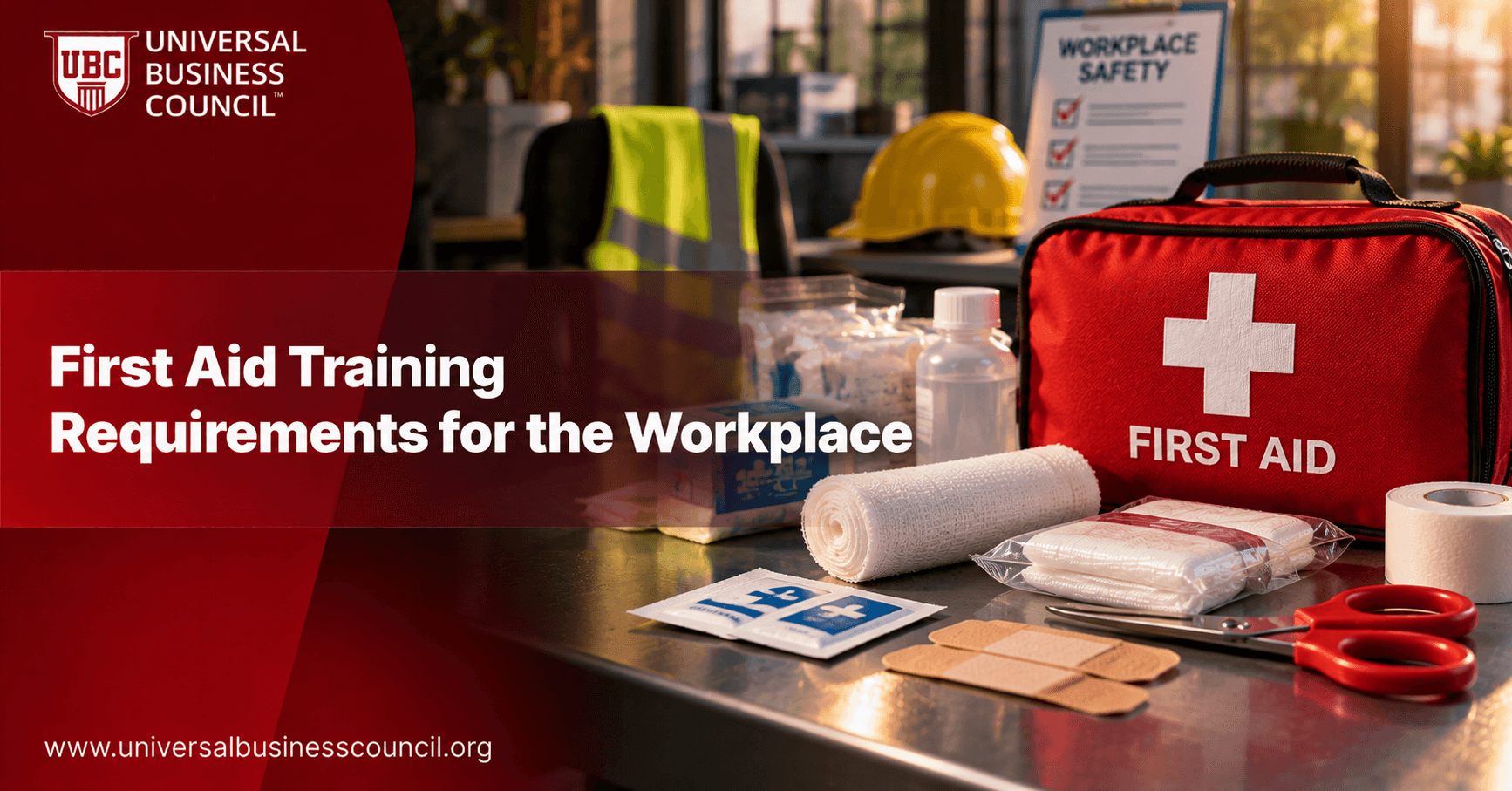
Who needs to be trained, how many people are enough, what should the training cover and how often should it be renewed? Those four questions sit behind almost every workplace first aid plan. The answers depend on local law, the size of the organization and the hazards of the work, so employers need a clear process for working them out and proving it. This guide explains how first aid training requirements generally work, how to assess needs, what training should include, how to keep records and how to stay compliant. It is general information and not legal advice, and employers should always confirm what their local regulator requires. For hands-on training in emergency care, the certified first aid and CPR professional certification is a recognized place to start.
What are workplace first aid training requirements?
Workplace first aid training requirements are the legal and policy expectations that determine who must be trained in first aid, what the training must cover and how it must be kept up to date. They exist to make sure that someone competent can respond quickly when an employee, visitor or contractor is injured or becomes ill at work.

Most places place the duty on the employer, who must provide adequate first aid arrangements. What counts as adequate depends on the workplace, so requirements are usually based on risk and size and not on a single fixed rule.
Start with a first aid needs assessment
A needs assessment is the foundation of compliance. It looks at the real risks of the workplace and decides what arrangements are proportionate.
What to consider
Typical factors include the nature of the work and its hazards, the number of employees and how they are spread across sites and shifts, how far the workplace is from emergency services and whether people work alone or off site. The presence of visitors, the public or vulnerable people also matters, as does the history of past incidents.
Reviewing the assessment
The assessment should be written down and reviewed regularly, and whenever the work, staffing or premises change. A plan that fitted last year may not fit today.
How many first aiders are needed
There is rarely a single number that fits every employer. Higher-risk workplaces, larger staff numbers, multiple floors or buildings and shift patterns generally call for more trained first aiders. Cover must also allow for holidays, sickness and shift changes, so that a trained person is available whenever people are at work. Employers should check their local regulator's guidance for how many are expected in their circumstances and for any distinction between basic and more advanced roles.
What first aid training should include
Course content varies by region and provider, but a good workplace course normally covers:
Assessing an emergency and keeping safe
CPR and the use of an automated external defibrillator
Managing bleeding, wounds and shock
Burns, choking, fractures and sudden illness
Recording incidents and handing over to emergency services
Higher-risk workplaces may need additional content, such as chemical exposure, electrical hazards, working in heat or cold or other site-specific risks. Training should include hands-on practice, since skills cannot be learned from reading alone.
Choosing training that is recognized
Not every course will satisfy the regulator or the employer's insurer. Before booking, check that the provider is recognized or accredited as required locally, that the course matches the workplace's assessed needs, and that the certificate states its validity period. Ask whether the course covers adult, child and infant techniques where relevant. Employers should keep the course outline and the provider's details on file as part of their compliance records.
Refresher training and certificate validity
First aid skills fade without practice, so certificates are normally time-limited. Employers should track expiry dates and book refresher training before certificates lapse, since a first aider whose certificate has expired may not count toward the workplace's required cover. Short, regular refreshers or drills between formal renewals help maintain confidence and skill.
Supplies, equipment and notices
Training works best alongside suitable equipment. Workplaces typically need stocked first aid kits suited to the risks, accessible and clearly marked. Where appropriate, an automated external defibrillator should be available, and staff should know where it is. Notices should show who the first aiders are and where to find supplies. Kits should be checked regularly, with expired items replaced and use recorded.
Contractors, visitors and remote workers
First aid arrangements should reflect everyone who is present or affected. Visitors and the public may need to be covered, and contractors working on site should know how to get help. Employees who work alone, travel or work remotely may need extra measures, such as portable kits, communication check-ins and clear emergency instructions. The needs assessment should address these groups explicitly.
Records, verification and accountability
Good records show that the employer has met its duties. Keep the needs assessment, training certificates, refresher dates, kit checks and incident reports in an organized and secure system. Incident records contain personal health information and must be kept private. When appointing or hiring first aiders, organizations verify their credentials and training history, and services such as HireValid support that verification. Assigning clear responsibility for first aid arrangements helps prevent gaps.
Digital tools for tracking compliance
Many employers now track certificates, expiry dates and equipment checks with digital systems that send reminders and produce reports. These tools reduce the risk of lapses, but they must be set up and used correctly. Staff who understand digital systems manage them better, and some build those skills through tech certifications. As secure data systems and artificial intelligence reach workplace safety, deep tech certifications offer one way to understand how such technologies handle sensitive records.
Communicating about training clearly
Training providers and employers should describe first aid training accurately, including what each course covers, how long certificates last and which requirements they meet. Unclear claims can lead to the wrong purchase and gaps in compliance. A digital marketing course can help providers explain their courses honestly online and within legal and ethical limits.
Conclusion
First aid training requirements for the workplace rest on a risk-based approach. Start with a written needs assessment, decide how many trained first aiders are needed to cover all shifts and locations, and choose recognized training that matches the risks. Keep certificates current through refreshers, maintain stocked and accessible equipment, and cover contractors, visitors and remote workers. Keep secure records, verify credentials and review the plan whenever things change. Always confirm the exact rules with the local regulator, since they differ between places.
Frequently asked questions
These are the questions employers ask most about first aid training.
1. What are workplace first aid training requirements?
They are the legal and policy rules about who must be trained, what training must cover and how it is kept current.
2. Who is responsible for first aid at work?
Generally the employer, who must provide adequate first aid arrangements.
3. What is a first aid needs assessment?
A written review of workplace risks and staffing used to decide what first aid arrangements are needed.
4. How often should the assessment be reviewed?
Regularly, and whenever the work, staffing or premises change.
5. How many first aiders do we need?
It depends on risk, size, layout and shifts, so check your local regulator's guidance.
6. Do shifts affect first aid cover?
Yes. A trained first aider should be available whenever people are at work.
7. What should first aid training cover?
Emergency assessment, CPR, bleeding, burns, choking, fractures, sudden illness and incident recording.
8. Is hands-on practice required?
It is strongly recommended and often expected, since practical skills cannot be learned from reading.
9. How do I choose a training provider?
Check that they are recognized or accredited as required locally and that the course matches your needs.
10. How long are certificates valid?
Validity differs by region and provider, so check the certificate and renew before it lapses.
11. Do we need a defibrillator?
It depends on local rules and risk, but one is valuable in workplaces where cardiac emergencies could occur.
12. What should a first aid kit contain?
Items suited to workplace risks, such as dressings, bandages, gloves and scissors, checked regularly.
13. Are visitors covered?
Arrangements should reflect everyone who is present, including visitors and the public.
14. What about lone and remote workers?
They may need portable kits, check-ins and clear emergency instructions.
15. Do contractors need to be considered?
Yes. They should know how to get help, and responsibilities should be agreed clearly.
16. What records should we keep?
The needs assessment, certificates, refresher dates, kit checks and incident reports.
17. Are incident records confidential?
Yes. They contain personal health information and must be kept private and secure.
18. How do employers verify first aiders?
They check training certificates and records, often with credential screening providers.
19. What happens if a first aider's certificate expires?
They may no longer count toward required cover until they renew, so track expiry dates.
20. Where can I check the exact rules?
Your local workplace safety regulator publishes the requirements that apply to your organization.
Related Articles
View All
Health
Is First Aid and CPR Certification Worth It?
Discover whether first aid and CPR certification is worth the time and investment. Explore the benefits of learning life-saving skills, improving workplace safety, responding confidently to emergencies, and building valuable skills that can support personal and professional growth.
Health
How to Choose a First Aid and CPR Certification
Learn how to choose the right first aid and CPR certification based on your career goals, workplace requirements, and training needs. Explore important factors such as course content, accreditation, hands-on practice, certification validity, and training providers to make an informed decision.
Health
Burn First Aid: Immediate Response Basics
Learn how to provide immediate first aid for burns, including thermal, chemical, and electrical burns. Understand the essential steps for cooling the affected area, protecting the injury, avoiding common mistakes, and recognizing when emergency medical attention is needed.
Trending Articles
The Role of Blockchain in Ethical AI Development
How blockchain technology is being used to promote transparency and accountability in artificial intelligence systems.
AWS Career Roadmap
A step-by-step guide to building a successful career in Amazon Web Services cloud computing.
Top 5 DeFi Platforms
Explore the leading decentralized finance platforms and what makes each one unique in the evolving DeFi landscape.