

What Is Addiction and Substance Use Disorder?

Addiction is a medical condition that affects the brain and behavior, and the words used to describe it shape whether people feel able to ask for help. Understanding what addiction and substance use disorder actually mean is the first step for families, employers, students and anyone entering the helping professions. This guide explains the terms, the signs, the causes, how treatment works and why privacy and ethics sit at the center of care. It is general information and not a diagnosis, and anyone concerned about their own use should speak with a qualified healthcare professional. Those who want to build a career in this field may also explore the Certified Addiction Professional certification.
What is addiction and substance use disorder?
Substance use disorder is the clinical term for a pattern of using alcohol or drugs that continues despite harm and that the person finds hard to control. Addiction is the everyday word for the more severe end of that pattern, where cravings, loss of control and ongoing use despite damage to health, work or relationships become central to daily life.

Using a substance is not the same as having a disorder. Many people use alcohol or take prescribed medicines without developing a problem. A disorder is identified when use becomes compulsive and causes real harm, and it can range from mild to severe.
How addiction affects the brain and behavior
Substances act on the brain's reward and decision-making systems. Over time, the brain adapts, which can strengthen cravings and weaken the ability to stop even when a person wants to. That is why willpower alone is often not enough, and why addiction is treated as a health condition rather than a moral failing. Behavior changes follow, such as prioritizing use over responsibilities, hiding use from others and feeling unable to cut down.
Common signs to recognize
No single sign proves that someone has a disorder, but certain patterns raise concern. Professionals look at the overall picture, which may include:
Strong cravings or a feeling of needing the substance
Using more, or for longer, than intended
Failed attempts to cut down
Continued use despite clear harm to health or relationships
Neglecting work, school or family responsibilities
Needing more for the same effect, or feeling unwell without it
Only a trained professional can diagnose a disorder, so these signs are a prompt to seek an assessment and not a way to label someone.
Causes and risk factors
There is no single cause. Addiction develops through a mix of influences that differ from person to person.
Biological and personal factors
Genetics, existing mental health conditions and early exposure to substances can all raise risk. These factors do not guarantee a disorder, but they can make it more likely.
Environmental and social factors
Stress, trauma, easy access to substances and social settings where use is normal also play a part. Supportive relationships and stable routines tend to lower risk.
Protective factors
Strong family and community connections, access to healthcare and healthy ways of coping with stress all reduce the chance of a disorder developing or worsening.
Substances and behaviors involved
Substance use disorders can involve alcohol, nicotine, opioids, stimulants, cannabis, sedatives and other drugs. Each substance affects the body differently, and the risks and treatment approaches vary. Some behaviors, such as gambling, are also recognized as addictive disorders because they can produce a similar pattern of compulsion and harm.
Treatment and recovery
Addiction is treatable, and many people recover. Treatment usually starts with an assessment by a qualified professional, who then recommends a plan that fits the person's needs. Plans commonly combine counseling, medical support where appropriate and peer support. The right mix depends on the substance, the severity of the disorder and the person's circumstances.
Recovery is often a long process rather than a single event. Setbacks can happen, and they do not mean treatment has failed. They are a signal to adjust the plan and keep going with support.
Stigma and the language we use
Stigma keeps many people from seeking help. Words like addict or junkie reduce a person to a label, while person-first language, such as a person with a substance use disorder, keeps the focus on the individual. Workplaces, schools and care providers can make a real difference by using respectful language and treating the condition as a health issue.
Confidentiality and compliance in addiction care
Information about substance use treatment is among the most sensitive health data, and many places apply strict privacy rules to it. Professionals must protect records, obtain consent before sharing information and follow ethical standards about boundaries and conflicts of interest. Employers in this field also verify that staff are properly trained and credentialed, and services such as HireValid support background and credential checks. Candidates and organizations that keep accurate records make that process smoother.
Education, technology and the future of care
Treatment providers increasingly use electronic records, telehealth and digital tools to support patients between visits. Staff who are comfortable with technology manage records more safely, and some build those skills through tech certifications. Newer areas such as artificial intelligence and secure data systems may shape how health information is stored and protected, and deep tech certifications offer one way to learn the basics.
Communicating responsibly about treatment
Organizations that offer addiction services have a duty to communicate honestly. Promises of guaranteed outcomes or cures are misleading and can be harmful to people in a vulnerable position. Clear descriptions of services, qualifications and limits build trust and keep public messages within legal and ethical rules. A digital marketing course can help providers learn to present their work accurately and respectfully online.
Conclusion
Addiction and substance use disorder describe a health condition in which substance use becomes compulsive and continues despite harm. It affects the brain's reward and decision-making systems, develops through a mix of biological, personal and environmental factors, and ranges from mild to severe. Common signs include cravings, loss of control, failed attempts to cut down and neglect of responsibilities, though only a professional can diagnose a disorder. Treatment works, usually through assessment, counseling, medical support and peer support, and recovery is often a long process with setbacks along the way. Respectful language, strict confidentiality and honest communication make it easier for people to seek help. Anyone worried about their own use or a loved one's should contact a healthcare professional, and in an emergency should call local emergency services.
Frequently asked questions
These questions come up often when people first learn about addiction and substance use disorder.
1. What is addiction?
Addiction is a condition in which a person feels unable to stop using a substance or doing a behavior despite clear harm.
2. What is substance use disorder?
It is the clinical term for a pattern of substance use that continues despite harm and is hard to control, ranging from mild to severe.
3. Are addiction and substance use disorder the same?
They overlap. Addiction is the everyday word, and it is usually used for the more severe end of substance use disorder.
4. Is using a substance the same as having a disorder?
No. Many people use substances without a disorder. A disorder involves compulsive use that causes real harm.
5. What are common signs of a substance use disorder?
Cravings, loss of control, failed attempts to cut down, continued use despite harm and neglected responsibilities.
6. What causes addiction?
There is no single cause. Biological, personal, environmental and social factors combine in different ways.
7. Can anyone develop an addiction?
Anyone can be affected, though risk varies with factors such as genetics, stress and access to substances.
8. Is addiction a choice?
Using a substance may begin as a choice, but addiction involves changes in the brain that make stopping very difficult.
9. What is tolerance?
Tolerance means needing more of a substance to get the same effect as before.
10. What is withdrawal?
Withdrawal is the set of unpleasant symptoms that can appear when someone reduces or stops use, and some can be serious, so medical advice matters.
11. Is addiction treatable?
Yes. Many people recover with appropriate treatment and ongoing support.
12. What does treatment involve?
It commonly includes assessment, counseling, medical support where appropriate and peer support.
13. What is relapse?
Relapse is a return to use after a period of recovery. It is common and is a signal to review the treatment plan.
14. How long does recovery take?
It differs for each person, and recovery is often an ongoing process and not a single event.
15. Who treats addiction?
Doctors, counselors, therapists, social workers and other trained professionals can be involved, often as a team.
16. How can I support a loved one?
Listen without judgment, use respectful language, encourage them to see a professional and look after your own wellbeing too.
17. What is stigma and why does it matter?
Stigma is negative judgment about a condition. It stops many people from seeking help, so respectful language matters.
18. Are behavioral addictions real?
Some behaviors, such as gambling, are recognized as addictive disorders because of a similar pattern of compulsion and harm.
19. Is addiction treatment confidential?
Records are generally protected by strict privacy rules, with limited exceptions set by law.
20. When should someone seek help?
When use is causing harm or feels out of control. Speak with a healthcare professional, and call local emergency services in an emergency.
Related Articles
View All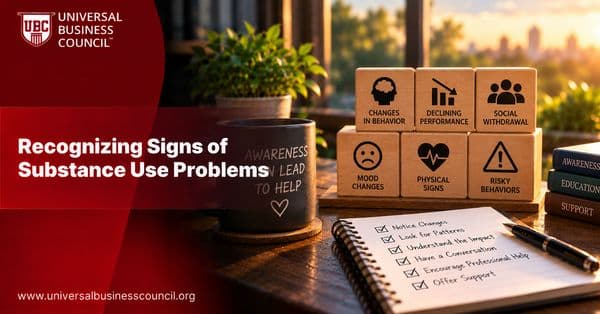
Health
Recognizing Signs of Substance Use Problems
Understand how to recognize potential signs of substance use problems and identify changes in behavior, physical health, and emotional well-being. Explore common warning signs, risk factors, and ways to approach someone who may need professional support.
Health
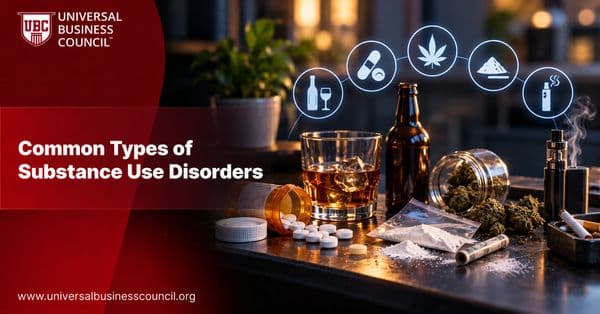
Common Types of Substance Use Disorders
Learn about the common types of substance use disorders and how they affect individuals. Explore disorders related to alcohol, opioids, stimulants, cannabis, and other substances, along with their signs, risk factors, and impact on health and daily life.

Health
Is Addiction Professional Certification Worth It?
Discover whether earning an addiction professional certification is worth the investment. Explore its career benefits, training requirements, certification costs, professional credibility, and opportunities in addiction treatment and recovery support.
Trending Articles
The Role of Blockchain in Ethical AI Development
How blockchain technology is being used to promote transparency and accountability in artificial intelligence systems.
AWS Career Roadmap
A step-by-step guide to building a successful career in Amazon Web Services cloud computing.
Top 5 DeFi Platforms
Explore the leading decentralized finance platforms and what makes each one unique in the evolving DeFi landscape.