

What Is CPR and When Is It Needed?

Two quick checks decide whether CPR is needed: is the person responding, and are they breathing normally? When the answer to the first is no and the second is no, every second counts. CPR keeps blood and oxygen moving to the brain and heart until emergency services arrive or a defibrillator can be used. This guide explains what CPR is, when it should be started, the basic steps in plain terms, how defibrillators fit in and what training and compliance expectations apply. It is general information and not a replacement for an accredited CPR course, where exact techniques are taught and practiced. Anyone exploring a hands-on care career can also look at the certified nursing assistant certification as a practical starting point.
What is CPR?
CPR stands for cardiopulmonary resuscitation. It is an emergency technique that combines firm chest compressions with, where trained, rescue breaths. Its purpose is to keep some blood flowing to the brain and other vital organs when the heart has stopped pumping effectively.

CPR does not usually restart the heart on its own. It buys time. The person's best chance comes from starting CPR early, calling emergency services and using a defibrillator as soon as one is available.
When is CPR needed?
CPR is needed when a person is unresponsive and not breathing, or not breathing normally. Gasping or noisy, irregular breaths shortly after a collapse are not normal breathing and should be treated as a sign that CPR is needed. The usual causes include cardiac arrest, though serious injury, drowning and other emergencies can also lead to it.
It is not needed for someone who is responsive, or for someone who is unresponsive but breathing normally. That person should be placed in the recovery position, watched closely and kept under observation until help arrives. If you are unsure, call emergency services and follow the operator's instructions, since they can guide you step by step.
Cardiac arrest and heart attack: the difference
The two are often confused. A heart attack happens when blood flow to part of the heart is blocked, and the person is usually conscious and in pain. Cardiac arrest is when the heart stops pumping effectively and the person collapses, becoming unresponsive and not breathing normally. A heart attack can lead to cardiac arrest, but they are different emergencies, and CPR is for cardiac arrest.
The basic steps in plain terms
A course teaches exact methods, but the overall sequence is easy to remember.
Check safety and responsiveness
Make sure the area is safe. Tap the person firmly and ask loudly whether they can hear you. If they do not respond, shout for help and make sure someone calls emergency services.
Check breathing and start compressions
Open the airway and look for normal breathing for a short time. If there is none, place the heel of your hand in the center of the chest and press down firmly and quickly, letting the chest rise fully between presses. Continue without long pauses.
Hands-only and full CPR
Untrained bystanders are often advised to give hands-only CPR, which uses chest compressions alone. People trained in full CPR add rescue breaths in the pattern they were taught. Both are far better than doing nothing, and the operator can coach you through the right approach.
Using a defibrillator
An automated external defibrillator, or AED, is a portable device that analyzes the heart's rhythm and, if needed, delivers a shock. It gives clear spoken instructions and is designed to be used by people without medical training. If one is available, send someone to fetch it as soon as the emergency call is made. Switch it on, follow the voice prompts, and keep doing CPR until the device says otherwise or professional help takes over. Early use of a defibrillator greatly improves the chance of survival.
Children and infants
Children and infants need modified techniques, and the causes of collapse are often different, with breathing problems more common. Training courses teach the changes in hand position, pressure and breathing, so anyone who cares for young people should take a course that covers them. If you must act without training, call emergency services and follow the operator's guidance.
Common concerns and myths
Fear of doing harm stops many people from acting. A person who is not breathing and has no signs of life is already in grave danger, and CPR gives them a chance. Chest compressions can cause injuries such as bruising or broken ribs, but these are far less serious than the harm of not acting. Many places also protect people who act in good faith, although laws differ, so it is worth checking local rules.
Training, certification and workplace compliance
CPR skills fade without practice, so certification is usually time-limited and needs renewal. Some jobs, including healthcare, childcare, lifeguarding and many workplace first aid roles, require current certification. Employers should keep accurate training records, schedule refreshers and make sure staff know where defibrillators are located. Hiring teams verify certificates before appointing people to these roles, and services such as HireValid support that verification. Individuals help themselves by keeping certificates current and easy to produce.
Records and technology
Training records, equipment checks and incident reports are increasingly digital. Accurate, secure systems help organizations stay compliant and respond faster, and staff who understand digital tools manage them better. Some people build those skills through tech certifications. As secure data systems and artificial intelligence reach safety and healthcare, deep tech certifications offer one way to understand how those technologies work.
Honest promotion of CPR courses
Training providers should explain exactly what their courses cover, which groups they apply to, how long the certificate lasts and whether it meets particular workplace requirements. Vague claims or promises of instant certification can mislead people who need a valid credential. A digital marketing course can help providers describe their offering clearly and truthfully online, within legal and ethical limits.
Conclusion
CPR is an emergency technique that combines firm chest compressions with rescue breaths where trained, keeping blood and oxygen moving until emergency services or a defibrillator can take over. It is needed when a person is unresponsive and not breathing normally, and it is not needed when the person responds or is breathing normally. Calling emergency services early, starting compressions quickly and using an AED as soon as possible give the best chance of survival. Children and infants need adapted techniques, and fear of doing harm should not stop anyone from acting. Certification, regular refreshers and accurate records support safety and compliance in workplaces. An accredited course remains the best way to gain the skills and confidence to act.
Frequently asked questions
These are the questions people ask most about CPR.
1. What is CPR?
CPR is cardiopulmonary resuscitation, an emergency technique using chest compressions and, where trained, rescue breaths.
2. When is CPR needed?
When a person is unresponsive and not breathing, or not breathing normally.
3. What if the person is breathing normally?
CPR is not needed. Place them in the recovery position, call for help and monitor them.
4. Is gasping normal breathing?
No. Gasping after a collapse is not normal breathing and is treated as a sign that CPR is needed.
5. What is the difference between cardiac arrest and a heart attack?
A heart attack is blocked blood flow to the heart, while cardiac arrest is when the heart stops pumping effectively.
6. Does CPR restart the heart?
Usually not on its own. It keeps blood moving until a defibrillator or professional care is available.
7. What should I do first?
Check that the area is safe, check responsiveness and call emergency services.
8. What is hands-only CPR?
It is CPR using chest compressions alone, often advised for untrained bystanders.
9. Are rescue breaths necessary?
Trained people may give them, but compressions alone are much better than doing nothing.
10. What is an AED?
An automated external defibrillator is a device that analyzes the heart's rhythm and can deliver a shock.
11. Can anyone use an AED?
Yes. It gives spoken instructions and is designed for people without medical training.
12. Is CPR different for children and infants?
Yes. Techniques are adapted, so take a course that covers them.
13. Can CPR cause injuries?
It can cause bruising or broken ribs, but this is far less serious than not acting.
14. Can I be sued for giving CPR?
Laws vary, and many places protect good-faith help, so check local rules.
15. Do I need training to give CPR?
It is not required to act in an emergency, but training builds skill and confidence.
16. How do I learn CPR?
Take an accredited course with hands-on practice.
17. How long does CPR certification last?
It is usually time-limited and needs renewal, so check the course provider's rules.
18. Which jobs require CPR certification?
Many in healthcare, childcare, lifeguarding and workplace first aid roles, depending on local rules.
19. How do employers verify CPR certificates?
They check certificates and training records, often with credential screening providers.
20. What should I do if I am unsure?
Call emergency services and follow the operator's instructions.
Related Articles
View All
Health
Is First Aid and CPR Certification Worth It?
Discover whether first aid and CPR certification is worth the time and investment. Explore the benefits of learning life-saving skills, improving workplace safety, responding confidently to emergencies, and building valuable skills that can support personal and professional growth.
Health
How to Choose a First Aid and CPR Certification
Learn how to choose the right first aid and CPR certification based on your career goals, workplace requirements, and training needs. Explore important factors such as course content, accreditation, hands-on practice, certification validity, and training providers to make an informed decision.
Health
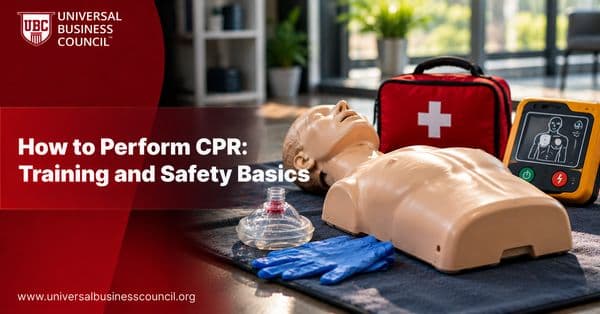
How to Perform CPR: Training and Safety Basics
Learn how to perform CPR, understand essential training requirements, and follow basic safety precautions during an emergency. Explore the steps involved in cardiopulmonary resuscitation, proper compression techniques, and the importance of getting certified to respond confidently when someone experiences cardiac arrest.
Trending Articles
The Role of Blockchain in Ethical AI Development
How blockchain technology is being used to promote transparency and accountability in artificial intelligence systems.
AWS Career Roadmap
A step-by-step guide to building a successful career in Amazon Web Services cloud computing.
Top 5 DeFi Platforms
Explore the leading decentralized finance platforms and what makes each one unique in the evolving DeFi landscape.