

Fitness Instructor Certification Requirements
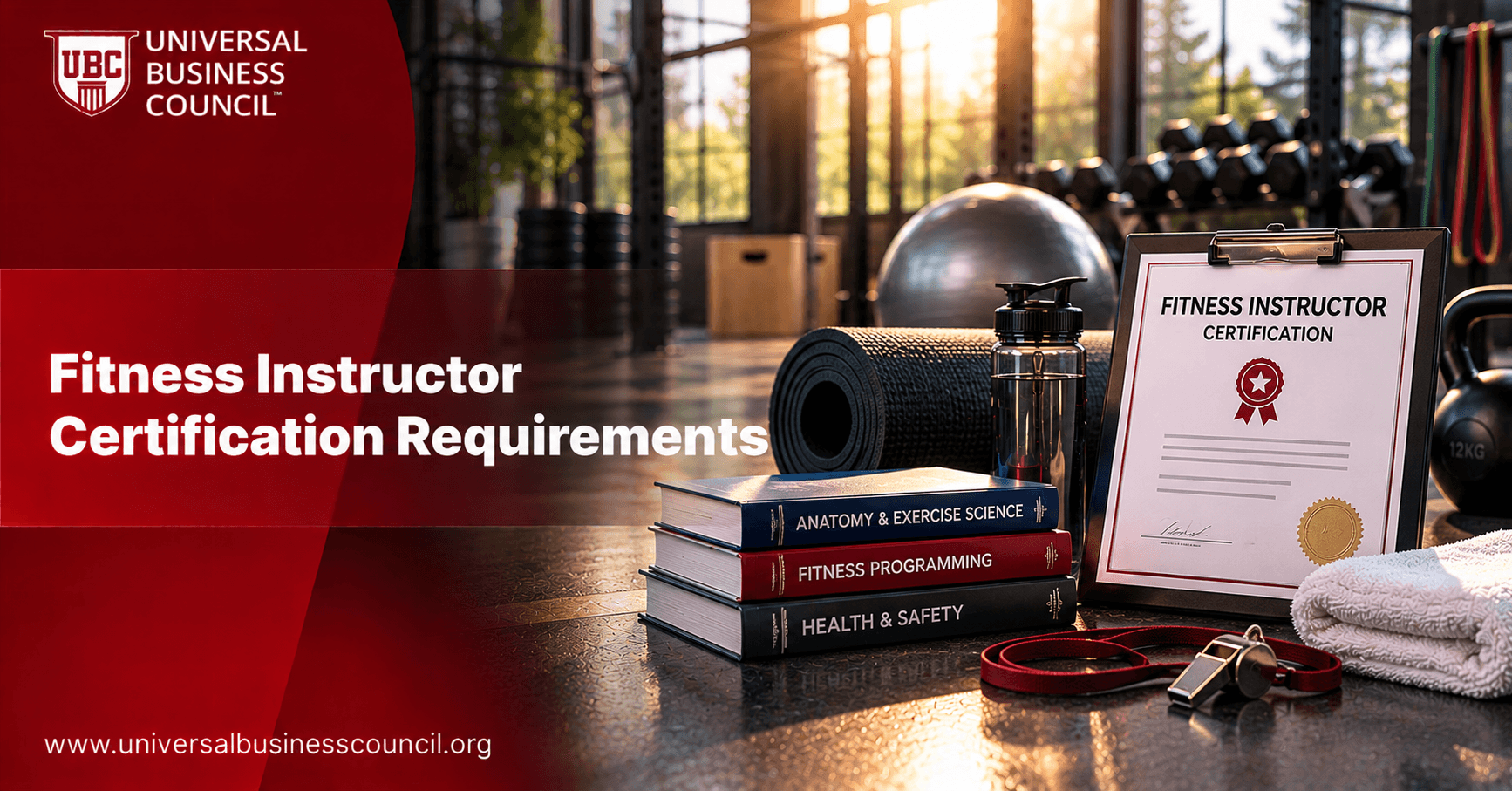
Certification requirements for fitness instructors are shaped by three parties: the certifying body, the employer and the law. A certificate that satisfies one may not satisfy the others, which is why many new instructors lose time and money on the wrong course. This guide explains the typical requirements for fitness instructor certification, including education and experience, exams, CPR and first aid, insurance, background checks and renewal. It also shows how to check what is actually required before enrolling. It is general information, and requirements vary widely by country, employer and specialization. Anyone planning a career in fitness instruction can also look at the certified group fitness professional certification as a practical starting point.
What are fitness instructor certification requirements?
Fitness instructor certification requirements are the conditions a person must meet to earn and keep a recognized credential that shows they are qualified to teach exercise. They are set by certifying organizations and shaped by what employers, insurers and regulators expect.

Certification is not always legally required, but many facilities will not hire instructors without it, and insurers may expect it. Requirements differ by type of instructor, such as group fitness, personal training or specialized formats, so each pathway needs its own research.
Who sets the requirements
Understanding who sets which rules helps avoid surprises.
Certifying bodies
Certifying organizations set the standards for their own credentials, including course content, exam format, prerequisites and renewal rules. Reputable bodies publish these standards and can confirm whether an individual's certification is current.
Employers and facilities
Employers often set their own minimum standards, such as requiring a certification from a specific list of providers, current CPR and first aid, and relevant experience. Their requirements may be stricter than the law.
Laws and regulators
In some places, laws or regulators set rules on qualifications, child protection, workplace safety and insurance. These vary widely, so instructors should check local requirements and not assume that a certificate from another country or region will be accepted.
Common prerequisites
Many certifications ask candidates to meet basic conditions before enrolling or sitting the exam. Typical requirements include:
A minimum age
A basic level of schooling or equivalent
Current CPR and first aid certification
Defibrillator training, where required
Completion of a recognized course or study program
Some specialized certifications may also require prior experience or a lower-level credential. Always read the candidate guide for the exact certification you are considering.
Training and study
Most certifications involve a structured course or self-study program covering exercise science basics, class or program design, coaching and communication, modifications for different abilities, safety and injury prevention and professional conduct. Delivery varies. Some courses are fully online, some are in person and some blend both. Check whether practical assessment is required, since many employers expect it. Specialized formats, such as particular mind-body, dance or cycling styles, often have their own training programs.
Exams and assessment
Certification normally requires passing an exam. Exams may be written, practical or both, and some require candidates to lead part of a class or demonstrate coaching skills. Candidate guides set out the format, pass mark, retake rules and fees. Prepare thoroughly, because retakes cost time and money, and read the policy on rescheduling and identification before exam day.
CPR, first aid and defibrillator training
Most employers and many certifying bodies expect current CPR and first aid certification, and often defibrillator training. These certificates have their own validity periods and need to be renewed on time. Choose a recognized course with hands-on practice, keep copies of your certificates and track expiry dates, since a lapse can affect both your certification and your employment.
Insurance and legal basics
Many facilities require instructors to hold liability insurance, especially independent contractors. Insurers may require recognized certification as a condition of cover. Contracts should make clear whether you are an employee or a contractor, who provides insurance and equipment, and what your responsibilities are. Music licensing, child protection rules and participant waivers differ by place, so confirm what applies and keep copies of your insurance, certificates and agreements.
Background checks and credential verification
Employers want to know that instructors are qualified and safe to work with participants. They verify certifications, CPR and first aid records and work history, and for roles involving children or vulnerable adults, they require background screening. Services such as HireValid support credential and background verification. Instructors make hiring smoother by keeping certificates current, names and dates consistent across documents and answers honest.
Renewal and continuing education
Most certifications expire and must be renewed, usually through continuing education, a renewal fee and sometimes current CPR and first aid. Learn the renewal cycle when you first certify, record deadlines and plan your learning in advance. Letting a certification lapse can mean losing teaching opportunities until it is reinstated, and reinstatement rules vary. Continuing education is also a chance to build new skills and keep classes fresh.
How to check what you actually need
Before paying for a course, work through a short checklist. Ask local employers which certifications they accept. Check the certifying body's published requirements and how its credential is recognized. Confirm any legal or insurance conditions with the relevant regulator or insurer. Ask about total cost, including exam, renewal and CPR and first aid. Be cautious about providers who promise guaranteed jobs, instant certification or acceptance everywhere without evidence.
Technology and records
Keeping certificates, renewal dates and insurance documents organized prevents lapses. Many instructors and employers use digital systems and reminders, and many certifying bodies offer online verification. Comfort with these tools helps, and some people build digital skills through tech certifications. As artificial intelligence and secure data systems reach the fitness industry, deep tech certifications offer one way to understand how such technologies handle personal health data.
Honest promotion by certifying bodies and trainers
Certification providers and trainers should describe their programs accurately, including prerequisites, costs, recognition and renewal. Unrealistic promises about careers or income can mislead people at a major decision. A digital marketing course can help providers and instructors communicate clearly and truthfully online and within legal and ethical limits.
Conclusion
Fitness instructor certification requirements come from certifying bodies, employers and the law, and they differ by country, employer and specialization. Typical requirements include prerequisites such as minimum age, a recognized course or study program, an exam, current CPR and first aid certification and, where relevant, defibrillator training. Insurance, contracts, background checks and credential verification add further conditions, and renewal through continuing education keeps the credential current. Before enrolling, check what employers accept, what the certifying body requires and what local rules apply. Careful research up front saves time and money and leads to a credential that actually opens doors.
Frequently asked questions
These are the questions people ask most about certification requirements.
1. Is certification required to be a fitness instructor?
Not always by law, but many employers and insurers expect it, and requirements vary by place.
2. Who sets certification requirements?
Certifying bodies, employers and, in some places, laws and regulators.
3. What are common prerequisites?
A minimum age, basic schooling, CPR and first aid and completion of a recognized course.
4. Do I need CPR and first aid certification?
Most employers and many certifying bodies expect current certification.
5. Do I need defibrillator training?
Often it is expected or required, so check with your certifying body and employer.
6. What does a certification course cover?
Exercise science basics, program or class design, coaching, modifications, safety and professional conduct.
7. Can I study online?
Often yes for theory, but check whether practical assessment is required and accepted by employers.
8. What is on the exam?
It may be written, practical or both, depending on the certification.
9. What happens if I fail the exam?
Retake rules and fees vary, so read the candidate guide before booking.
10. How long does certification last?
It varies by certifying body, and most credentials need renewal.
11. How do I renew?
Usually through continuing education, a renewal fee and sometimes current CPR and first aid.
12. What if my certification lapses?
You may be unable to teach until it is reinstated, and the rules vary.
13. Do I need insurance?
Often, especially independent contractors, and insurers may require recognized certification.
14. Will an overseas certification be accepted?
Not always. Check with local employers, regulators and insurers.
15. Do I need a background check?
Roles involving children or vulnerable adults often require one, depending on local rules.
16. How do employers verify credentials?
They check certificates and records, often with credential screening providers.
17. Do specialized classes need extra training?
Often yes, and many formats have their own training programs and requirements.
18. How can I check what I need?
Ask local employers, read the certifying body's requirements and confirm legal and insurance conditions.
19. What are warning signs of a poor provider?
Guaranteed job promises, instant certification and unclear recognition.
20. Where can I find official requirements?
The certifying body's candidate guide and your local regulator publish current requirements.
Related Articles
View All
Health
Group Fitness Instructor vs Personal Trainer
Understand the key differences between a group fitness instructor and a personal trainer, including their responsibilities, training approaches, and work environments. Explore the qualifications, skills, and career opportunities for each role to determine which fitness career path best matches your interests and goals.
Health
How to Become a Group Fitness Instructor
Learn how to become a group fitness instructor, from developing your fitness knowledge to earning relevant certifications and gaining practical experience. Explore the essential skills, qualifications, training options, and career steps needed to lead group exercise classes and help participants achieve their fitness goals.
Health
What Is a Group Fitness Instructor?
Learn what a group fitness instructor does, including their key responsibilities, skills, and role in leading group exercise classes. Explore the types of fitness programs they teach, the qualifications needed, and how they help participants stay motivated, active, and committed to their fitness goals.
Trending Articles
The Role of Blockchain in Ethical AI Development
How blockchain technology is being used to promote transparency and accountability in artificial intelligence systems.
AWS Career Roadmap
A step-by-step guide to building a successful career in Amazon Web Services cloud computing.
Top 5 DeFi Platforms
Explore the leading decentralized finance platforms and what makes each one unique in the evolving DeFi landscape.