

How to Become a Group Fitness Instructor
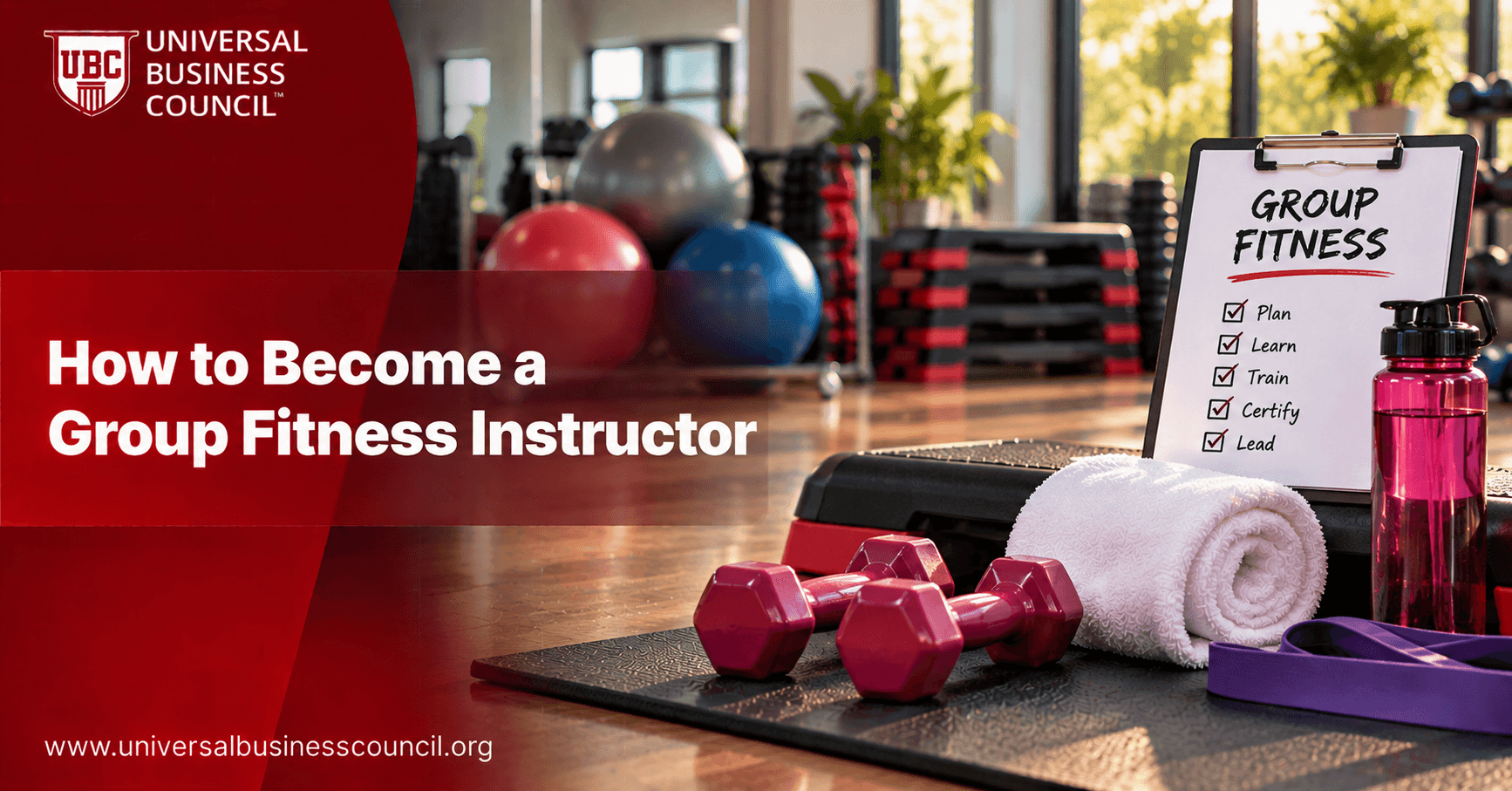
Passion for fitness gets people started, but it is not what gets them hired. Employers and participants look for recognized training, safe coaching, reliable conduct and the ability to lead a room of people with different abilities. This guide explains how to become a group fitness instructor, from choosing a class format and a certification to gaining teaching experience, meeting safety and legal requirements and building a reputation. It is general information, and requirements differ by country, employer and class type, so anyone planning this career should confirm what applies locally. For readers interested in leading classes, the certified group fitness professional certification is one recognized way to begin.
What does it take to become a group fitness instructor?
Becoming a group fitness instructor means completing the training and certification employers expect, gaining practical teaching experience and meeting the safety, insurance and legal requirements of the role. There is no single fixed route, and requirements vary by region and facility.

Most people follow a similar pattern: build personal fitness and knowledge, choose a format, complete a recognized course, practice teaching, secure a first position and keep learning. The sections below take each step in turn.
Step 1: Build a foundation
Before taking a course, it helps to be an active participant in group classes. Attending a variety of formats shows what good instruction looks like, how instructors cue and how a class flows. A basic understanding of exercise, anatomy and healthy habits helps, along with comfort speaking in front of others. Many people volunteer to lead small sessions among friends or colleagues to test their confidence early.
Step 2: Choose a format
Group fitness covers many styles, and choosing a direction shapes the training that follows. Options include strength and conditioning, cardio, dance-based classes, cycling, mind-body formats and low-impact classes for older adults. Some formats have specific branded training programs, while others rely on general group fitness certification. Think about which classes you enjoy, which are in demand locally and which suit your skills and energy.
Step 3: Get certified
Certification is the central qualification for most instructors.
Choosing a recognized certification
Many facilities expect a certification from a recognized body, and some list the ones they accept. Check what local employers want before enrolling, and ask providers how their certificate is recognized, what is assessed and how long it remains valid. Courses vary in length, cost and delivery, with some combining online learning and in-person practical assessment.
What a course typically covers
Typical content includes exercise science basics, class structure, cueing and teaching methods, modifications for different abilities, safety and injury prevention, music and timing, and professional conduct. Practical assessment often requires leading part of a class.
Specialist training
Instructors who want to teach children, older adults, pregnant participants or people with health conditions usually need extra qualifications. Do not teach these groups without the right training.
Step 4: Complete CPR and first aid training
Most employers expect group fitness instructors to hold current CPR and first aid certification, and some also expect training in using a defibrillator. Exercise classes involve exertion, and medical emergencies can happen. Choose a recognized course with hands-on practice, keep the certificate current and know the facility's emergency procedures.
Step 5: Gain teaching experience
Experience turns knowledge into skill. Useful ways to build it include:
Co-teaching or shadowing an experienced instructor
Teaching free or trial classes in community settings
Covering classes as a substitute instructor
Recording practice sessions and reviewing them
Asking for honest feedback from participants and managers
Early classes rarely feel perfect, and that is normal. Steady practice and feedback are what improve cueing, timing and presence.
Step 6: Understand insurance, contracts and legal basics
Instructors share responsibility for managing risk. Many facilities require liability insurance, particularly for independent contractors. Contracts should state whether you are an employee or contractor, how you are paid and who is responsible for insurance and equipment. Music licensing, child protection rules, participant waivers and workplace safety requirements differ by place, so confirm what applies and keep copies of your insurance, certificates and agreements.
Step 7: Prepare for credential and background checks
Employers want to be sure that instructors are qualified and safe to work with participants. They check certifications, CPR and first aid records and, for roles involving children or vulnerable people, background screening. Services such as HireValid support credential and background verification. Keep certificates current, make sure names and dates match across documents and be honest about your qualifications, since mismatches slow hiring and can raise questions that are easy to avoid.
Step 8: Find your first position
Start local. Gyms, studios, community centers, schools and workplaces often hire new instructors, and many run audition or trial classes. Prepare a short demonstration, bring copies of your certificates and be ready to talk about your style and the type of class you want to teach. Starting with a small number of classes and building up can be a good way to learn without overcommitting.
Use technology and build your reputation
Instructors now use apps for scheduling, music and attendance, and many run online or hybrid classes. Comfort with these tools helps, and some instructors build digital confidence through tech certifications. As artificial intelligence and secure data systems reach the fitness industry, deep tech certifications offer one way to understand how such technologies handle personal health data.
Reputation grows through reliability, quality and communication. Clear class descriptions, honest claims and a consistent online presence help participants find and trust you. A digital marketing course can help instructors promote classes effectively while keeping messages accurate and within legal and ethical limits.
Keep learning
Certifications usually require renewal through continuing education, and the best instructors keep refreshing their skills anyway. Attend workshops, learn new formats, take other instructors' classes and pay attention to participant feedback. Growth can lead to teaching more classes, training other instructors, managing programs or moving into related fitness roles.
Conclusion
Learning how to become a group fitness instructor means following a clear sequence. Build a foundation as a participant, choose a class format, complete a recognized certification and keep CPR and first aid training current. Gain teaching experience, understand insurance, contracts and legal basics and prepare for credential and background checks. Find a first position, use technology wisely and build a reputation through honest, reliable communication. Keep learning, because renewal and growth are part of the career. Confirm local requirements first, since they differ between places and employers.
Frequently asked questions
These are the questions people ask most when planning this career.
1. How do I become a group fitness instructor?
Choose a format, complete a recognized certification, get CPR and first aid training, gain teaching experience and meet employer requirements.
2. Do I need a certification?
Many facilities expect one from a recognized body, though requirements vary.
3. How do I choose a certification?
Check what local employers accept and ask providers how their certificate is recognized and how long it lasts.
4. How long does it take?
It depends on the course and your experience, from a short course to several months with practice.
5. Do I need CPR and first aid?
Most employers expect current certification, and sometimes defibrillator training.
6. Do I need to be very fit?
You need enough fitness to demonstrate safely, but teaching skill matters more than athletic ability.
7. How do I choose a class format?
Consider what you enjoy, what is in demand locally and what suits your skills and energy.
8. Can I teach without experience?
Many instructors start by shadowing, co-teaching or covering classes to build experience.
9. Do I need insurance?
Often, particularly if you are an independent contractor, so confirm what applies locally.
10. Am I an employee or a contractor?
It depends on the arrangement, and the contract should make it clear.
11. Do I need a background check?
Roles involving children or vulnerable people often require one, depending on local rules.
12. How do employers verify my credentials?
They check certificates and records, often with credential screening providers.
13. Can I teach children or older adults?
Only with the right additional training and qualifications.
14. What should I bring to an audition?
A short demonstration, copies of your certificates and a clear idea of your teaching style.
15. What is music licensing?
Permission to play music in classes, with rules that vary by place.
16. Can I teach online?
Yes, many instructors do, and the same safety and professional standards apply.
17. How do I promote my classes?
Use accurate class descriptions and realistic claims, and build a consistent online presence.
18. Does certification expire?
Most certifications need renewal, often through continuing education.
19. How can I keep improving?
Attend workshops, take other instructors' classes and act on participant feedback.
20. Where can I check requirements?
Ask local employers, certification bodies and any relevant regulator what applies to you.
Related Articles
View All
Health
Group Fitness Instructor vs Personal Trainer
Understand the key differences between a group fitness instructor and a personal trainer, including their responsibilities, training approaches, and work environments. Explore the qualifications, skills, and career opportunities for each role to determine which fitness career path best matches your interests and goals.
Health
What Is a Group Fitness Instructor?
Learn what a group fitness instructor does, including their key responsibilities, skills, and role in leading group exercise classes. Explore the types of fitness programs they teach, the qualifications needed, and how they help participants stay motivated, active, and committed to their fitness goals.
Health
Fitness Instructor Certification Requirements
Learn about fitness instructor certification requirements, including the qualifications, training, and credentials needed to pursue a career in fitness instruction. Explore certification options, CPR and first aid training, practical experience, and key factors to consider when choosing a recognized certification program.
Trending Articles
The Role of Blockchain in Ethical AI Development
How blockchain technology is being used to promote transparency and accountability in artificial intelligence systems.
AWS Career Roadmap
A step-by-step guide to building a successful career in Amazon Web Services cloud computing.
Top 5 DeFi Platforms
Explore the leading decentralized finance platforms and what makes each one unique in the evolving DeFi landscape.