

What Is a Group Fitness Instructor?
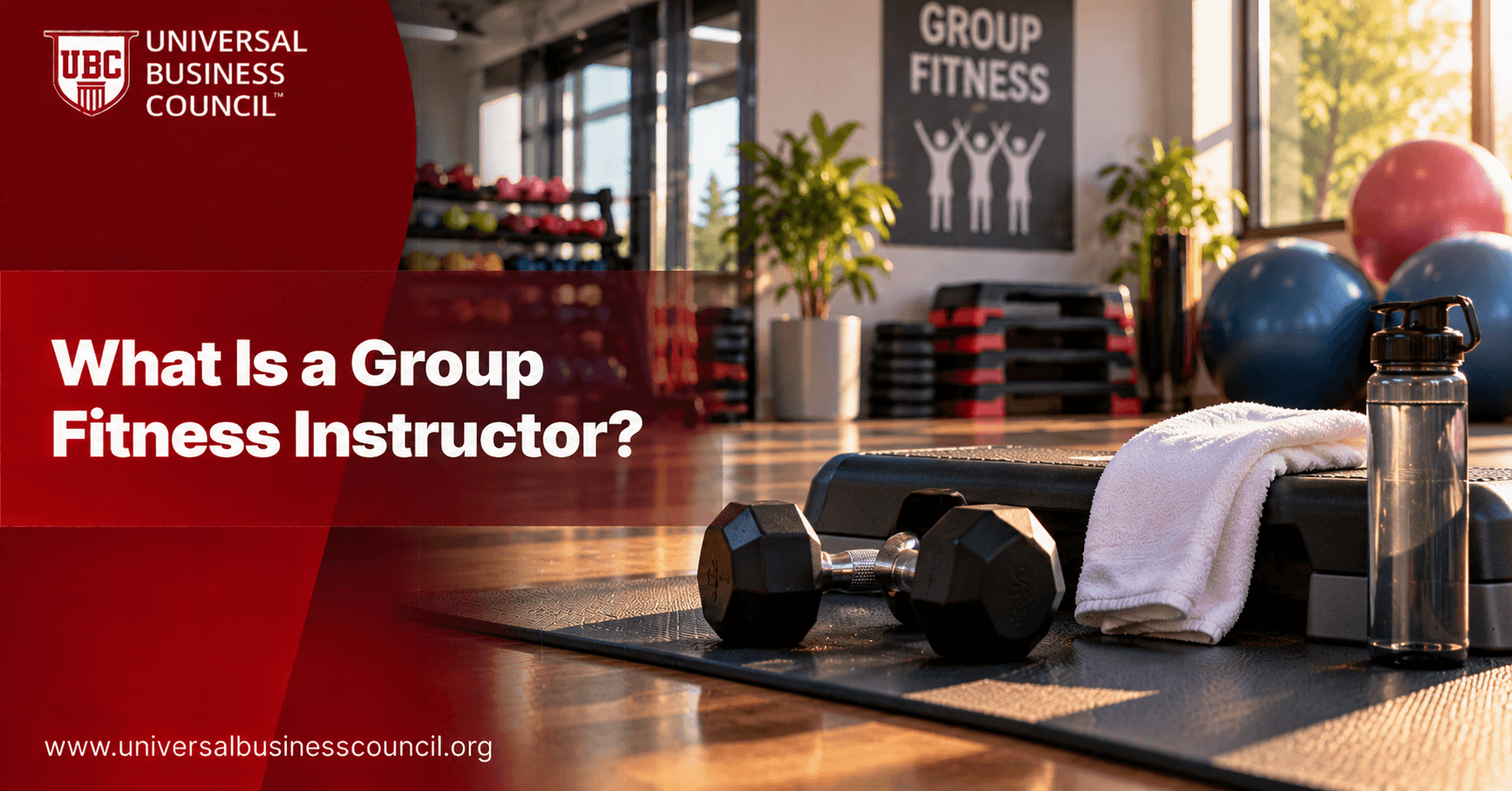
In a group class, one person leads and many follow, which makes the instructor responsible for the safety, energy and results of everyone in the room at once. A group fitness instructor does far more than count repetitions to music. They plan sessions, demonstrate and coach movement, watch for problems, adapt exercises and keep a diverse group of people engaged and safe. This guide explains what a group fitness instructor is, what the job involves, the skills and qualifications behind it, and the safety, legal and compliance responsibilities that come with it. It is general information, and requirements vary by region and employer. Anyone planning a career in fitness instruction can also look at the certified group fitness professional certification as a practical starting point.
What is a group fitness instructor?
A group fitness instructor is a trained professional who leads exercise classes for multiple participants at the same time. Classes can range from cardio and strength sessions to mind-body formats and dance-based workouts, and they take place in gyms, studios, community centers, workplaces, schools and online.

The role combines coaching, teaching and leadership. Instructors design the session, explain and demonstrate movements, adjust intensity for different abilities and create an atmosphere in which people feel welcome and motivated to return.
What a group fitness instructor does
Responsibilities differ between facilities, but most instructors handle a similar set of tasks. These include:
Planning classes with a safe warm-up, main section and cool-down
Demonstrating exercises and giving clear cues
Offering easier and harder options for different fitness levels
Watching participants and correcting technique
Setting up and checking equipment and the space
Keeping accurate records and following facility policies
Behind the scenes, instructors also prepare music and routines, keep up with new training methods and communicate with facility managers about schedules, feedback and incidents.
Skills that make a good instructor
Technical knowledge is only part of the job. Strong instructors combine several kinds of skill.
Technical and safety knowledge
Instructors need a working understanding of safe exercise technique, basic anatomy, how to structure a session and how to modify movements. They also need to know the limits of their role, which means not diagnosing injuries or giving medical advice.
Communication and leadership
Clear cueing, a confident voice and an inclusive style help participants of all levels feel comfortable. Good instructors read the room, adjust the pace and make sure no one feels left behind.
Professional conduct
Punctuality, reliability, respectful behavior and attention to participants' privacy are part of the job. Participants trust instructors with their bodies and their personal information, so professionalism matters.
Where group fitness instructors work
Instructors work in many settings, and many work across several at once. Gyms and fitness studios are the most common, but community centers, schools, universities, corporate wellness programs, retirement communities and online platforms also hire them. Some are employees, while many are independent contractors who teach at multiple venues, which affects insurance, contracts and tax responsibilities.
Qualifications and certification
Requirements vary by country, employer and class type. Many facilities expect a recognized group fitness certification, and most expect current CPR and first aid training, and sometimes defibrillator training. Specialized formats, such as certain mind-body or dance-based classes, often have their own training. Instructors who work with children, older adults or people with health conditions may need additional qualifications. It is important to check what the employer and any regulator expect before investing in a course.
Safety, scope of practice and screening
Safety is central to the role. Instructors should know the facility's emergency procedures, the location of first aid equipment and defibrillators and how to call for help. Many facilities use a health screening questionnaire to identify participants who may need medical advice before exercising. Instructors do not diagnose, treat or prescribe, and they refer participants to qualified professionals when health concerns arise. Staying within scope of practice protects participants and the instructor.
Insurance, contracts and legal basics
Instructors and facilities share responsibility for managing risk. Common elements include liability insurance, signed participant waivers or terms where used, clear contracts that define the instructor's status and duties, and compliance with local laws on music licensing, child protection and workplace safety. Requirements differ by place, so instructors should confirm what applies and keep copies of insurance and agreements. Independent contractors in particular should understand their own tax and insurance obligations.
Credential checks and background screening
Facilities that employ instructors want to be sure about qualifications and, where relevant, background. They check certifications, first aid and CPR records and, for roles involving children or vulnerable people, background screening. Services such as HireValid support credential and background verification. Instructors make hiring smoother by keeping certificates current, accurate and easy to produce.
Technology in group fitness
Technology now supports class booking, attendance records, music, video classes and wearable heart rate tracking. Instructors who are comfortable with these tools run smoother classes and handle participant data more carefully. Some build those skills through tech certifications. As artificial intelligence and secure data systems reach the fitness industry, deep tech certifications offer one way to understand how such technologies handle personal health data.
Promoting classes honestly
Instructors and studios need participants, and clear communication helps. Class descriptions should be accurate about intensity, level and what to expect, and claims about results should be realistic and avoid promising outcomes that cannot be guaranteed. A digital marketing course can help instructors and studios promote classes online while keeping messages within legal and ethical limits.
Conclusion
A group fitness instructor leads exercise classes for multiple participants, planning sessions, demonstrating and coaching movement, adapting exercises and keeping everyone safe and engaged. The role calls for technical knowledge, communication and professionalism, supported by recognized certification and current CPR and first aid training. Safety, health screening and a clear scope of practice protect participants, while insurance, contracts, music licensing and child protection rules protect instructors and facilities. Employers verify credentials, and honest promotion builds trust. For anyone drawn to leading others in movement, understanding these responsibilities is the first step toward doing the job well.
Frequently asked questions
These are the questions people ask most about the role.
1. What is a group fitness instructor?
A trained professional who leads exercise classes for several participants at the same time.
2. What does a group fitness instructor do?
Plans classes, demonstrates and coaches exercises, adapts them for different levels and keeps participants safe.
3. Where do group fitness instructors work?
Gyms, studios, community centers, schools, workplaces, retirement communities and online platforms.
4. Do instructors need a certification?
Many facilities expect a recognized group fitness certification, though requirements vary.
5. Do instructors need CPR and first aid?
Most facilities expect current CPR and first aid training, and sometimes defibrillator training.
6. What skills are important?
Technical knowledge, clear cueing, leadership, adaptability and professional conduct.
7. What is scope of practice?
It is the boundary of what an instructor may do, which excludes diagnosing, treating or prescribing.
8. Can instructors give medical advice?
No. They should refer participants to qualified health professionals.
9. What is health screening?
A questionnaire used to identify participants who may need medical advice before exercising.
10. Do instructors need insurance?
Often yes, particularly independent contractors, so confirm what applies locally.
11. Are instructors employees or contractors?
Both arrangements exist, and the status affects insurance, contracts and tax responsibilities.
12. What is music licensing?
Permission to play music in classes. Rules vary by place, so facilities and instructors should check.
13. Do instructors need background checks?
Roles involving children or vulnerable people often require them, depending on local rules.
14. How do employers verify credentials?
They check certificates and training records, often with credential screening providers.
15. Can instructors teach more than one type of class?
Yes, if they hold the right training for each format and meet facility requirements.
16. How do instructors handle different fitness levels?
By offering easier and harder options and watching participants closely.
17. What happens in an emergency?
Instructors follow the facility's emergency procedures, call for help and give first aid within their training.
18. How is technology used?
For booking, attendance records, music, video classes and heart rate tracking.
19. How should classes be promoted?
With accurate descriptions and realistic claims that avoid guaranteeing results.
20. How do I start a career as an instructor?
Check employer and regulator requirements, choose a recognized certification and complete CPR and first aid training.
Related Articles
View All
Health
Group Fitness Instructor vs Personal Trainer
Understand the key differences between a group fitness instructor and a personal trainer, including their responsibilities, training approaches, and work environments. Explore the qualifications, skills, and career opportunities for each role to determine which fitness career path best matches your interests and goals.
Health
How to Become a Group Fitness Instructor
Learn how to become a group fitness instructor, from developing your fitness knowledge to earning relevant certifications and gaining practical experience. Explore the essential skills, qualifications, training options, and career steps needed to lead group exercise classes and help participants achieve their fitness goals.
Health
Fitness Instructor Certification Requirements
Learn about fitness instructor certification requirements, including the qualifications, training, and credentials needed to pursue a career in fitness instruction. Explore certification options, CPR and first aid training, practical experience, and key factors to consider when choosing a recognized certification program.
Trending Articles
The Role of Blockchain in Ethical AI Development
How blockchain technology is being used to promote transparency and accountability in artificial intelligence systems.
AWS Career Roadmap
A step-by-step guide to building a successful career in Amazon Web Services cloud computing.
Top 5 DeFi Platforms
Explore the leading decentralized finance platforms and what makes each one unique in the evolving DeFi landscape.