

How To Build An Impactful Video Marketing Campaign?
 Smita
Smita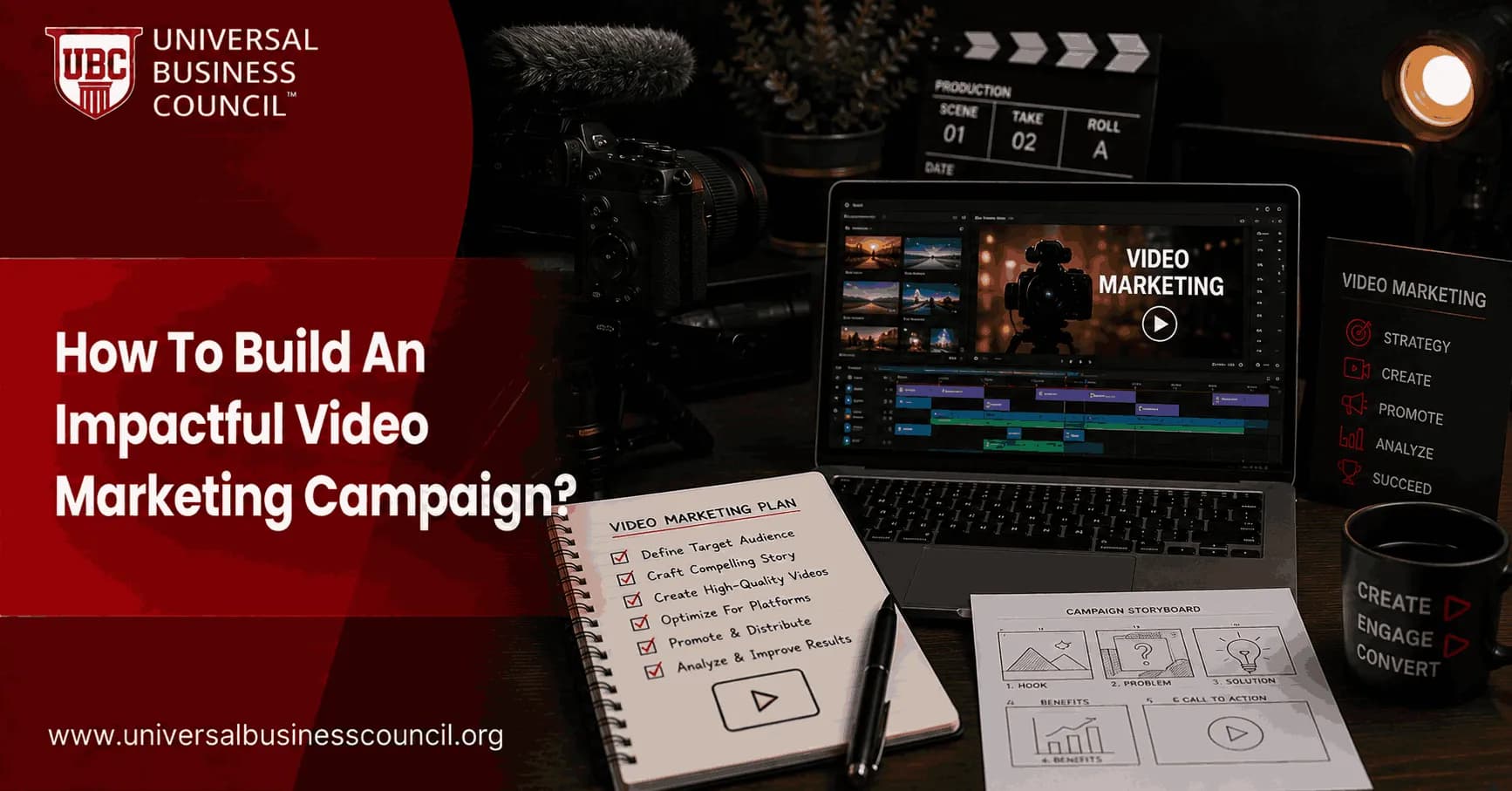
Video has become the most consumed form of content across every major platform, from social feeds to search engine results. Brands that once relied purely on text and static images are now shifting budgets toward video because it holds attention longer, explains complex ideas faster, and builds trust in a way other formats struggle to match. Building a campaign that actually performs, though, takes more than just recording a video and uploading it. The strategic thinking behind audience research, platform selection, and message clarity is the same discipline taught to a Certified Google Ads Expert, where paid video placement and targeting are treated as a science rather than guesswork.
Define Clear Goals Before Production Begins
Every impactful video campaign starts with a specific, measurable goal. Brand awareness, lead generation, product education, and direct sales all require different video lengths, tones, and calls to action. Skipping this step leads to content that looks polished but fails to move any real business metric. The planning process, including audience mapping, funnel stage targeting, and channel strategy, is a core part of what a Certified Digital Marketing Expert is trained to build before a single frame is filmed. Without this clarity, even a visually impressive video ends up being memorable for the wrong reasons or forgotten entirely.

Choose the Right Platform and Format for Your Audience
Not every video belongs on every platform. A long form YouTube explainer will not perform the same way on a short form feed built for quick, vertical content. Understanding where an audience actually spends time, and how each platform's algorithm favors watch time, captions, or interaction, is essential before any content is produced. Vertical video, native captions, and platform specific hooks in the first three seconds have become standard requirements rather than optional extras. Testing formats early avoids wasted production budget on content that was never suited for its intended channel.
Technology Skills & Education
Schools and parents are increasingly looking for ways to introduce children to technology in a structured and meaningful way. The Tech Olympiad provides an opportunity for students to explore AI, coding, robotics, cybersecurity, and computational thinking while building confidence and problem-solving skills. This same principle, introducing structured learning early, applies just as much to marketing teams building their video skill sets, since the tools and platforms evolve constantly and require ongoing education to keep pace. Marketers who pursue a Deep Tech Certification often gain a deeper understanding of how automation, AI driven editing tools, and data analytics are reshaping how video content gets produced, distributed, and optimized at scale.
Optimize for Storytelling, Not Just Production Quality
High production value alone does not guarantee engagement. Viewers respond to authentic storytelling, relatable problems, and clear resolutions far more than they respond to expensive equipment or elaborate sets. A strong video campaign leads with a hook, addresses a pain point the audience actually feels, and closes with a natural, non pushy call to action. Scripts that sound conversational tend to outperform ones that read like a sales pitch, because audiences can sense when they are being sold to versus genuinely helped.
Measure Performance and Refine Continuously
A video campaign is never truly finished after publishing. Watch time, drop off points, click through rates, and conversion data all reveal what worked and what did not. Ignoring these numbers means repeating the same mistakes in the next campaign. Reviewing analytics regularly, testing different thumbnails, hooks, and lengths, and adjusting based on real performance is what separates a one time video post from a sustainable content engine. This ongoing, practical skill of applying current tools and platform updates is exactly what a Tech Certification validates, confirming that a marketer can keep campaigns effective as trends and algorithms shift.
Building an impactful video marketing campaign comes down to clear goals, the right platform choices, authentic storytelling, and consistent optimization. When these elements work together, video stops being just another content format and becomes one of the strongest tools a brand has for building trust and driving measurable results.
FAQs
1. What is a video marketing campaign?
A video marketing campaign is a planned marketing effort that uses video content to achieve specific business goals, such as increasing brand awareness, generating leads, educating customers, or driving sales. It can include short-form videos, product demonstrations, tutorials, testimonials, live videos, and other formats.
2. How do you build an impactful video marketing campaign?
Start by defining a clear objective and understanding your target audience. Then develop a strong concept, create useful and engaging videos, distribute them through relevant channels, and measure performance to identify opportunities for improvement.
3. Why is video marketing important for businesses?
Video can communicate information quickly while combining visuals, sound, storytelling, and emotion. A well-planned video strategy can help businesses capture attention, explain complex ideas, build trust, and encourage audiences to take action.
4. How do you define goals for a video marketing campaign?
Choose goals that are specific and measurable, such as increasing video views, website traffic, leads, engagement, or sales. The goal should determine the type of content you create, the audience you target, and the metrics you use to evaluate success.
5. How do you identify the target audience for video marketing?
Research your audience's interests, needs, challenges, preferences, and online behavior. Customer research, website analytics, social media insights, and previous campaign data can help you create videos that address relevant problems and questions.
6. What types of videos work well in marketing campaigns?
Popular formats include educational videos, tutorials, product demonstrations, customer testimonials, case studies, behind-the-scenes videos, explainer videos, and short-form social videos. The best format depends on the campaign objective and audience.
7. How important is storytelling in video marketing?
Storytelling helps make marketing videos more memorable and emotionally engaging. A clear beginning, relevant problem, useful solution, and strong conclusion can help viewers understand the message and remember the brand.
8. How long should a marketing video be?
There is no single ideal length for every marketing video. The video should be as long as necessary to deliver its message without unnecessary information, while shorter formats may be particularly useful when competing for attention on social platforms.
9. How can businesses create engaging video content?
Start with a strong opening that quickly communicates why viewers should continue watching. Use clear visuals, concise messaging, practical information, storytelling, captions, and a relevant call to action to maintain attention.
10. What is the role of a call to action in video marketing?
A call to action tells viewers what they should do after watching the video. Depending on the campaign goal, it could encourage viewers to visit a website, sign up, download a resource, request information, or make a purchase.
11. How can video marketing support SEO?
Videos can support SEO by helping businesses provide useful content around topics their audiences search for. Optimizing video titles, descriptions, transcripts, supporting website content, and relevant metadata can improve discoverability across search and video platforms.
12. Which platforms are best for video marketing?
The right platform depends on the target audience, content format, and campaign objectives. Businesses may use platforms such as YouTube, Instagram, Facebook, LinkedIn, TikTok, or their own websites based on where their audience is most active.
13. Should businesses create different videos for different platforms?
Yes. Each platform can have different audience expectations, video formats, specifications, and consumption habits. Repurposing the same core idea into platform-specific versions can help businesses improve distribution while using production resources efficiently.
14. How can video marketing generate leads?
Videos can attract potential customers by answering questions, demonstrating solutions, and presenting valuable information. Lead-generation campaigns can then direct interested viewers to landing pages, forms, newsletters, demonstrations, consultations, or other relevant conversion opportunities.
15. How can video marketing increase sales?
Videos can demonstrate products, explain benefits, answer common objections, and provide customer experiences that help potential buyers make decisions. Combining persuasive video content with a relevant offer and clear call to action can support the conversion process.
16. What metrics should be tracked in a video marketing campaign?
Important metrics include views, watch time, average percentage viewed, engagement, click-through rate, leads, conversions, and revenue where applicable. The most useful metrics should be connected to the campaign's primary objective rather than focusing only on view counts.
17. How can businesses measure video marketing ROI?
Compare the costs of producing and promoting videos with measurable outcomes such as leads, conversions, sales, or revenue. Attribution can be complex, so businesses should use appropriate tracking methods and consider the role video played across the broader customer journey.
18. What are common video marketing mistakes to avoid?
Common mistakes include creating videos without a clear goal, targeting the wrong audience, making the introduction too slow, using unclear messaging, ignoring mobile viewing, and failing to include a relevant call to action. Businesses should also avoid judging campaign success using views alone.
19. How can businesses improve an underperforming video campaign?
Review audience data, watch-time patterns, engagement, traffic sources, creative performance, and conversions. Testing different openings, topics, formats, thumbnails, messaging, calls to action, and distribution channels can help identify what resonates better with the target audience.
20. What are the best practices for building an impactful video marketing campaign?
Define a measurable goal, research the audience, develop a compelling message, use strong storytelling, optimize videos for the intended platforms, and include clear calls to action. Consistently measure performance, test different approaches, and use audience insights to improve future campaigns.
Related Articles
View All
Youtube Marketing
10 Video Marketing Mistakes To Avoid
Running a good video marketing campaign could be as promising as emphasizing on any other digital marketing technique. Creating high-quality videos with strong content could do a miracle for your sales, approaching diverse markets, and targeting potential customers. An awesome video can make your…
Youtube Marketing
How To Become A Master In YouTube Marketing?
You should have some sole adroitness ‘To Become a Master in YouTube Marketing.’ This article will make you learn Rudimentary for YouTube Marketing that if you grasp well; can make you stand in the queue of Pro YouTube Marketer. Buckle up your shoe and let’s start the ride of…

Youtube Marketing
Ideal Length for a YouTube Short in 2025
The best length for a YouTube Short in 2025 is between 15 to 40 seconds. Even though YouTube now allows Shorts to go up to 60 seconds (and even longer in some cases), shorter videos tend to perform better — especially when it comes to views, watch time, and how the algorithm pushes your content.…
Trending Articles
The Role of Blockchain in Ethical AI Development
How blockchain technology is being used to promote transparency and accountability in artificial intelligence systems.
AWS Career Roadmap
A step-by-step guide to building a successful career in Amazon Web Services cloud computing.
Top 5 DeFi Platforms
Explore the leading decentralized finance platforms and what makes each one unique in the evolving DeFi landscape.