

How to Build a Customer Engagement Strategy
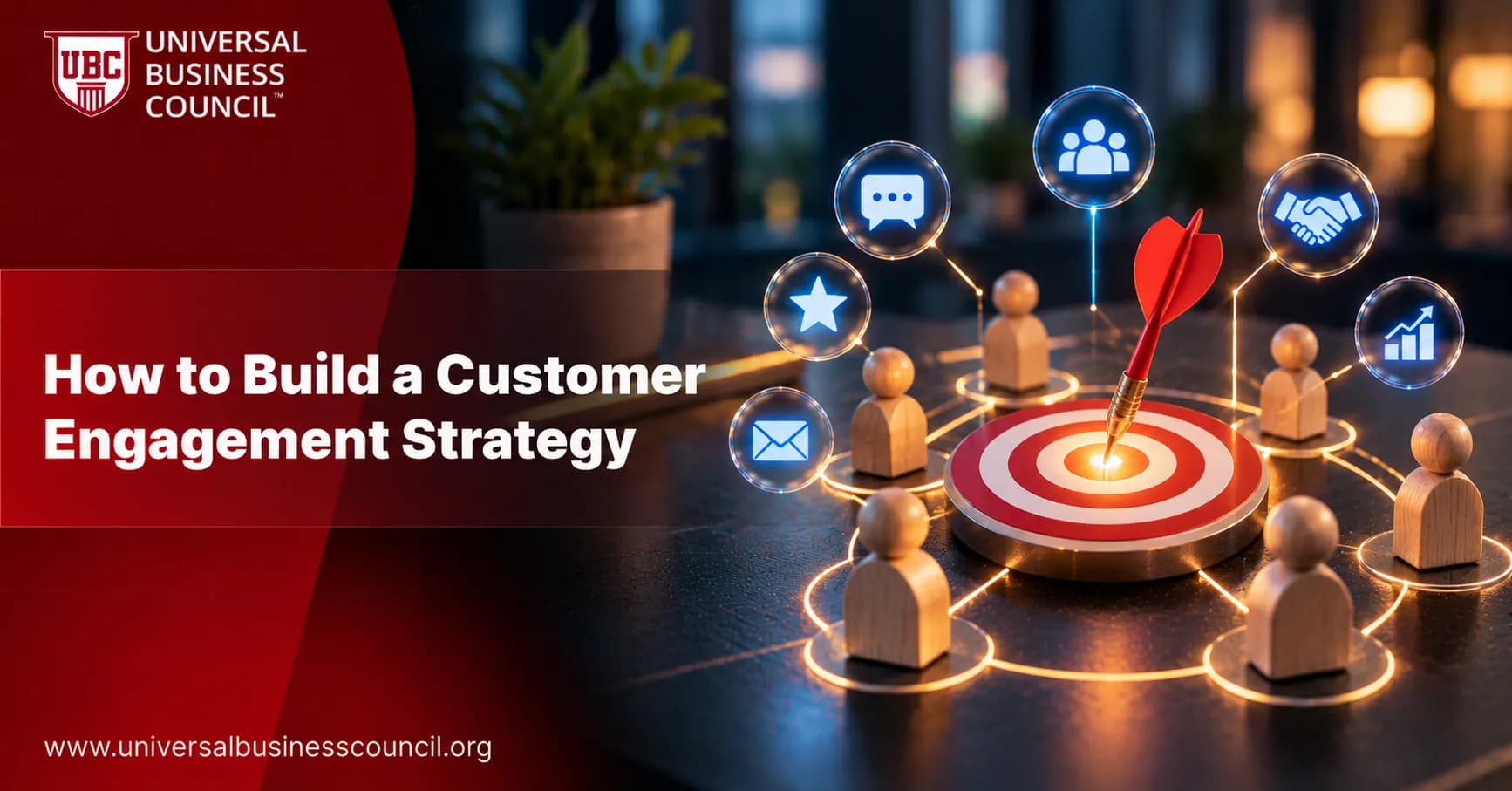
Start with one customer, not one channel. That is the quickest fix for most weak engagement plans, which begin with "we should be on more platforms" and end with a busy calendar and little to show for it. A customer engagement strategy works the other way around: it starts with who your customers are and what they want, then picks the moments, messages, and channels that help. This guide walks through how to build a customer engagement strategy step by step, with a marketing lens throughout. And if you want formal training in the customer side of the business, the Certified Customer Success Professional certification is a strong place to start.
What Is a Customer Engagement Strategy?
A customer engagement strategy is a plan for how your business will interact with customers over time so they stay interested, get value, and keep coming back. It answers a few plain questions:

Who are our customers, and what do they want to achieve?
Where and when should we connect with them?
What should we say, offer, or help with?
How will we know it is working?
It differs from a campaign. A campaign is a burst of activity with an end date. A strategy is the thinking that connects many campaigns, conversations, and touchpoints into one steady relationship.
Why You Need One
Without a plan, engagement happens by accident. Some customers get five emails a week, others hear nothing for months, and nobody notices who is drifting away. A clear strategy keeps the effort focused and fair.
It also protects your marketing spend. Winning a customer costs money, and losing one wastes it. Engaged customers stay longer, buy more, and bring friends, which makes future campaigns cheaper and more believable. Marketers who understand retention, and not only reach, plan smarter. A digital marketing expert certification is one way to build that wider view of the customer journey. Getting attention is half the job. Keeping it is the other half.
How to Build a Customer Engagement Strategy, Step by Step
Step 1: Set clear goals
Pick one or two goals, not ten. Good examples are lower churn in the first 90 days, more feature adoption, or more repeat purchases. A clear goal tells you what to build first and what can wait.
Step 2: Learn your customers
Talk to real people. Ask why they bought, what they hoped to achieve, and where they got stuck. Then read support tickets, reviews, survey replies, and usage data. Marketing teams often hold campaign feedback that is pure gold here.
Step 3: Segment your audience
Different customers need different attention. Group them in ways that matter:
By stage: new, active, at risk, loyal
By value: large accounts, mid-size, small
By need: what they use the product for
By behavior: how often they log in or buy
Step 4: Map the customer journey
List the stages a customer moves through, such as onboarding, adoption, renewal, expansion, and advocacy. Mark the moments that matter most, like the first week and the 60 days before renewal. These are the moments where engagement counts the most.
Step 5: Choose your channels
Be useful where customers already are. Common options include email, in-app messages, social media, calls, webinars, events, and communities. Start with two or three and do them well. Spreading thin helps nobody.
Step 6: Plan your content and conversations
Decide what you will actually say. Useful ideas include quick tips, how-to guides, success stories, check-in messages, and invitations to events. Aim for help first and selling second. A good rule is that most messages should make the customer's life easier.
Step 7: Personalize where it counts
Use names, behavior, and goals to make messages relevant. A customer who has not tried a key feature should hear about it. A customer who has mastered it should hear about something new.
Step 8: Build triggers and playbooks
Write simple rules for repeat situations. For example, when usage drops for two weeks, a customer success manager reaches out. When a customer hits a milestone, send a congratulations and a next step. Keep each playbook to one page.
Step 9: Assign owners and tools
Every part of the plan needs a person. Most teams use a CRM, an email platform, survey tools, product analytics, and a customer health dashboard. Start with what you already have.
Step 10: Measure, learn, and adjust
Review results every month or quarter. Keep what works, fix what does not, and drop what is only noise.
Metrics That Show It Is Working
Product usage and feature adoption
Repeat purchase or renewal rate
Email and message response rates
Net Promoter Score (NPS)
CSAT
Customer health score
Churn rate
Customer health score
This combines usage, support tickets, survey results, and engagement into one signal. A falling score gives your team time to step in before the customer leaves.
Net revenue retention
When this passes 100%, existing customers are spending more than you lose to churn. It is a strong sign your strategy is paying off.
Tools and Skills Behind the Strategy
A strategy needs people who listen well, write clearly, and plan ahead. Tools help scale the care, but they do not replace it. Many products are technical, and the people supporting customers need to understand them. Picking up tech certifications helps teams speak the same language as technical users and answer questions with confidence.
A Simple 90-Day Starter Plan
Days 1 to 30: talk to customers, review data, set goals, and map the journey
Days 31 to 60: segment customers, pick channels, and write the first playbooks
Days 61 to 90: launch with a small group, measure, and fix what is clunky
You will not get everything right the first time. That is fine. The review at day 90 is part of the strategy.
Customer Engagement Strategy in Action: Brand-Style Examples
Here are a few general pictures, kept hypothetical on purpose.
A software company: sends tips on features a customer has not tried and invites them to a short training.
A subscription box brand: notices skipped deliveries and offers a lighter plan before the customer cancels.
A fitness app: sends a goal-based nudge to a member who has gone quiet.
An online course platform: checks in with learners who stopped halfway and suggests a shorter path.
Each one shows marketing and customer success working together. The promise in the campaign is kept in the experience.
Common Mistakes to Avoid
Starting with channels instead of customers. Know who you serve first.
Sending the same message to everyone. Segment by need.
Talking only when selling. Add value between offers.
Tracking too many numbers. Pick a few that matter.
Having no owner. Shared responsibility often means none.
Never reviewing. Customers and products change.
For businesses hiring customer engagement and customer success professionals, HireValid can support the recruitment process through background verification, helping employers make more informed hiring decisions.
Where Customer Engagement Strategy Is Heading
AI is already changing the work. Tools can personalize messages, predict which customers are drifting, and answer routine questions around the clock. That frees people for conversations that need empathy and judgment.
Products are also getting more advanced, built on AI, blockchain, and other fast-moving tech. Teams that understand what they support build more trust. Exploring deep tech certifications is one way to keep pace. Technology can spot a drifting customer. A person still has to care enough to reach out.
Conclusion
So, how do you build a customer engagement strategy? Start with customers, not channels. Set one or two clear goals, learn who your customers are and what they want, and segment them by stage, value, need, and behavior. Map the customer journey, choose a few channels, and plan content that helps first and sells second. Personalize where it counts, write simple triggers and playbooks for repeat situations, and give every part of the plan an owner and the right tools.
Then measure what matters. Usage, renewals, response rates, NPS, CSAT, customer health score, churn rate, and net revenue retention show whether engagement is turning into loyalty. Review every month or quarter, and use a simple 90-day plan to get moving without waiting for perfection.
Marketing and customer success work best together. Marketing makes the promise, customer success keeps it, and happy customers become reviews, referrals, and case studies. Avoid the common traps, like starting with channels, sending one message to everyone, or never reviewing. As AI takes over routine tasks, the human side of engagement becomes more valuable, not less. A good strategy is not about being everywhere. It is about showing up for the right customer at the right moment with something useful.
FAQs
1. What is a customer engagement strategy?
It is a plan for how your business interacts with customers over time so they stay interested and get value.
2. How do you build a customer engagement strategy?
Set goals, learn your customers, segment them, map the journey, choose channels, plan content, and measure results.
3. Why do I need a customer engagement strategy?
It keeps efforts focused, protects marketing spend, and helps you spot customers who are drifting.
4. What is the first step?
Set one or two clear goals, then learn who your customers are.
5. How do I segment customers?
Group them by stage, value, need, or behavior.
6. Which channels should I use?
Start with two or three where your customers already are, such as email, in-app messages, and calls.
7. What content works best?
Helpful tips, how-to guides, success stories, check-ins, and event invitations.
8. How do I personalize engagement?
Use names, behavior, and goals to make each message relevant.
9. What is a playbook?
It is a short guide for a repeat situation, such as a drop in usage or a renewal.
10. Which metrics should I track?
Usage, renewal rate, response rates, NPS, CSAT, health score, and churn rate.
11. What is a customer health score?
It is a combined signal of usage, feedback, and engagement that shows how an account is doing.
12. What is net revenue retention?
It measures revenue kept and grown from existing customers, after counting losses and upgrades.
13. Who owns the strategy?
Often marketing or customer success leads, with product and support involved.
14. How often should I review the strategy?
At least every quarter, or sooner if customer needs change.
15. How long does it take to see results?
Early signals can show within a few months, while retention gains build over time.
16. Can small businesses build one?
Yes. A simple plan with personal follow-ups and useful content works well.
17. How is it different from a marketing campaign?
A campaign has an end date. A strategy connects many touchpoints into a steady relationship.
18. What tools help?
CRMs, email platforms, survey tools, product analytics, and health dashboards.
19. What are common mistakes?
Starting with channels, sending one message to all, and never reviewing results.
20. How is AI changing engagement strategy?
AI personalizes messages and predicts drift, leaving people to handle deeper conversations.
Related Articles
View All
Business
How to Build a Customer Success Strategy
Learn how to build an effective customer success strategy, from defining customer goals and improving onboarding to tracking success metrics and strengthening long-term customer relationships.

Business
Customer Engagement vs Customer Experience: What Sets Them Apart and Why Both Need Guardrails
Customer engagement and customer experience are closely connected, but they serve different purposes. Learn how they differ, how they influence customer loyalty and retention, and why businesses need clear guardrails to manage both effectively.

Business
What Is Customer Engagement and Why Does It Matter?
Discover what customer engagement means, why it matters for business growth, and how companies can use effective strategies to strengthen customer relationships, improve satisfaction, and encourage long-term loyalty.
Trending Articles
The Role of Blockchain in Ethical AI Development
How blockchain technology is being used to promote transparency and accountability in artificial intelligence systems.
AWS Career Roadmap
A step-by-step guide to building a successful career in Amazon Web Services cloud computing.
Top 5 DeFi Platforms
Explore the leading decentralized finance platforms and what makes each one unique in the evolving DeFi landscape.