

Customer Onboarding Best Practices

If you could ask only one question about a new customer, ask how long it took them to get their first win. The answer says more about their future than any survey. That is the idea behind customer onboarding best practices: a clear path that takes someone from "just signed up" to "this is working for me" fast enough that they never wonder whether they made a mistake. This guide covers the practices that matter, the numbers that prove them, and the marketing thinking that keeps the promise made in your campaign alive after checkout. If you want formal training in this area, the Certified Customer Success Professional certification is a strong place to start.
What Is Customer Onboarding?
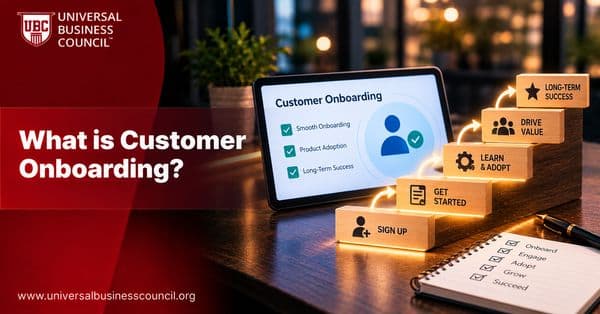
Customer onboarding is the process of helping a new customer set up, learn, and start getting value from what they bought. It begins when the deal closes and ends when the customer is using the product on their own and seeing results.

A good onboarding process has a few clear goals:
Get the customer set up correctly
Show them how to reach a first win quickly
Build habits that keep them using the product
Learn what they want to achieve
Hand them smoothly into ongoing customer success
Think of it as the first chapter of the relationship. If it is confusing, the rest of the book rarely gets read.
Why Onboarding Matters for Retention and Growth
Customers rarely leave with a bang. They fade out, and the fade usually starts in the first few weeks. A customer who never reaches a first win has little reason to stay, renew, or recommend you.
There is a marketing reason too. Marketing makes a promise, and onboarding is where that promise is kept or broken. If a campaign says "effortless" and the setup takes three confusing emails, people notice. Strong onboarding turns new buyers into customers who leave reviews, agree to case studies, and refer others, which makes future campaigns cheaper and more believable.
Marketers who understand retention, and not only reach, plan smarter. A digital marketing expert certification is one way to build that wider view of the customer journey. Getting attention is half the job. Keeping it is the other half.
Customer Onboarding Best Practices
1. Start before the contract is signed
Good onboarding begins in the sales conversation. Sales should record what the customer wants to achieve, who the key people are, and any promises made. That note travels with the customer so nobody has to ask the same questions twice.
2. Define success in the customer's own words
"Save two hours a week" and "grow repeat orders" lead to very different onboarding plans. Ask early, write it down, and check it again at each milestone.
3. Aim for a quick first win
Do not try to teach everything at once. Pick one small result the customer can reach in the first days, such as sending a first campaign or completing a first report. Early wins build confidence and momentum.
4. Build a simple plan with milestones
A short, visible plan beats a vague promise to "get started." A basic version looks like this:
Day 1: welcome message and setup checklist
Week 1: kickoff call and first win
Week 2: training on the key features
Day 30: review of progress against the customer's goal
5. Personalize by customer type
A small team and a large company need different onboarding. Group customers by size, goal, or product plan. High-value accounts can get a dedicated guide, while smaller ones can use email sequences, short videos, and a help center.
6. Keep communication clear and predictable
Tell customers what happens next, who to contact, and when to expect the next step. Short messages with one clear action work better than long ones with five.
7. Teach in small pieces
People learn faster in short bursts than in a long session. Use quick guides, short videos, and focused calls instead of one marathon training.
8. Check in at set points
Do not wait for customers to raise a hand. Check in around day 7, day 14, and day 30. These moments catch confusion before it turns into silence.
9. Ask for feedback early
A two-question survey after the first win tells you what worked and what felt clumsy. Fix the same problem for every future customer.
10. Hand off cleanly into ongoing success
Onboarding should end with a clear moment: here is what you have achieved, here is what comes next, and here is who will guide you. Without it, customers drift into a gap between onboarding and everyday support.
Metrics That Show Onboarding Is Working
Numbers keep onboarding honest. These are the ones most teams watch:
Time to first value
Onboarding completion rate
Early product adoption
Early churn in the first 90 days
CSAT or NPS at the 30-day mark
Customer health score
Time to first value
This is how long it takes a new customer to reach their first meaningful result. Shorter is usually better, and it is the clearest sign your onboarding is working.
Customer health score
This combines usage, support tickets, survey results, and engagement into one signal. A weak score in the first weeks tells you to step in before the customer leaves.
Tools and Skills Behind Great Onboarding
Onboarding runs on people skills first: listening, clear explanation, patience, and good planning. Tools make it repeatable. Most teams use a CRM, a project or checklist tool, a survey tool, and a simple dashboard for usage.
Many customers also buy technical products, so the people guiding them need to understand what they are teaching. Picking up tech certifications helps onboarding specialists speak the same language as technical users and answer questions with confidence.
Onboarding in Action: Brand-Style Examples
Here are a few general pictures of what this looks like, kept hypothetical on purpose.
A software company: sends a short setup checklist on day one, runs a kickoff call in week one, and reviews usage at day 30.
A subscription box brand: sends a welcome guide with simple tips for the first delivery and checks in after the first box arrives.
A fitness app: helps a new member set one goal in the first session and sends a gentle nudge if they go quiet.
An online course platform: guides new learners to finish a first short lesson within a day.
Each one shows marketing and customer success working together. The promise in the campaign is kept in the experience.
Common Onboarding Mistakes to Avoid
Teaching everything at once. Focus on the first win.
Treating every customer the same. Segment your approach.
Losing the sales notes. Customers hate repeating themselves.
Going silent after setup. Silence often means trouble.
Skipping feedback. You cannot fix what you never hear about.
Never updating the process. Customers and products change.
Where Customer Onboarding Is Heading
AI is already changing the work. Tools can personalize onboarding paths, flag customers who are stuck, and answer routine setup questions at any hour. That frees people for the conversations that need empathy and judgment.
Products are also getting more advanced, built on AI, blockchain, and other fast-moving tech. Teams that understand what they are onboarding customers into earn more trust. Exploring deep tech certifications is one way to keep pace. Technology can spot a stuck customer. A person still has to care enough to help.
Conclusion
Customer onboarding best practices come down to one idea: help new customers win quickly, then keep helping. It starts before the contract is signed, with clear notes on goals and promises. It defines success in the customer's own words, aims for a quick first win, and follows a simple plan with milestones at day 1, week 1, week 2, and day 30. It personalizes by customer type, keeps communication clear, teaches in small pieces, checks in at set points, asks for early feedback, and ends with a clean handoff into ongoing customer success.
The numbers keep it honest. Time to first value, onboarding completion rate, early adoption, early churn, 30-day CSAT or NPS, and customer health score show whether the process is working. Marketing benefits too, because a strong start turns buyers into reviews, referrals, and case studies, and keeps the promise of every campaign.
Avoid the common traps, like teaching everything at once, losing sales notes, or going silent after setup. As AI takes over routine tasks, the human side of onboarding becomes more valuable, not less. A customer who feels guided in the first thirty days is a customer who has a reason to stay for the next three hundred.
FAQs
1. What is customer onboarding?
It is the process of helping a new customer set up, learn, and start getting value from a product or service.
2. What are customer onboarding best practices?
Define success early, aim for a quick first win, follow a simple milestone plan, personalize, check in often, and ask for feedback.
3. Why is customer onboarding important?
It sets the tone for the relationship and lowers early churn.
4. How long should customer onboarding take?
It depends on the product, from days for simple tools to months for complex ones.
5. What is time to first value?
It is how long a new customer takes to reach their first meaningful result.
6. Who owns customer onboarding?
Often a customer success or onboarding team, with input from sales and support.
7. What should an onboarding plan include?
Goals, milestones, owners, key dates, training steps, and a clear handoff.
8. How do you personalize onboarding?
Group customers by size, goal, or plan, then adjust the level of guidance for each group.
9. What is a kickoff call?
It is the first call that sets goals, introduces the team, and agrees on next steps.
10. Which metrics track onboarding success?
Time to first value, completion rate, early adoption, early churn, and 30-day CSAT or NPS.
11. What is a customer health score?
It is a combined signal of usage, feedback, and engagement that shows how an account is doing.
12. How do you onboard customers at scale?
Use email sequences, short videos, a help center, and automated check-ins.
13. What is high-touch vs low-touch onboarding?
High-touch uses a dedicated guide. Low-touch relies on self-serve resources.
14. How does onboarding reduce churn?
It helps customers reach value early, so fewer of them lose interest and leave.
15. How does onboarding help marketing?
Successful customers become reviews, referrals, and case studies.
16. What tools help with onboarding?
CRMs, checklist tools, survey tools, and usage dashboards.
17. What are common onboarding mistakes?
Teaching too much at once, treating everyone alike, and going silent after setup.
18. How do you collect onboarding feedback?
Send a short survey after the first win and ask directly on check-in calls.
19. When does onboarding end?
When the customer uses the product on their own and has reached their first goals.
20. How is AI changing customer onboarding?
AI personalizes paths and answers routine questions, so people can focus on deeper guidance.
Related Articles
View All
Business
How to create an effective customer onboarding process
An effective customer onboarding process helps new customers understand your product, reach their goals, and recognize value early. Discover how to plan onboarding stages, set clear expectations, personalize customer guidance, measure progress, and improve the overall customer experience.
Business
What is customer onboarding?
Customer onboarding helps new customers understand a product or service and start getting value from it. Explore its key stages, benefits, common challenges, and best practices for improving product adoption, customer satisfaction, and long-term retention.

Business
Best Customer Success Certifications for Professionals
Discover customer success certifications that can help professionals strengthen their skills, improve customer relationships, and prepare for career growth. Compare options for beginners, experienced customer success managers, and aspiring leaders.
Trending Articles
The Role of Blockchain in Ethical AI Development
How blockchain technology is being used to promote transparency and accountability in artificial intelligence systems.
AWS Career Roadmap
A step-by-step guide to building a successful career in Amazon Web Services cloud computing.
Top 5 DeFi Platforms
Explore the leading decentralized finance platforms and what makes each one unique in the evolving DeFi landscape.