Mid-Year Savings Are Live | Flat 30% OFF | Code: MIDYEAR
Universal Business Council

Chief Ai Officer

Browse the latest chief ai officer articles, tutorials, and research from Universal Business Council.(62 articles)

Chief AI Officer Trends in 2026
Suyash Raizada

Chief AI Officer Trends in 2026

Chief AI Officer trends in 2026 reflect the shift from experimental AI programs toward enterprise-wide execution. CAIOs are increasingly focused on agentic AI, measurable ROI, governance, security, workforce transformation, model and vendor strategy, and integrating AI into core business operations.


What Will Chief AI Officers Do in the Future?
Suyash Raizada

What Will Chief AI Officers Do in the Future?

Chief AI Officers are likely to evolve from overseeing AI adoption into broader enterprise leaders responsible for AI agents, governance, workforce transformation, investment, and measurable business value. Explore how the CAIO role may change as AI becomes embedded across operations, products, and strategic decision-making.

What Are the Biggest Challenges for Chief AI Officers?
Suyash Raizada

What Are the Biggest Challenges for Chief AI Officers?

Chief AI Officers face the awkward task of turning ambitious AI expectations into measurable business results while managing risk, cost, talent, and organizational change. Explore the biggest CAIO challenges, from fragmented data and unclear ownership to AI governance, security, skills shortages, adoption, and proving ROI.

What AI Metrics Should Executives Track?
Suyash Raizada

What AI Metrics Should Executives Track?

Executives should track AI metrics that connect technology performance with business value, adoption, cost, risk, and operational impact. Useful measures include AI ROI, productivity gains, revenue contribution, user adoption, model quality, reliability, security incidents, compliance, and progress toward strategic objectives.

What Should a Chief AI Officer Report to the Board?
Suyash Raizada

What Should a Chief AI Officer Report to the Board?

A Chief AI Officer should give the board a clear view of how AI is creating business value while exposing the organization to new risks. Effective board reporting should cover AI strategy, investments, ROI, major initiatives, adoption, governance, regulatory exposure, security, incidents, and progress against measurable objectives.

How Should CEOs Work With a Chief AI Officer?
Suyash Raizada

How Should CEOs Work With a Chief AI Officer?

CEOs and Chief AI Officers should work together to connect AI strategy with business priorities, investment decisions, organizational transformation, and responsible governance. Learn how CEOs can give CAIOs the authority, resources, executive access, and accountability needed to turn AI initiatives into measurable enterprise value.

How to Create an AI-Ready Organization
Suyash Raizada

How to Create an AI-Ready Organization

Creating an AI-ready organization requires more than deploying new tools. Companies need a clear AI strategy, reliable data, scalable technology, skilled employees, effective governance, and a culture prepared to redesign how work gets done. Learn how to assess readiness and build the capabilities required to scale AI responsibly.

How to Manage Employee Resistance to AI
Suyash Raizada

How to Manage Employee Resistance to AI

Managing employee resistance to AI requires clear communication, meaningful employee involvement, practical training, transparent policies, and credible plans for how roles will change. Learn how organizations can address concerns about job displacement, trust, surveillance, skills, and workload while building confidence in AI adoption.

How to Lead AI Transformation Across an Organization
Suyash Raizada

How to Lead AI Transformation Across an Organization

Leading AI transformation requires aligning technology with business strategy, redesigning processes, building workforce capabilities, establishing governance, and securing executive support. Learn how leaders can move AI beyond isolated pilots, manage organizational change, encourage adoption, and scale successful initiatives across the enterprise.

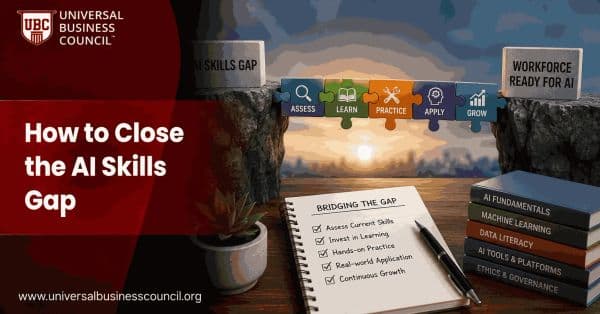
How to Close the AI Skills Gap
Suyash Raizada

How to Close the AI Skills Gap

Closing the AI skills gap requires more than hiring scarce technical specialists. Organizations need to identify critical skill shortages, upskill existing employees, improve AI literacy, redesign roles, develop practical learning programs, and selectively recruit or partner for specialized capabilities.

How to Build an AI Talent Strategy
Suyash Raizada

How to Build an AI Talent Strategy

An AI talent strategy helps organizations identify the skills, roles, workforce models, and development programs needed to execute their AI ambitions. Learn how to assess AI skill gaps, decide when to hire, upskill, or partner, define critical AI roles, and build a workforce capable of scaling AI across the enterprise.

How Should a Chief AI Officer Manage AI Vendors?
Suyash Raizada

How Should a Chief AI Officer Manage AI Vendors?

A Chief AI Officer should manage AI vendors through structured evaluation, contracting, governance, security reviews, performance monitoring, and ongoing risk management. Learn how CAIOs can assess AI providers, negotiate safeguards, prevent vendor lock-in, monitor model performance, and ensure third-party AI supports enterprise objectives.