

Branding Lessons from Sonnet 5: From Beauty to Enduring Value
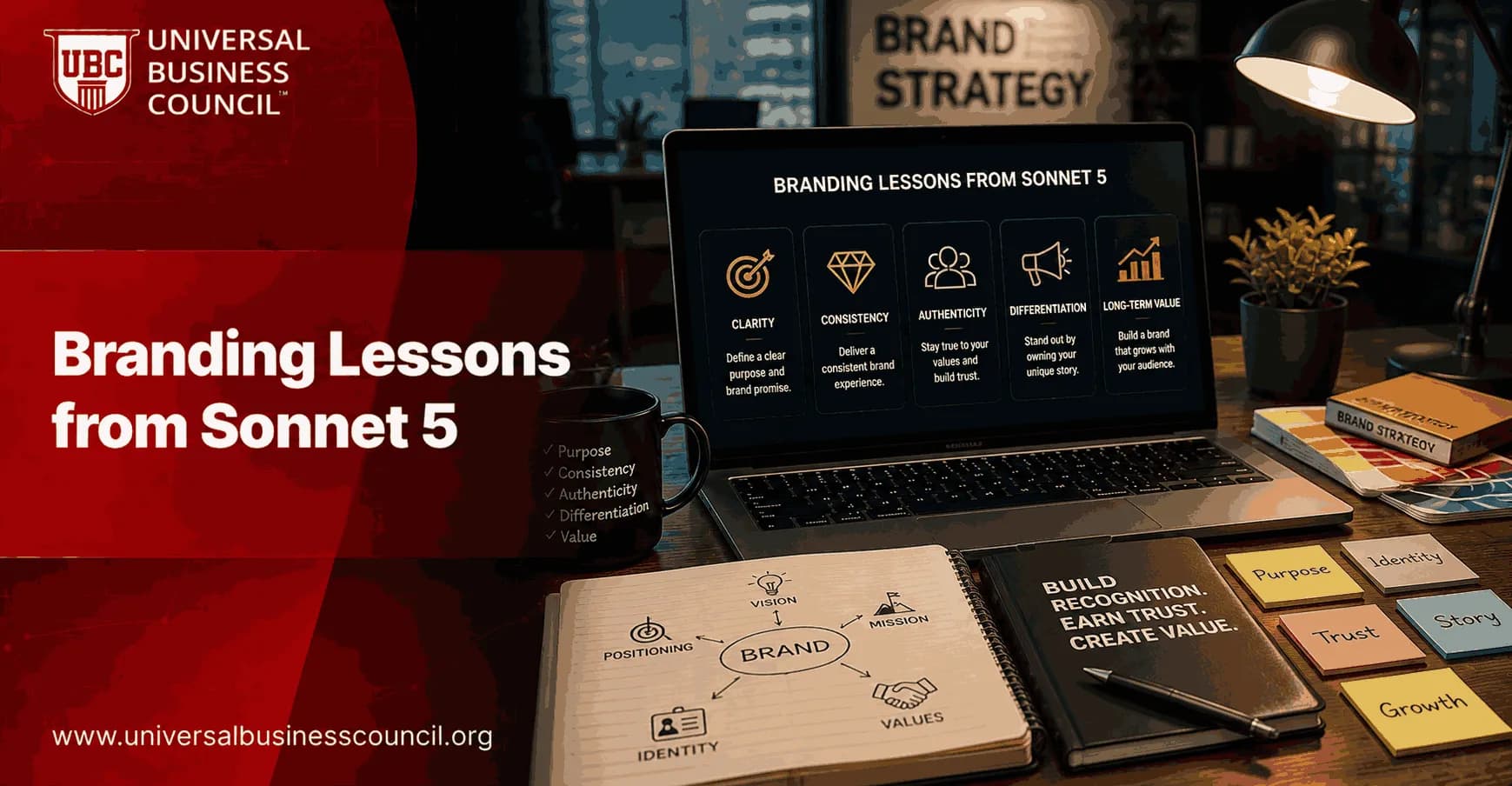
Branding lessons from Sonnet 5 start with a hard truth: beauty is temporary, but essence can be preserved. Shakespeare frames youth as summer and age as winter, then offers a sharper idea for brand leaders. What matters is not the flower in bloom. It is the sweetness that survives after distillation.
That is a useful way to think about modern branding. A logo can win attention for a quarter. A campaign can trend for a week. But brand equity is built when customers remember what you stand for, trust what you deliver, and choose you again when cheaper alternatives appear.

Professionals responsible for shaping products and long-term brand value can also benefit from earning the Certified Product Management Professional™, which strengthens practical skills in product strategy, customer-centric decision-making, lifecycle management, and aligning product experiences with enduring brand promises.
What Sonnet 5 Actually Says About Beauty and Time
Sonnet 5 belongs to Shakespeare's Fair Youth sequence. The poem describes time as both maker and destroyer. The same hours that shape beauty eventually damage it. Summer gives way to winter. Leaves disappear. Sap is checked by frost. Appearance fades.
Then Shakespeare turns to distillation. Flowers may lose their outward show, but when distilled into perfume, their substance remains sweet. The closing couplet says it plainly: flowers distilled, though they with winter meet, leese but their show; their substance still lives sweet.
For branding, that line is gold. The visible layer of a brand is the flower. The enduring layer is the distilled substance: promise, proof, reputation, experience, culture, and memory.
Brand Beauty Is Useful, But It Is Not Defensible
Good design matters. Do not ignore it. Packaging, typography, colour, motion, and interface design shape first impressions. In many categories, they affect conversion directly.
But visual beauty alone is easy to copy and quick to age. Templates, AI image tools, and low-cost design systems have made polished brand assets widely available. The bar for looking credible is lower than it used to be.
To be blunt, attractive branding without substance is a short lease.
The Tropicana packaging redesign in 2009 is a useful warning. The new design was cleaner and more modern, but it stripped away familiar brand cues. Sales dropped sharply within about two months, and the company returned to the old packaging. The lesson was not that redesign is bad. The lesson was that design changes must preserve recognition, trust, and buying memory.
From Show to Substance: A Sonnet 5 Branding Framework
Use the poem as a practical framework. It is simple enough for a workshop and strong enough for board-level brand review.
1. Accept that every visual trend has a winter
Minimalist logos, pastel gradients, 3D mascots, brutalist web design, AI-generated product shots. All of them age. Some age fast.
Your job is not to freeze the brand in one look forever. Your job is to know what cannot change without damaging equity. That usually includes:
Core promise: the outcome customers expect from you.
Distinctive assets: names, symbols, colours, sounds, packaging shapes, or phrases people recognise.
Proof points: product quality, service standards, guarantees, expertise, or heritage.
Tone: how the brand speaks when pressure is high, not only when a campaign is polished.
If your brand guidelines only describe colour codes and logo spacing, they are incomplete. They protect the flower, not the perfume.
2. Distill the brand essence into one usable sentence
Distillation is reduction with judgment. In branding, that means cutting away nice-sounding words until the core remains.
A weak essence statement sounds like this: We empower people through innovative solutions and exceptional experiences. It could belong to a bank, a gym, a software firm, or a shampoo brand.
A stronger statement is specific enough to guide trade-offs. For example: We help first-time managers make clear decisions under pressure. That sentence tells you what content to produce, which partnerships to avoid, how support should behave, and what the product must improve next.
Here is a quick test. Put your brand essence next to three competitors. If the sentences can be swapped without anyone noticing, you have not distilled enough.
3. Preserve essence through systems, not slogans
Shakespeare's perfume is held in glass. Brands need their own containers. Not decorative ones. Operational ones.
Onboarding materials that teach brand principles to new employees.
Customer service scripts that reflect the brand's actual standards.
Product roadmaps tied to the brand promise.
Decision rules for partnerships, sponsorships, pricing, and discounts.
Measurement dashboards that track retention, complaint themes, NPS, repeat purchase, churn, CAC, and LTV.
This is where many rebrands fail. The launch deck is beautiful. The team applauds. Then sales, support, product, and finance continue operating as before. Customers notice the gap.
Brand Extensions Are the Modern Version of Legacy
Sonnet 5 sits near poems that urge the young man to preserve beauty through future generations. In branding, that idea maps to extensions, sub-brands, communities, and customer advocacy.
A brand extension should behave like an heir, not a costume change. It should carry the family's most valuable traits into a new setting.
Apple is a clean example of visual change with consistent essence. Its products, retail experience, software, and services have changed repeatedly. Still, the brand has guarded a recognisable commitment to simplicity, controlled ecosystems, and premium user experience. Interbrand's Best Global Brands report has valued Apple at more than 500 billion US dollars, which shows how powerful accumulated intangible value can become.
Patagonia is another useful case. Its repair programmes, environmental activism, and resale efforts support the same practical and ethical substance customers associate with the brand. The brand is not relying only on outdoor imagery. It has built repeatable proof.
What AI Makes More Urgent
The category context matters. With AI tools now common, marketers can produce ads, mockups, landing page copy, personas, and campaign concepts faster than before. That helps. It also creates a problem.
When everyone can generate attractive assets, beauty becomes less scarce.
Your advantage moves toward judgment: knowing which message is true, which promise can be delivered, which customer segment is worth serving, and which metrics prove value. AI can help draft a brand manifesto. It cannot make a late shipment feel acceptable, fix a weak product, or rebuild trust after a broken promise.
Use AI for speed. Use strategy for substance.
As organizations increasingly use Anthropic's AI models for content creation and strategic decision support, a Claude AI Expert Certification can help professionals develop practical expertise in prompt design, long-context workflows, responsible AI adoption, and enterprise AI applications for marketing and business operations.
Metrics That Separate Beauty from Value
Attention metrics are not useless, but they are early signals. They tell you whether the flower was noticed. They do not prove the perfume lasted.
For a serious brand review, track metrics that show remembered value:
Unaided awareness: whether people recall you without prompting.
Repeat purchase rate: whether the experience was strong enough to bring customers back.
Price premium: whether buyers will pay more because they trust the brand.
Net Promoter Score: whether customers are willing to recommend you.
Customer lifetime value: whether the relationship compounds.
Churn reasons: what breaks the promise in real life.
One practical note from campaign audits: a landing page redesign can lift conversion from 2.1 percent to 2.4 percent and still fail the business if refund requests rise or second purchases fall. Do not celebrate the prettier page until you check what happened after the sale.
How to Apply Sonnet 5 in Your Next Brand Workshop
Try this exercise with your team. It takes 45 minutes and usually exposes the weak spots quickly.
Name the flower: list the visual and campaign elements that make the brand attractive now.
Name the winter: identify what could age, be copied, or lose relevance within two years.
Name the perfume: define the brand substance customers should still value in ten years.
Name the glass: document the systems that protect that substance across product, service, hiring, content, and sales.
Name the heirs: decide which extensions, communities, or partnerships can carry the essence forward without diluting it.
Once you have run the exercise, connect it to a structured learning path. Universal Business Council's marketing, brand strategy, and management certifications give you the frameworks to turn a workshop insight into a repeatable discipline.
The Brand Lesson Shakespeare Still Gets Right
Sonnet 5 is not a marketing text, but it understands the central branding problem better than many campaign briefs. Time will age your visuals. Competitors will copy your style. Channels will change. Audiences will get bored.
What survives is the distilled substance: the promise you keep, the value customers feel, the trust you earn, and the memory you protect.
For your next step, audit one brand asset this week. Pick a homepage, product page, pitch deck, or campaign. Ask two questions: what is only beautiful here, and what proves enduring value? Then strengthen the second answer.
A Tech Certification can further complement branding and product strategy by building a broader understanding of digital transformation, emerging technologies, automation, and AI-driven innovation that increasingly influence customer experience and competitive positioning.
FAQs
1. What Is Sonnet 5?
Sonnet 5 is an AI model in Anthropic's Claude family, designed to assist with reasoning, writing, coding, analysis, and business workflows. Brands can also use it to support content creation, messaging, and strategic planning.
2. What Can Brands Learn from Sonnet 5?
Brands can learn the importance of clarity, consistency, reliability, and user-focused communication. Strong branding is built on trust and delivering value consistently, not just clever marketing.
3. Why Is Brand Positioning Important?
Brand positioning helps a business differentiate itself from competitors by clearly communicating its unique value, target audience, and market identity.
4. How Does Consistency Strengthen a Brand?
Consistent messaging, visuals, tone of voice, and customer experience build recognition, increase trust, and make a brand more memorable over time.
5. What Role Does Customer Experience Play in Branding?
A positive customer experience strengthens brand loyalty, encourages repeat business, and increases word-of-mouth recommendations by consistently meeting or exceeding expectations.
6. How Can AI Support Brand Building?
AI can assist with content creation, customer engagement, market research, campaign planning, brand monitoring, and personalized marketing while maintaining consistent messaging.
7. Why Is Trust Essential for a Strong Brand?
Trust encourages customers to choose a brand repeatedly. Transparent communication, reliable products, and ethical business practices help establish long-term credibility.
8. How Can Businesses Create a Clear Brand Voice?
Organizations should define their tone, messaging guidelines, audience, values, and communication style so every interaction reflects the same brand identity.
9. How Does Personalization Improve Branding?
Personalized experiences help customers feel understood by delivering relevant recommendations, content, and communication based on their interests and needs.
10. Why Is Simplicity Important in Branding?
Simple messaging is easier to remember and understand. Clear communication helps customers quickly recognize what a brand offers and why it matters.
11. How Can Businesses Maintain Brand Consistency Across Channels?
By using consistent logos, colors, messaging, content guidelines, customer service standards, and marketing strategies across websites, social media, email, and advertising.
12. How Does AI Help with Content Marketing?
AI can generate blog ideas, social media posts, marketing copy, email campaigns, SEO content, and content summaries, helping teams produce material more efficiently.
13. What Metrics Should Businesses Track for Branding?
Important metrics include brand awareness, customer satisfaction (CSAT), Net Promoter Score (NPS), customer retention, website traffic, engagement, share of voice, and conversion rates.
14. Which Industries Can Benefit from AI-Assisted Branding?
Retail, healthcare, finance, education, technology, hospitality, e-commerce, manufacturing, media, and professional services can all use AI to strengthen branding efforts.
15. What Are the Benefits of Using AI for Branding?
Benefits include faster content creation, improved consistency, better customer insights, personalized marketing, stronger audience engagement, and more efficient campaign execution.
16. What Are the Limitations of AI in Branding?
AI can support branding but cannot replace human creativity, cultural understanding, strategic thinking, or authentic storytelling. Brand identity still requires human direction.
17. How Can Businesses Successfully Integrate AI into Branding?
Start with clear brand guidelines, use AI for repetitive tasks, review AI-generated content carefully, measure campaign performance, and continuously refine messaging based on customer feedback.
18. What Skills Are Needed for AI-Powered Branding?
Professionals should understand branding strategy, digital marketing, SEO, content marketing, prompt engineering, analytics, customer research, storytelling, and AI tools.
19. What Common Branding Mistakes Should Businesses Avoid?
Avoid inconsistent messaging, overusing AI without human editing, ignoring customer feedback, copying competitors, neglecting brand values, and prioritizing short-term trends over long-term trust. AI can help amplify a brand, but it cannot invent an authentic identity from thin air. Humans still have to decide who they are.
20. What Is the Future of AI in Branding?
AI will increasingly support brand strategy through personalized customer experiences, predictive analytics, content optimization, and marketing automation. Businesses that combine AI efficiency with human creativity, ethical practices, and authentic storytelling will be better positioned to build recognizable, trusted, and resilient brands in an increasingly competitive digital marketplace.
Related Articles
View All
Claude Ai
Brand Legacy Lessons from Shakespeare's Sonnet 5
Shakespeare's Sonnet 5 offers marketers a practical model for brand legacy: preserve enduring essence, not just short-term campaign beauty.

Claude Ai
Claude Sonnet 5 Competitive Advantage: Time, Change, and Strategy Lessons From Sonnet 5
Learn how Claude Sonnet 5 competitive advantage comes from faster sensing, decision cycles, adaptability, and disciplined change management.

Claude Ai
Leadership Lessons From Sonnet 5: Protecting Talent Before It Fades
Learn how Leadership Lessons From Sonnet 5 apply to succession planning, mentoring, talent risk, and preserving expertise before attrition takes hold.
Trending Articles
The Role of Blockchain in Ethical AI Development
How blockchain technology is being used to promote transparency and accountability in artificial intelligence systems.
AWS Career Roadmap
A step-by-step guide to building a successful career in Amazon Web Services cloud computing.
Top 5 DeFi Platforms
Explore the leading decentralized finance platforms and what makes each one unique in the evolving DeFi landscape.