

Understanding the Addiction Recovery Process
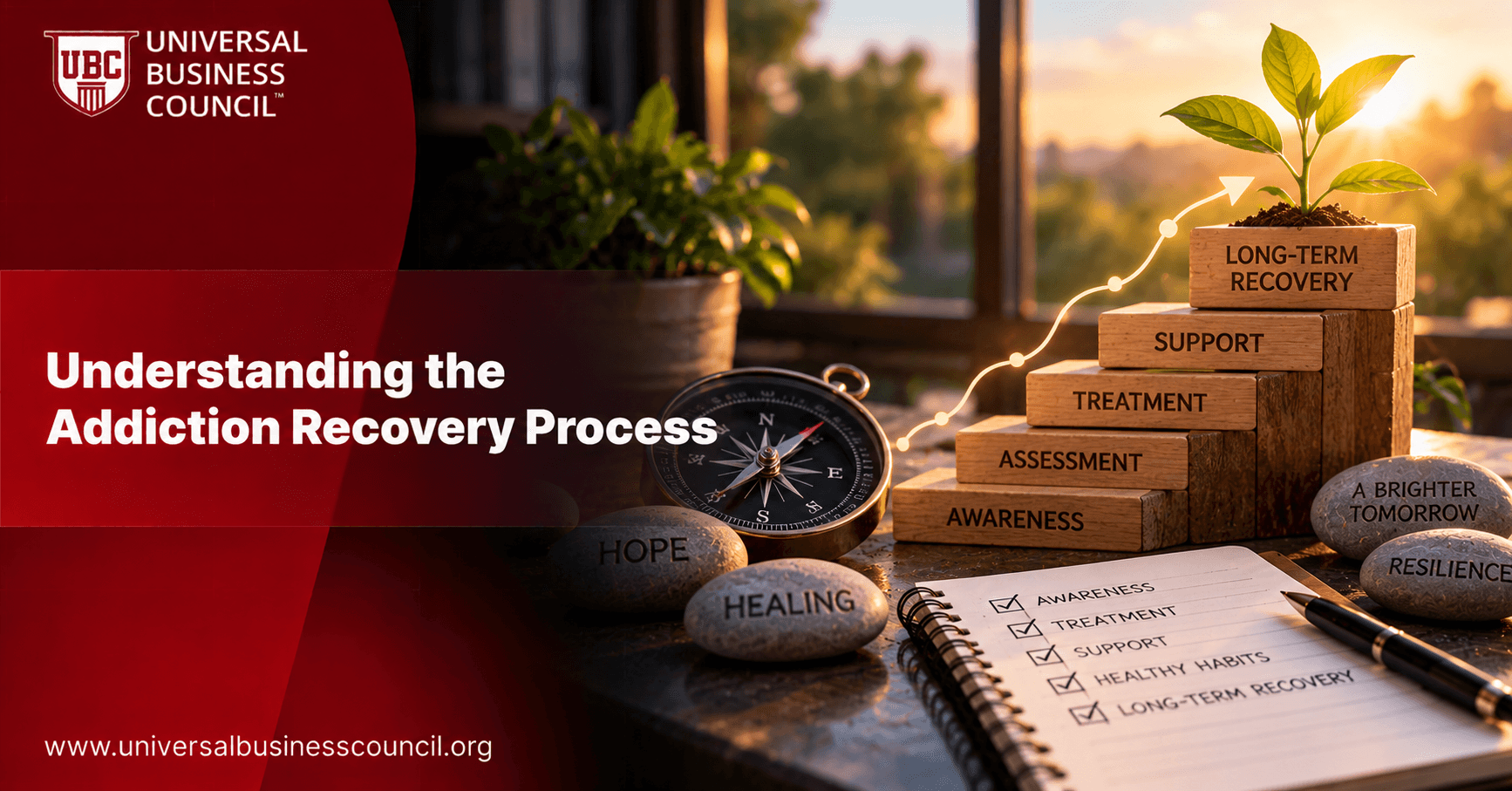
Recovery doesn't start the day someone stops using, and it doesn't end after 30 days. It is a long process with several stages, and each stage asks for different kinds of support. Knowing how the addiction recovery process works helps people in recovery, and the families standing beside them, set realistic expectations.
The Certified Addiction Professional certification is one entry point for people who want to support others through recovery, and it shows what formal training in this field involves. This guide walks through the stages, setbacks and supports that shape recovery, and the people who help along the way.

What is addiction recovery?
SAMHSA, the U.S. agency that leads substance use and mental health services, describes recovery as a process of change in which people improve their health and wellness, live self-directed lives and work toward their full potential. It points to four dimensions: health, home, purpose and community.
In plain terms, recovery means more than stopping substance use. It means building a stable body, a safe place to live, meaningful daily activity and people who support you. Recovery looks different for everyone. Some people reach it through treatment programs, some through peer groups, and some through a mix of faith, family and medical care. What they share is steady effort and support.
Stages of the addiction recovery process
The stages of change
Many programs use the stages of change model to describe how people move toward recovery:
Precontemplation: the person doesn't yet see a problem
Contemplation: they begin to wonder whether change is needed
Preparation: they plan how to start
Action: they make changes with support
Maintenance: they work to keep those changes in place
People move back and forth between stages, and that is normal. Each stage needs a different kind of help. Early on, nonjudgmental conversation works better than pressure. Later, structure and accountability matter more.
The treatment pathway
Treatment usually follows a similar path. It begins with an assessment to match the person to the right level of care. If withdrawal is a risk, medically supervised detox comes next, because withdrawal from alcohol or sedatives in particular can be dangerous.
Then comes treatment itself, which might be residential, intensive outpatient or standard outpatient, with counseling, behavioral therapy and sometimes medication. After that, aftercare keeps support going through continuing counseling, peer groups and check-ins. Length of care varies. Some people need weeks of residential treatment, others months of outpatient counseling, and many need support for years.
Relapse and setbacks
Relapse is common, and it does not mean treatment failed. Substance use disorders are chronic conditions, and many people return to use at least once on the way to lasting recovery. What matters is what happens next.
A setback is a signal to adjust the plan: more frequent counseling, a different medication, a higher level of care or stronger peer support. Triggers such as stress, certain places, certain people and untreated mental health symptoms deserve a plan before they show up. Family members can help by staying calm, avoiding blame and helping the person reconnect with their treatment team quickly.
What supports long-term recovery
Recovery tends to hold when several supports work together:
Counseling and therapy that build coping skills
Medication, which helps some people manage cravings, particularly for alcohol and opioid use disorders
Peer groups that offer understanding from people who have been there
Stable housing, steady work or school and repaired relationships
Treatment for co-occurring mental health conditions such as depression or anxiety
Small daily habits count too. Regular sleep, meals, movement and a trusted person to call can protect recovery when stress rises.
The recovery team and careers that support it
A recovery team can include counselors, physicians, nurses, nursing assistants, peer specialists, case managers and family. Entry-level roles such as nursing assistant or behavioral health technician let people learn the work while they build credentials. Employers hire carefully, and services like HireValid help verify credentials and work history.
Charting and telehealth are routine in treatment programs, so short tech certifications help newcomers learn the tools. Programs also need clear outreach, and a Digital Marketing Course teaches how to explain services online. For those curious about emerging healthcare technology, Deep Tech Certifications cover areas such as AI and blockchain.
Conclusion
The addiction recovery process moves through assessment, treatment and aftercare, and through stages of change that rarely follow a straight line. Setbacks are part of many recoveries and call for adjustment, not blame. Lasting recovery draws on health, home, purpose and community together.
If you or someone close to you needs help in the United States, the free, confidential SAMHSA National Helpline is 1-800-662-4357, and 988 is there in a crisis. Patience matters. Progress is often uneven, and small wins deserve recognition. The FAQs below answer common questions.
Frequently asked questions
What is the addiction recovery process?
A long-term process of change that includes assessment, treatment, aftercare and ongoing support.
What are the stages of recovery?
Precontemplation, contemplation, preparation, action and maintenance, though people often move back and forth.
How long does recovery take?
There is no set timeline. Many people need support for years.
What happens in the first stage of treatment?
An assessment matches the person to the right level of care.
What is detox?
Medically supervised withdrawal management, used when stopping a substance carries health risks.
Is detox enough on its own?
No. Detox handles withdrawal, while counseling and ongoing care address the causes and habits.
What is the difference between residential and outpatient treatment?
Residential means living at the program. Outpatient means attending sessions while living at home.
What is aftercare?
Continuing support after formal treatment, such as counseling, peer groups and check-ins.
Is relapse a sign of failure?
No. It is common and signals a need to adjust the plan.
What should I do after a relapse?
Reach out to the treatment team or a support person quickly and revise the plan.
What are common relapse triggers?
Stress, certain places or people, untreated mental health symptoms and loss of routine.
Do medications help recovery?
For some people, yes, especially for alcohol and opioid use disorders, under a prescriber's care.
What role do peer groups play?
They offer shared understanding, accountability and encouragement.
What are the four dimensions of recovery?
Health, home, purpose and community, according to SAMHSA.
Can people recover without treatment?
Some do, but professional care and support improve safety and the odds of lasting change.
How can family members help?
Stay calm, avoid blame, encourage treatment and take care of their own well-being too.
Does recovery include mental health care?
Yes. Co-occurring conditions need treatment alongside the substance use disorder.
What careers support recovery?
Counselors, nurses, nursing assistants, peer specialists, case managers and program staff.
Where can I get help in the United States?
Call the free, confidential SAMHSA National Helpline at 1-800-662-4357, or 988 in a crisis.
Related Articles
View All
Health
Is Addiction Professional Certification Worth It?
Discover whether earning an addiction professional certification is worth the investment. Explore its career benefits, training requirements, certification costs, professional credibility, and opportunities in addiction treatment and recovery support.
Health
Addiction Support vs Clinical Addiction Treatment
Understand the differences between addiction support and clinical addiction treatment. Explore the types of assistance each provides, the professionals involved, and how emotional support, recovery guidance, and medical care contribute to the recovery journey.
Health
Relapse Prevention and Recovery Planning
Explore the role of relapse prevention and recovery planning in addiction treatment. Learn how to identify triggers, manage cravings, develop healthy coping strategies, build support systems, and create a practical plan for maintaining recovery.
Trending Articles
The Role of Blockchain in Ethical AI Development
How blockchain technology is being used to promote transparency and accountability in artificial intelligence systems.
AWS Career Roadmap
A step-by-step guide to building a successful career in Amazon Web Services cloud computing.
Top 5 DeFi Platforms
Explore the leading decentralized finance platforms and what makes each one unique in the evolving DeFi landscape.