

Relapse Prevention and Recovery Planning
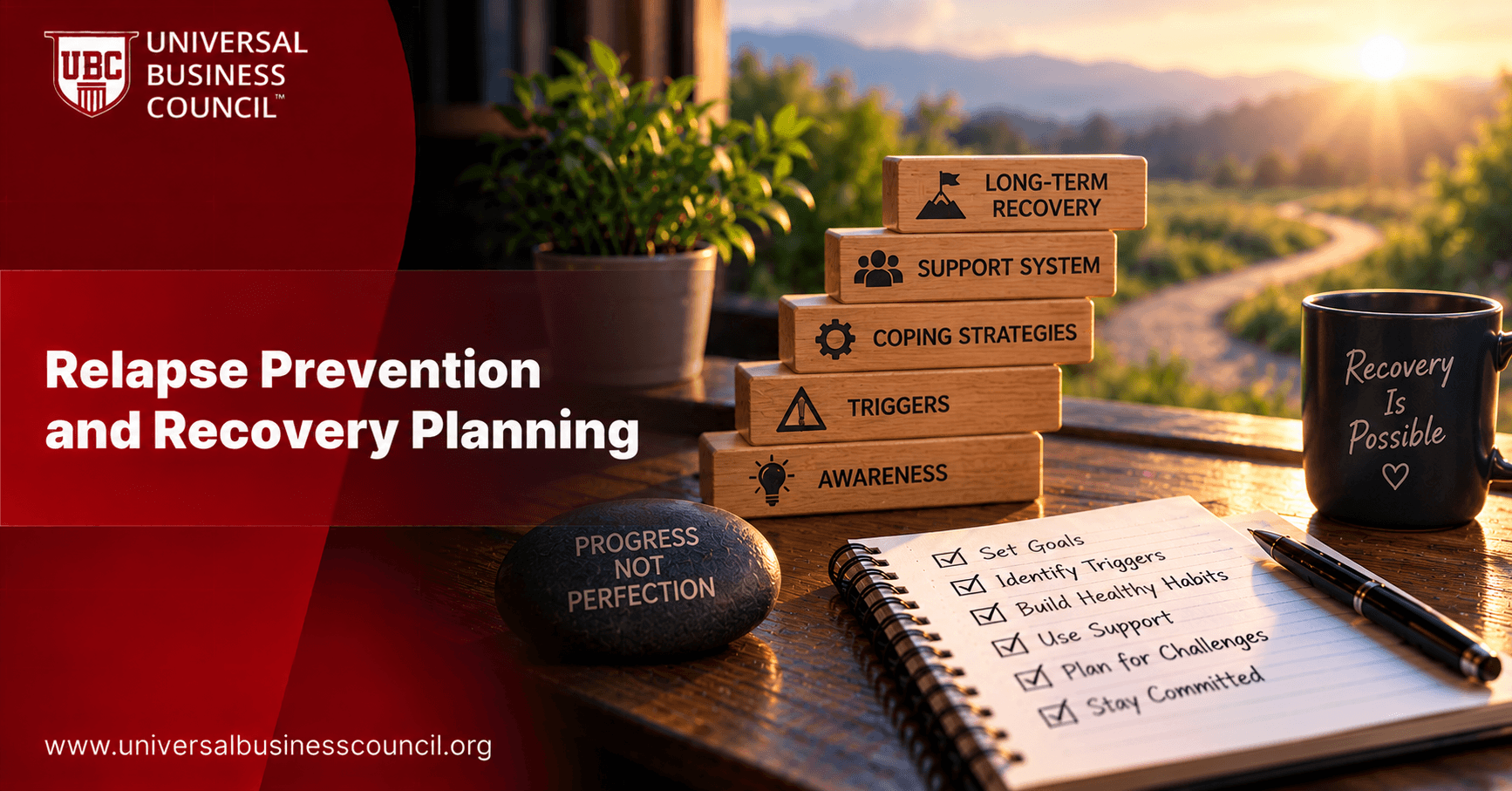
Recovery is rarely a straight line, which is why planning for difficult moments is part of the work and not a sign of doubt. Relapse prevention and recovery planning give a person a practical map: what to watch for, what to do when pressure builds and who to call. This guide explains how relapse develops, how to identify triggers, how to build a written recovery plan and what to do if a lapse occurs. It also covers the professional support, privacy and verification standards that surround good care. It is general information and not medical advice, and a qualified professional can tailor a plan to an individual. Those who want to build a career in this field may also explore the Certified Addiction Professional certification.
What is relapse prevention and recovery planning?
Relapse prevention is a set of strategies that help a person maintain recovery by spotting risks early and responding before use resumes. Recovery planning is the broader process of setting goals, routines and supports that keep recovery steady over time. The two work together. The plan sets out the structure, and prevention skills make it work on difficult days.

Both are used by counselors, treatment programs, peer support groups and individuals, and they are most effective when written down, shared with a trusted support network and reviewed regularly.
Understanding relapse as a process
Relapse is often described as a process, not a single event. It frequently begins well before any substance is used, with changes in emotions, thinking and behavior. A person may become more stressed, isolated or irritable, stop attending support, start romanticizing past use or drift back into old routines.
Seeing relapse this way is useful because it gives many chances to intervene. It also removes some of the shame, since returning to use is common in recovery from many conditions and is a signal to adjust the plan and seek support, not proof that treatment has failed.
Identifying triggers and warning signs
A trigger is anything that raises the urge to use. Triggers differ from person to person, but common categories include:
Stress, conflict or major life changes
Strong emotions such as loneliness, anger or boredom
Certain people, places or situations linked with past use
Tiredness, poor sleep or skipped routines
Celebrations or moments when the person feels everything is fine
Warning signs are the early changes that suggest risk is rising. Writing both lists down, with specific examples from the person's own life, makes them much easier to spot in the moment.
Coping strategies that work in practice
Knowing triggers is only half the job. The other half is having a response ready.
Personal coping skills
Useful skills include pausing before acting, using breathing or relaxation techniques, getting active, changing location and delaying the decision to use. Urges usually rise and fall, so techniques that help a person ride them out can be very effective.
Building a support network
People recover better with others beside them. A network may include family, friends, peers, counselors and doctors, each with a defined role. Agreeing in advance who to call and what to say removes hesitation at a hard moment.
An emergency plan for high-risk moments
A short, clear emergency plan lists the people to contact, the steps to take and the places to go. It should also include the number for local emergency services and a reminder to seek urgent help if safety is at risk.
Building a written recovery plan
A good recovery plan is personal, specific and realistic. It is usually developed with a counselor or other professional and covers:
Recovery goals for health, relationships, work and daily life
Known triggers and warning signs
Coping strategies for each trigger
A support network with contact details
Daily and weekly routines, including self-care
Follow-up appointments and a date to review the plan
The plan should be treated as a living document. Life changes, and so do risks, so regular review keeps it useful.
Routines and healthy habits
Structure protects recovery. Regular sleep, balanced meals, physical activity and meaningful daily activity all help stabilize mood and reduce vulnerability to cravings. Many people also find that building new interests and relationships gives them something positive to move toward, instead of only something to avoid.
Professional support and aftercare
Treatment does not end when an intensive program finishes. Aftercare, such as ongoing counseling, check-ins with a doctor and peer support groups, helps people hold on to progress as daily life returns to normal. It is worth asking early what aftercare is available and how to stay connected. When choosing a counselor or program, families and organizations should check credentials, and employers use verification services such as HireValid to confirm the background and qualifications of the professionals they hire.
If a lapse happens
A lapse does not erase earlier progress. The most helpful response is to act quickly and honestly. Contact a support person or professional, avoid isolating, review what led up to it and adjust the plan. Tolerance can fall during a period of not using, which raises the risk of serious harm if use resumes at the same level as before, so getting advice and support promptly is important. If someone is unresponsive, struggling to breathe or in danger, call local emergency services immediately.
Privacy and workplace considerations
Recovery information is highly sensitive. A person should decide who to tell about their plan, and professionals must protect records and share information only with consent or where the law requires. Employers who support staff in recovery can do so by keeping information confidential, following policy on reasonable adjustments and treating the matter as a health issue.
Digital tools and secure data
Apps, telehealth appointments and online groups can make support easier to reach between sessions. They also raise privacy questions, so the choice of tool matters. Professionals who work with these systems often build their knowledge through tech certifications. As artificial intelligence and secure data systems become more common in healthcare, deep tech certifications offer one way to understand how sensitive records may be protected.
Responsible promotion of recovery services
Services that promote relapse prevention or recovery support should avoid promises of guaranteed results. Honest descriptions of what is offered, who delivers it and what the limits are help families make safe decisions. A digital marketing course can help providers communicate clearly and responsibly online.
Conclusion
Relapse prevention and recovery planning turn good intentions into practical steps. Relapse is a process with early warning signs, which gives many chances to step in. Identifying triggers, building coping skills and lining up a support network prepare a person for hard moments, and a written recovery plan pulls everything together and is reviewed regularly. Healthy routines and aftercare protect progress, and a lapse should be met with honesty, quick support and a revised plan. Privacy, qualified professionals and honest communication keep the process safe and respectful. Anyone who needs help should speak with a healthcare professional, and in an emergency should call local emergency services.
Frequently asked questions
These are the questions people ask most when planning for recovery.
1. What is relapse prevention?
It is a set of strategies for spotting risks early and responding before substance use resumes.
2. What is a recovery plan?
It is a written plan covering goals, triggers, coping strategies, supports and routines.
3. Is relapse a failure?
No. It is common in recovery and signals that the plan and support need adjusting.
4. What are triggers?
Triggers are people, places, emotions or situations that raise the urge to use.
5. What are warning signs of relapse?
Early changes such as rising stress, isolation, skipped support and thinking fondly about past use.
6. How do I cope with cravings?
Pause, use calming techniques, change location, contact a support person and remember that urges usually pass.
7. Who should be in a support network?
Trusted family, friends, peers, counselors and doctors, each with a clear role.
8. What is an emergency plan?
A short list of people to contact, steps to take and places to go in a high-risk moment.
9. How often should a plan be reviewed?
Regularly, and whenever life circumstances or risks change.
10. Who helps write a recovery plan?
A counselor or other qualified professional can help, ideally together with the person.
11. Do routines really matter?
Yes. Regular sleep, meals, activity and structure help stabilize mood and reduce vulnerability.
12. What is aftercare?
Ongoing support after intensive treatment, such as counseling, medical follow-up and peer groups.
13. What should I do after a lapse?
Contact a support person or professional quickly, avoid isolating and review and adjust the plan.
14. Why is a lapse riskier after a break?
Tolerance can fall, so the same amount as before may cause serious harm. Seek advice promptly.
15. When should I call emergency services?
If someone is unresponsive, struggling to breathe or in danger, call local emergency services at once.
16. Can family members help with the plan?
Yes, with the person's agreement, by learning about triggers and agreeing how to respond.
17. Is recovery information private?
Yes. Professionals protect it and share it only with consent or where the law requires.
18. Can employers support recovery?
They can keep information confidential, follow policy on adjustments and treat it as a health matter.
19. Are apps and online groups helpful?
They can be, but choose tools that protect privacy and use them alongside professional support.
20. How do I find a qualified professional?
Ask a doctor or local health service, and check the credentials of any counselor or program.
Related Articles
View All
Health
Group Fitness Safety and Injury Prevention
Learn how to promote safety and prevent injuries during group fitness classes. Explore essential safety practices, proper exercise techniques, equipment checks, warm-up and cool-down routines, and ways to modify workouts for different fitness levels to create a safe and supportive exercise environment.
Health
Understanding the Addiction Recovery Process
Explore the addiction recovery process and what individuals can expect at different stages of their journey. Learn about treatment options, professional support, common challenges, and strategies that help build a foundation for lasting recovery.

Health
Fitness Instructor Certification Requirements
Learn about fitness instructor certification requirements, including the qualifications, training, and credentials needed to pursue a career in fitness instruction. Explore certification options, CPR and first aid training, practical experience, and key factors to consider when choosing a recognized certification program.
Trending Articles
The Role of Blockchain in Ethical AI Development
How blockchain technology is being used to promote transparency and accountability in artificial intelligence systems.
AWS Career Roadmap
A step-by-step guide to building a successful career in Amazon Web Services cloud computing.
Top 5 DeFi Platforms
Explore the leading decentralized finance platforms and what makes each one unique in the evolving DeFi landscape.