

How to Motivate Participants in Fitness Classes
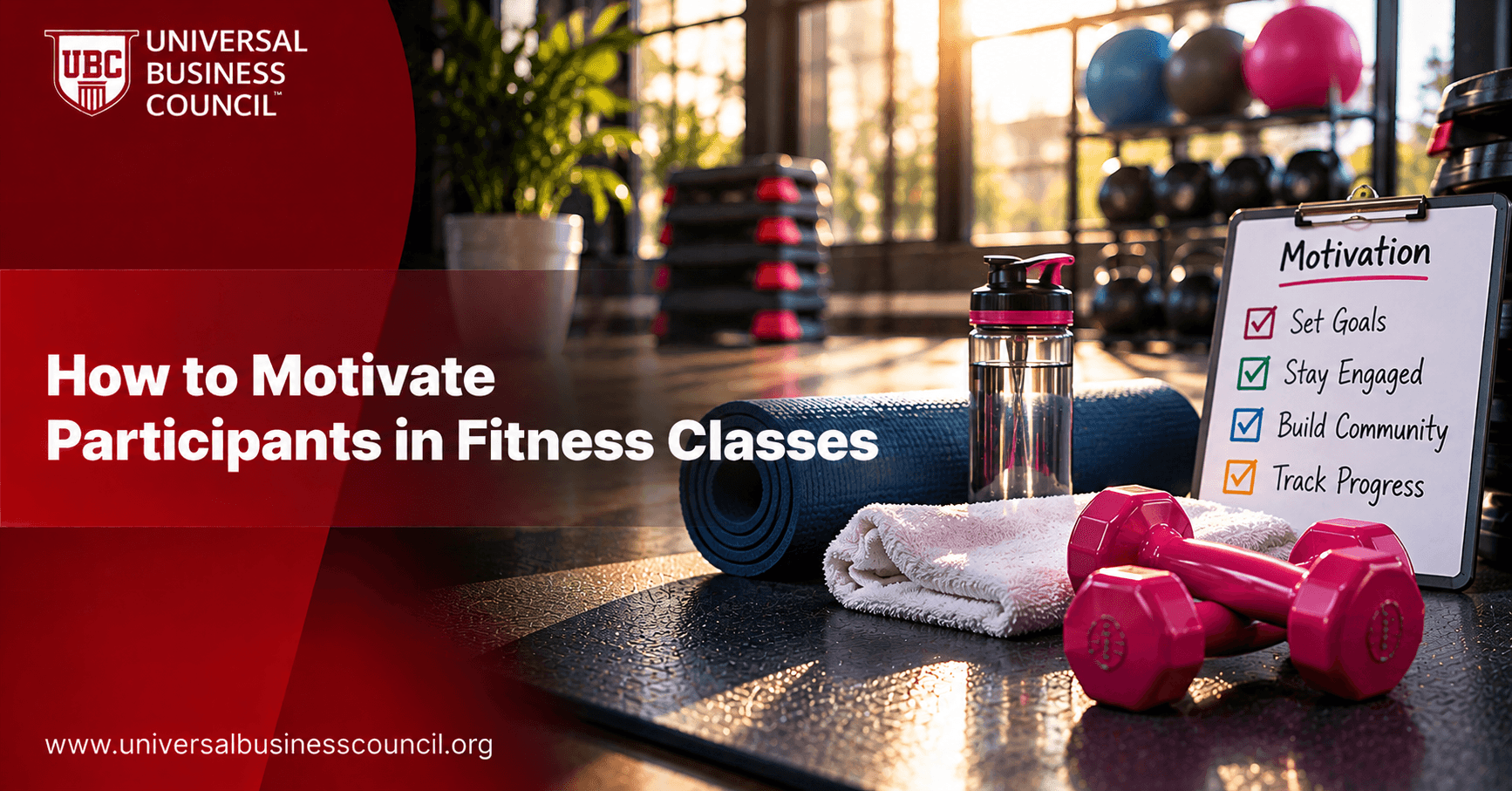
Motivation in a fitness class is built from small signals: a name remembered, an option offered, an effort noticed. Instructors who learn to send those signals consistently keep participants engaged, coming back and exercising safely, while instructors who rely on volume and pressure often lose people. This guide explains how to motivate participants in fitness classes through belonging, clear goals, choice, feedback and honest communication. It also covers the ethical and compliance limits that keep motivation healthy and safe. It is general information, and requirements vary by region and employer. Anyone planning a career in fitness instruction can also look at the certified group fitness professional certification as a practical starting point.
What does it mean to motivate participants?
Motivating participants means creating the conditions in which people want to take part, put in effort and keep coming back. It does not mean pushing people harder than they are ready for, and it does not mean shaming anyone into effort.

Good motivation supports people in reaching their own goals safely. It recognizes that participants arrive with different reasons, such as health, energy, stress relief, social connection or fun, and that those reasons change over time.
Build a sense of belonging
People return to places where they feel welcome. Belonging is the foundation of motivation in group classes, and instructors have a major influence on it.
Small actions that welcome people
Greet participants as they arrive, learn names and introduce newcomers to the room. Check in with first-timers before the class, explain what to expect and invite them to ask questions. These simple steps make the first visit far less intimidating.
Creating an inclusive atmosphere
Use language that welcomes every body, ability and background. Avoid jokes or comments about weight, appearance or food, and make sure that options are presented as normal choices. A class where everyone feels they belong is more motivating than one that rewards only the strongest.
Building community
Encourage friendly interaction, such as partner exercises, shared challenges or a moment to chat afterward. Participants who know others in the room are more likely to attend regularly.
Help participants set and see goals
Goals give effort a direction. Invite participants to think about what they want from the class, whether it is better stamina, a stronger back or simply more energy, and keep goals realistic and personal. Show progress in ways that are visible and encouraging, such as noticing improved technique, longer endurance or a movement that was hard last month and is easier now. Celebrate effort and consistency as well as results.
Offer choice and control
People are more motivated when they feel in control of what they are doing. Offering options within a class, such as lower and higher intensity versions, different equipment or the freedom to rest, gives participants ownership. It also keeps them safe, since they can match the work to how they feel on the day. Present choices positively, for example by saying that everyone can find the level that suits them.
Give effective feedback
Feedback is one of the strongest motivators when done well. Effective feedback has a few features:
It is specific, such as praising a steady pace or good posture
It is timely, given during the exercise when it can help
It focuses on effort and technique, not appearance
It is delivered in a respectful, positive tone
It includes corrections framed as helpful tips and not criticism
Avoid singling people out in a way that could embarrass them. When correcting form, a quiet word or a general cue to the whole room is often kinder and more effective.
Use music, energy and variety wisely
Music, pacing and variety lift the mood and keep a class interesting. Choose music that suits the format and the audience, vary the structure from time to time and use a changing rhythm so the class feels dynamic. Energy should be genuine, since forced enthusiasm can feel hollow. Matching your energy to the group, rather than overwhelming it, helps everyone stay with you.
Keep motivation safe and ethical
Motivation must never come at the cost of safety. Encourage participants to listen to their bodies, to ease off when needed and to stop if something hurts. Avoid slogans that push people through pain or imply that rest is failure. Do not give medical or dietary advice beyond your training, and refer participants to qualified professionals for health concerns. Respect privacy by not discussing someone's weight, health or progress in front of others without consent.
Handle plateaus and dips
Every participant has weeks when motivation fades. Plateaus, busy periods and setbacks are normal. Check in privately with regular participants who seem to be struggling, ask what would help and suggest realistic adjustments, such as a lower-intensity option or a different class time. Remind people that consistency matters more than perfection, and welcome back anyone who has been away without commentary.
Credentials and professional standards
Participants trust instructors who are qualified and professional. Employers expect recognized certification, current CPR and first aid training and, for some roles, background screening. They verify credentials before scheduling instructors, and services such as HireValid support credential and background verification. Instructors who keep certificates current and records accurate show participants and employers that they take the role seriously.
Technology that supports motivation
Apps, attendance trackers, group chats and wearable devices can support motivation by showing progress and building community. They also collect personal data, so consent and security matter. Instructors who are comfortable with digital tools use them more effectively and more safely, and some build those skills through tech certifications. As artificial intelligence and secure data systems reach the fitness industry, deep tech certifications offer one way to understand how such technologies handle personal health data.
Promoting classes honestly
Motivation begins before the class, with how it is described. Honest descriptions, realistic promises and welcoming language attract the right participants and set accurate expectations. Exaggerated claims about results may bring people in but often lead to disappointment. A digital marketing course can help instructors promote classes in ways that are engaging and still within legal and ethical limits.
Conclusion
Learning how to motivate participants in fitness classes means building belonging, helping people set and see goals, offering choice and control, giving specific, positive feedback and using music and variety to keep energy up. Motivation must stay safe and ethical, with no pressure to push through pain, no shaming and no advice beyond the instructor's training. Instructors who handle dips with empathy, keep their credentials current and promote classes honestly build loyal, healthy and engaged groups. Most of all, motivation grows from small, consistent signals that every participant matters.
Frequently asked questions
These are the questions instructors ask most about motivation.
1. How do I motivate participants in a fitness class?
Welcome them, help them set goals, offer choices, give specific positive feedback and keep the class varied.
2. Why do people stop attending classes?
Reasons vary and can include feeling out of place, lack of progress, busy schedules or loss of interest.
3. How can I make newcomers feel welcome?
Greet them, learn their names, explain what to expect and introduce them to others.
4. Does music affect motivation?
Yes. It lifts mood and pace, but it should suit the group and not drown out your voice.
5. What makes good feedback?
Specific, timely and respectful feedback focused on effort and technique.
6. Should I call people out in class?
Avoid singling people out in ways that could embarrass them, and use quiet corrections or general cues.
7. How do I motivate beginners?
Offer easier options, celebrate small improvements and make sure they feel included.
8. How do I motivate experienced participants?
Offer progressions and new challenges while keeping the class welcoming for everyone.
9. How can I help people set goals?
Invite them to say what they want from the class and keep goals realistic and personal.
10. Is it okay to comment on weight or appearance?
No. Focus on effort, technique and how participants feel.
11. How do I encourage consistency?
Welcome regulars, celebrate attendance, build community and welcome people back after a break.
12. What if someone is not trying hard?
Check in kindly. They may be tired, unwell or unsure, and effort levels differ.
13. Should I push participants to keep going through pain?
No. Encourage them to listen to their bodies and stop if something hurts.
14. Can I give diet advice?
Not beyond your qualifications. Refer people to qualified professionals.
15. How do I handle a participant who has lost motivation?
Check in privately, ask what would help and suggest realistic adjustments.
16. How do I build community in a class?
Use partner work, shared challenges and friendly conversation before and after class.
17. Can technology help motivation?
Yes, through tracking and group communication, as long as data privacy is respected.
18. Do employers check instructor credentials?
Yes. They verify certificates and records, often with credential screening providers.
19. How should I promote classes?
Honestly, with realistic claims and welcoming language.
20. How can I improve my motivational skills?
Ask for feedback, observe other instructors and take workshops on communication and coaching.
Related Articles
View All
Health
Types of Group Fitness Classes Explained
Explore the different types of group fitness classes and what each has to offer. Learn about popular options such as yoga, Pilates, cycling, dance fitness, strength training, and HIIT, along with their benefits and intensity levels, to understand which classes best suit different fitness goals and preferences.
Health
Fitness Instructor Certification Requirements
Learn about fitness instructor certification requirements, including the qualifications, training, and credentials needed to pursue a career in fitness instruction. Explore certification options, CPR and first aid training, practical experience, and key factors to consider when choosing a recognized certification program.
Health
How to Adapt Group Workouts for Different Fitness Levels
Learn how to adapt group workouts for participants with different fitness levels, abilities, and experience. Explore exercise modifications, intensity adjustments, low-impact alternatives, and progression techniques that help instructors create inclusive, effective, and safe fitness classes for everyone.
Trending Articles
The Role of Blockchain in Ethical AI Development
How blockchain technology is being used to promote transparency and accountability in artificial intelligence systems.
AWS Career Roadmap
A step-by-step guide to building a successful career in Amazon Web Services cloud computing.
Top 5 DeFi Platforms
Explore the leading decentralized finance platforms and what makes each one unique in the evolving DeFi landscape.