

Where Do Nursing Assistants Work?
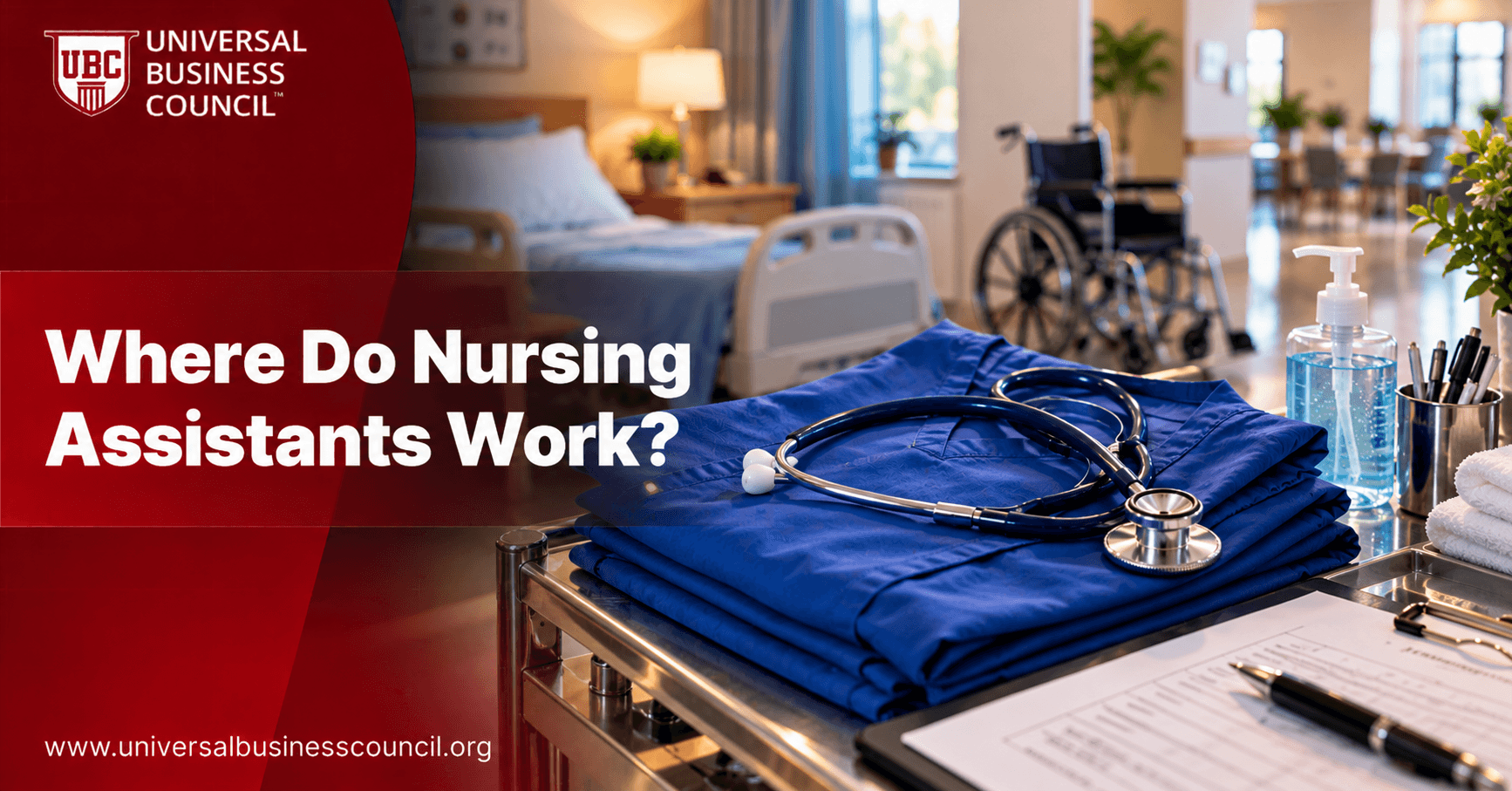
Nursing assistants work in hospitals, nursing homes, assisted living communities, private homes, rehabilitation centers, hospice programs and outpatient clinics, so the answer to where do nursing assistants work is much wider than most people expect. Each setting changes the daily routine, the pace and the kind of patient. A person who trains as a certified nursing assistant is not locked into any one of them, and many move between settings as their goals shift. This guide walks through the main workplaces, the compliance rules that follow nursing assistants everywhere and the questions worth asking before accepting a job.
What is a nursing assistant, and where does the work happen?
A nursing assistant gives basic daily care to patients and residents under the supervision of a licensed nurse. The work covers bathing, dressing, feeding, moving and comforting people, along with checking vital signs and reporting changes. Job titles vary by employer, and some facilities use terms like nurse aide or patient care assistant for similar duties.

The work happens wherever people need help with daily living because of illness, age or recovery. That includes medical settings, but it also includes homes and residential communities where the focus is comfort and routine rather than treatment.
Hospitals and acute care
Hospitals are the setting most people picture first. Patients arrive with short-term medical needs, and nursing assistants support the nursing team by keeping those patients clean, fed, mobile and safe.
Medical and surgical floors
On general floors, nursing assistants help patients who are recovering from illness or surgery. They answer call lights, assist with walking, record vital signs and report anything unusual to the nurse. The pace is quick, and patients change often as they are admitted and discharged.
Specialty units
Some hospitals also place nursing assistants in specialty areas such as pediatrics, maternity or rehabilitation. The tasks follow the same basic care principles, but the patient groups and routines differ, and extra orientation is common.
Shift patterns
Hospitals run around the clock, so nursing assistants may work day, evening or night shifts. Weekends and holidays are a normal part of the schedule in most acute care roles.
Nursing homes and long-term care
Long-term care facilities are home to residents who need ongoing support, and nursing assistants provide most of the hands-on care. Because residents stay for months or years, the work builds real relationships. Assistants learn each person's habits, preferences and baseline, which makes them the first to notice when something has changed. Careful reporting in these settings protects residents and satisfies strict documentation requirements.
Assisted living and residential care
Assisted living communities support residents who want independence but need help with daily tasks like bathing, dressing and medication reminders. The medical side is lighter than in a nursing home, and the atmosphere is closer to a residence. Nursing assistants in these settings spend a lot of time on encouragement and dignity as well as physical help.
Home health and private duty care
Some nursing assistants work in clients' homes, either through a home health agency or on a private basis. The work is more independent, since there is usually no coworker in the next room. Assistants follow a care plan set by a supervising nurse, keep clear records and call for guidance when a client's condition changes. Good judgment about when to ask for help matters more here than almost anywhere else.
Other places nursing assistants work
Beyond the main settings, nursing assistants are hired across a wide range of care programs. Depending on state rules and employer policy, these can include:
Rehabilitation centers that help patients regain strength after illness or injury
Hospice and palliative care programs focused on comfort
Adult day programs that support older adults during the day
Outpatient clinics and physician offices where assistants prepare patients and record basic measurements
Compliance rules that follow nursing assistants everywhere
The setting changes, but the rules around the work do not change much. Every employer expects nursing assistants to follow a core set of duties.
Protect patient privacy and share information only with those who need it
Follow infection control and hand hygiene procedures
Stay within the permitted scope of practice
Document care accurately and promptly
Report suspected abuse, neglect or safety concerns through the correct channel
Employers also verify credentials before hiring. Registry status, certification and work history are checked, and screening providers such as HireValid support that process. Candidates who keep their documents current and accurate move through hiring with fewer delays.
Choosing the right setting
No single workplace suits everyone. The best fit depends on personality, schedule needs and the kind of patient contact a person enjoys.
Questions to ask before accepting a job
Interviews work in both directions. A candidate can learn a lot by asking how the team is supervised, what training new hires receive and how problems are escalated.
Schedule and workload
It helps to ask about shift length, weekend expectations and how many patients one assistant usually cares for. These details shape both job satisfaction and patient safety.
Training and support
A good employer provides orientation, clear policies and a named person to go to with questions. New nursing assistants usually do better in places with structured onboarding.
How technology is changing the work
Most care settings now use electronic records, digital call systems and mobile devices for charting. Nursing assistants who are comfortable with technology document faster and make fewer errors. Some choose to build general digital confidence through tech certifications, which can also open doors to health informatics roles later on.
Growing within a setting
Many employers support growth through tuition help, mentoring or bridge programs toward nursing degrees. As healthcare adopts newer tools like artificial intelligence and secure data systems, workers who understand them gain options. Deep tech certifications are one way to start learning those fields alongside a care career.
How employers attract and keep nursing assistants
Facilities compete for dependable staff, and clear communication helps. Honest job descriptions, visible training programs and respectful workplace culture all draw better applicants. A digital marketing course can help recruiters and care organizations present their roles accurately online, which also keeps recruiting claims within legal and ethical limits.
Conclusion
So, where do nursing assistants work? Hospitals, nursing homes, assisted living communities, private homes, rehabilitation centers, hospice programs and clinics all rely on them. Hospitals offer fast-moving acute care, long-term facilities offer lasting relationships, assisted living leans toward independence and dignity, and home health calls for independent judgment. Across every setting, nursing assistants protect privacy, follow infection control, stay within scope, document carefully and report concerns, and employers check credentials before hiring. The right workplace depends on schedule, temperament and long-term goals, and asking about supervision, training and workload helps a candidate choose well. Since the same training opens many doors, nursing assistants can change settings as their needs change.
Frequently asked questions
These are the questions people ask most when looking for a place to work as a nursing assistant.
1. Where do nursing assistants work most often?
Common workplaces include hospitals, nursing homes, assisted living communities and home health agencies.
2. Do nursing assistants work in hospitals?
Yes. They support nurses on general floors and in some specialty units with daily patient care.
3. Can nursing assistants work from home?
Hands-on care cannot be done remotely. Some people later move into non-clinical support roles that may offer remote options.
4. Do nursing assistants work night shifts?
Yes, in settings that run around the clock, such as hospitals and long-term care facilities.
5. How does a nursing home differ from a hospital for a nursing assistant?
Hospitals move quickly with short stays. Nursing homes involve longer relationships with the same residents.
6. Do nursing assistants work in clinics?
Some outpatient clinics hire them to prepare patients and record basic measurements, depending on state rules and facility policy.
7. Can nursing assistants work in home health?
Yes. They usually follow a care plan set by a supervising nurse and report changes promptly.
8. Is assisted living different from a nursing home?
Assisted living supports people who need help with daily tasks but fewer medical services. Nursing homes provide more medical care.
9. Do nursing assistants work in hospice?
Yes. Hospice and palliative programs hire them to provide comfort-focused daily care.
10. Do all settings require the same certification?
Requirements vary by state and employer, so candidates should confirm local rules before applying.
11. Which setting is best for beginners?
A workplace with structured orientation and close supervision usually suits new nursing assistants best.
12. Do nursing assistants work weekends and holidays?
Often, in settings that provide round-the-clock care. Schedules depend on the employer.
13. Who supervises a nursing assistant?
A licensed nurse supervises the work, though the exact reporting line depends on the setting.
14. Do nursing assistants need background checks?
Many employers require background screening and credential verification. Requirements vary by state and facility.
15. Can nursing assistants switch between settings?
Yes, as long as credentials stay valid. A new employer may ask for extra orientation.
16. Which compliance rules apply in every setting?
Privacy, infection control, scope of practice, accurate documentation and reporting of safety concerns apply everywhere.
17. Are there other places that hire nursing assistants?
Some community programs and special care settings hire care assistants, though titles and duties vary.
18. How can someone find nursing assistant jobs?
Check the career pages of hospitals and care facilities, staffing agencies and job boards, and confirm that an employer is legitimate before applying.
19. What should a candidate ask in an interview?
Ask about supervision, training for new hires, typical workload and how concerns are escalated.
20. Does the work setting affect career growth?
Yes. Some employers offer tuition support, mentoring and clear paths to further study, while others offer less.
Related Articles
View All
Health
Patient Safety Basics for Nursing Assistants
Discover the fundamentals of patient safety for nursing assistants. Explore practical ways to prevent falls, maintain infection control, assist with safe patient transfers, identify potential risks, and protect patient comfort and well-being.
Health
First Aid Kit Essentials for Home and Work
Discover the essential items every first aid kit should contain for home and workplace emergencies. Learn about basic medical supplies, wound care essentials, emergency tools, and how to keep your first aid kit organized, accessible, and ready when needed.

Health
What Is an AED and How Does It Work?
Learn what an automated external defibrillator (AED) is, how it works, and when it is needed during a cardiac emergency. Explore how AEDs analyze heart rhythms, deliver electrical shocks when necessary, and support CPR efforts to improve the chances of survival during sudden cardiac arrest.
Trending Articles
The Role of Blockchain in Ethical AI Development
How blockchain technology is being used to promote transparency and accountability in artificial intelligence systems.
AWS Career Roadmap
A step-by-step guide to building a successful career in Amazon Web Services cloud computing.
Top 5 DeFi Platforms
Explore the leading decentralized finance platforms and what makes each one unique in the evolving DeFi landscape.