

Responsible AI in Recruitment: Auditing Automated Hiring Tools
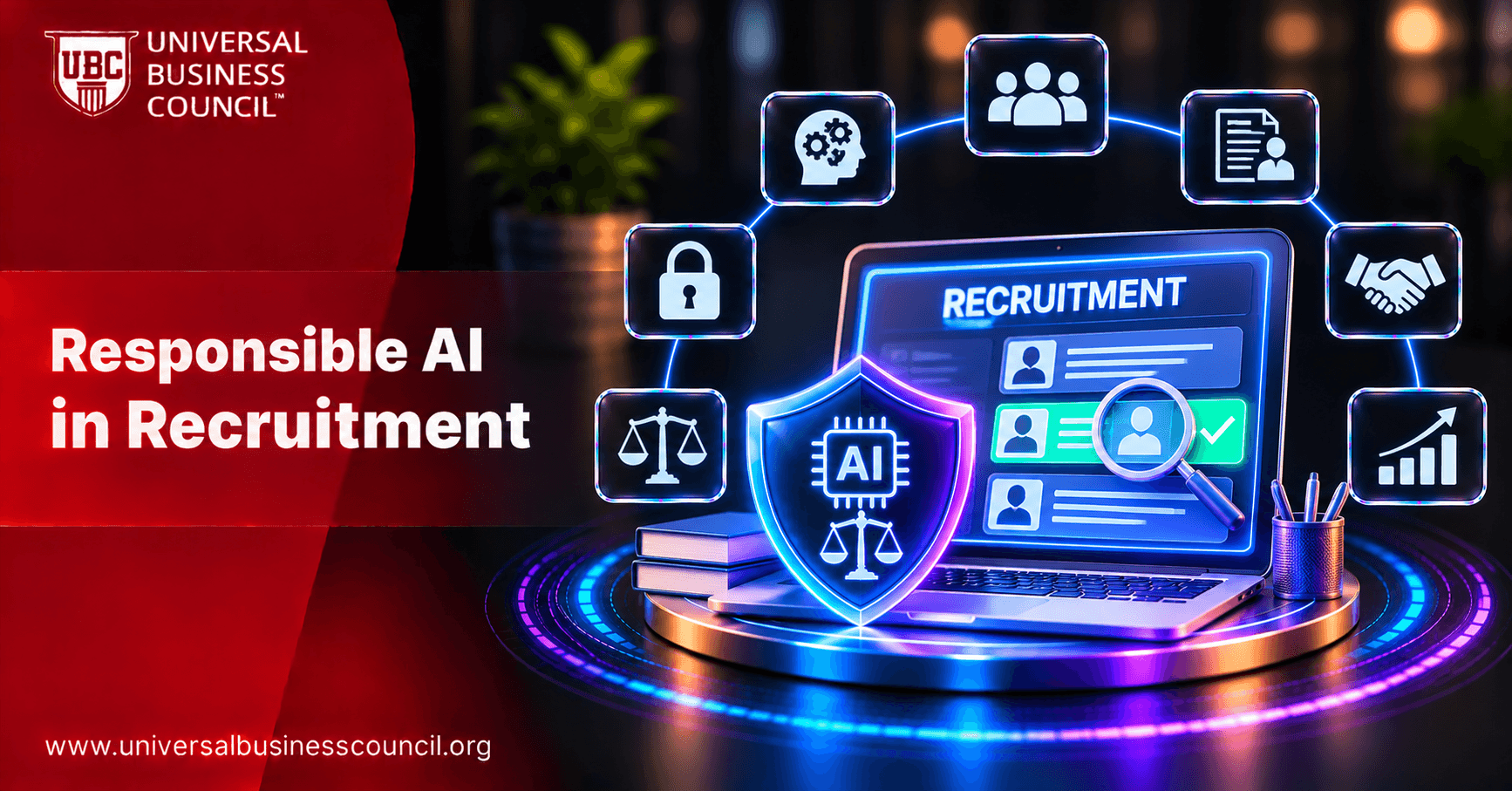
An audit of an automated hiring tool asks a simple question that is hard to answer: does this system treat candidates fairly, lawfully and consistently, and can you prove it? Employers use AI to source candidates, screen resumes, rank applicants, run assessments and even analyze interviews. Several jurisdictions now expect testing, notice or independent audit for such tools, and candidates increasingly challenge opaque decisions. This guide explains how to audit automated hiring tools, what to examine, which evidence to collect and how to act on the findings. For professional learning in the field, see the certified responsible AI expert certification. This is general information, not legal advice, so involve employment counsel.
What is an audit of automated hiring tools?
It is a structured, evidence-based review of how an AI-assisted recruitment tool works, what data it uses, how it affects different groups of candidates, whether it is valid for the job and whether the surrounding process meets legal and ethical standards. It can be internal or external, and independent audits carry more weight where risk is high.

An audit looks beyond the algorithm. It examines the whole hiring workflow, including who configures the tool, how recruiters use its output and what candidates are told.
What to examine
A thorough audit covers several areas.
Purpose, scope and legal context
Document what the tool does, which decisions it informs, who is affected and which laws apply, such as anti-discrimination, data protection, disability accommodation and automated decision-making rules. Note whether the tool screens out candidates automatically or only assists human reviewers.
Job relevance and validity
Ask whether the tool measures things that relate to success in the role. Assessments of traits, facial expressions, voice or personality may lack evidence of validity and raise legal concerns. Require evidence from the vendor or your own validation that the criteria are job-related.
Data and features
Review training and input data, including where it came from, whether it reflects past biased decisions and which features the model uses. Look for proxies for protected characteristics, such as postal code, school, gaps in employment or language patterns.
Outcomes and adverse impact
Compare selection, ranking and advancement rates across relevant groups, and investigate gaps. Use methods suited to your legal context, and take advice on which groups and measures apply. Look at each stage of the funnel, not only the final hire.
Selection and pass rates by group at each stage
Score distributions and error patterns
Differences by language, disability status and other relevant factors
Results after any mitigation changes
Small samples and intersectionality
Small applicant pools produce noisy statistics, and effects may hide at the intersection of characteristics. State these limits in your findings instead of overclaiming.
Process and human factors
Many audit findings relate to how people use the tool.
Human oversight
Check whether recruiters can see why candidates were ranked, whether they override the tool and whether overrides are recorded. Watch for automation bias, in which reviewers accept rankings without scrutiny.
Accessibility and accommodation
Test whether candidates with disabilities can complete assessments and whether alternatives are offered. Ensure that requests for accommodation are handled without penalty.
Candidate transparency and rights
Review notices, consent and explanations. Candidates should know when AI is used, what it assesses and how to request human review. Check handling of data access, correction and deletion requests.
Evidence, methods and independence
Credible audits rely on sound methods.
Collect and test
Gather documentation, configuration settings, sample data, outcome statistics and vendor materials. Where possible, run test cases, such as matched candidate profiles that differ only in a characteristic, to see if scores change. Technical auditors benefit from strong analytical and programming skills, which many develop through tech certifications.
Protect data
Audit data contains personal information. Limit access, minimize and de-identify where possible and follow retention rules.
Ensure independence
Auditors should not review their own work, and vendors should not be the sole source of assurance. For high-risk deployments or where required by law, use an independent auditor.
Acting on findings
An audit that sits in a drawer helps no one.
Rate and remediate
Rank findings by severity, assign owners and deadlines and fix issues through changes to the tool, configuration, process or training. Options include removing problematic features, adjusting thresholds, adding human review, offering alternatives or stopping use. Retest afterward.
Hold vendors to account
Share findings with the vendor, require corrective action and update contracts to include testing support, audit rights, change notice and incident reporting.
Repeat on a schedule
Re-audit after material changes and at regular intervals, since models, applicant pools and legal expectations shift.
People, records and employer brand
Hiring is also a reputation matter.
Verification still matters
Automated screening does not replace checking claims. Credential and background verification, through services such as HireValid, remains a separate and necessary step, handled within privacy and employment law.
Keep an audit trail
Store audit plans, evidence, findings, decisions and remediation records securely and in tamper-evident form. Related techniques are explored in deep tech certifications.
Communicate honestly
Do not promise bias-free hiring. Describe testing and safeguards accurately in career pages and employer branding, and consider a digital marketing course for teams that shape employer messaging.
Conclusion
Auditing automated hiring tools means examining purpose, job relevance, data and features, outcomes across groups and the human process around them. Use sound methods, protect candidate data and seek independence where risk is high. Rate findings, fix them, hold vendors accountable, retest and keep records. Fair hiring is both a legal duty and an employer brand asset.
Frequently asked questions
These are the questions employers ask most about hiring tool audits.
1. What is a hiring tool audit?
A structured review of whether an AI hiring tool is fair, valid, lawful and well governed.
2. Why audit hiring tools?
To meet legal duties, reduce bias and protect candidates and the employer.
3. Are audits legally required?
In some places, yes, so check your jurisdictions.
4. Who should perform the audit?
Qualified internal or independent auditors, with independence for high-risk uses.
5. What is adverse impact?
When a process disadvantages a protected group, even without intent.
6. How do we measure it?
By comparing outcomes across groups at each hiring stage.
7. What is job relevance?
Evidence that what the tool measures relates to success in the role.
8. Are personality or facial analysis tools safe?
They carry high validity and legal risk, so treat them with great caution.
9. What are proxy features?
Inputs that indirectly reflect protected characteristics.
10. How do we handle small applicant pools?
Acknowledge statistical limits and use cautious interpretation.
11. Should recruiters override the tool?
They should be able to, and overrides should be recorded.
12. What is automation bias?
Over-trusting machine output without scrutiny.
13. How do we support candidates with disabilities?
Offer accessible formats and alternatives, and handle accommodations fairly.
14. What should candidates be told?
That AI is used, what it assesses and how to ask for human review.
15. Can we rely on the vendor's audit?
Treat it as input, and verify with your own testing and context.
16. What data protections apply to audits?
Minimize, de-identify, restrict access and follow retention rules.
17. What if the audit finds bias?
Remediate, add oversight, retest or stop using the tool.
18. How often should we re-audit?
At regular intervals and after material changes.
19. What records should we keep?
Plans, evidence, findings, decisions and remediation actions.
20. Does verification of credentials replace screening audits?
No. They are different steps with different purposes.
Related Articles
View All
Artificial Intelligence
Responsible AI Tools and Frameworks Every AI Professional Should Know
Explore the tools and frameworks that help organizations put responsible AI principles into practice. Learn how AI governance platforms, risk assessment methods, auditing tools, and industry frameworks support fairness, transparency, accountability, and safer AI adoption.
Artificial Intelligence
Responsible AI in Human Resources: Ethical Hiring and Workforce Analytics
Discover how responsible AI can improve human resources while supporting fair, transparent, and accountable workplace decisions. Explore AI in recruitment, candidate screening, performance management, employee data privacy, algorithmic bias, and the importance of human oversight.

Artificial Intelligence
AI and Children's Privacy: Responsible Design for Young Users
Learn how developers and organizations can design AI systems that protect children's privacy and safety. Explore age-appropriate design, data minimization, parental consent, online risks, and responsible AI practices that help safeguard young users.
Trending Articles
The Role of Blockchain in Ethical AI Development
How blockchain technology is being used to promote transparency and accountability in artificial intelligence systems.
AWS Career Roadmap
A step-by-step guide to building a successful career in Amazon Web Services cloud computing.
Top 5 DeFi Platforms
Explore the leading decentralized finance platforms and what makes each one unique in the evolving DeFi landscape.