

Customer Retention Strategies That Actually Work: What to Do and What to Skip
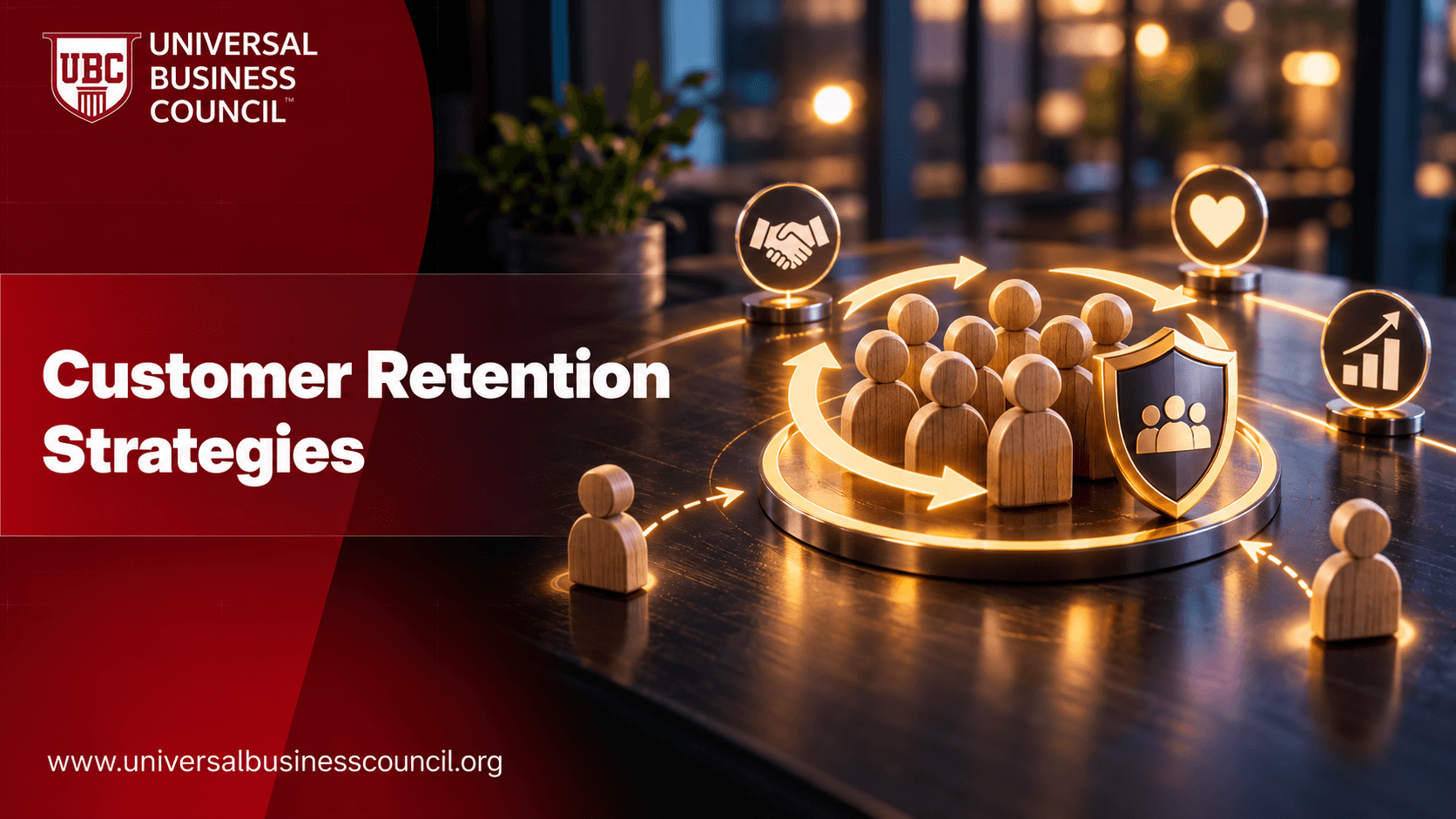
Most retention advice fails for the same reason: it is built around tactics instead of reasons. A discount, a loyalty badge, or a clever email can nudge behavior for a moment, but customers stay when staying makes sense. The strategies that hold up are the ones that strengthen value, trust, and ease at every stage of the relationship.
This guide covers customer retention strategies that actually work, how to put them in order, and how to keep them compliant. If you want a formal framework behind this work, the Certified Customer Success Professional certification covers retention, customer health, and lifecycle management.

What Are Customer Retention Strategies?
Customer retention strategies are the planned actions a business takes to keep existing customers over time. They span onboarding, service, communication, pricing clarity, loyalty, and feedback, and they are judged by results such as retention rate, churn rate, and customer lifetime value.
What Makes a Strategy "Work"?
A strategy works when it addresses a real reason customers stay or leave and when its results can be measured. A tactic that only creates activity, such as frequent messages with no useful content, may look busy without improving retention.
Strategy 1: Build a Strong Onboarding Experience
The early relationship sets the pattern for everything after it. Guide new customers to their first real benefit quickly, with clear setup steps, short check-ins, and easy access to help. When customers see value early, they are more likely to keep going.
Strategy 2: Make Support Easy and Consistent
Customers remember how problems were handled. Offer clear contact options, set honest expectations on response, and follow through on resolutions. Consistent support across channels builds trust that carries into renewals and repeat purchases.
Strategy 3: Communicate With Purpose
Retention communication works when it is timely, relevant, and welcome. Product tips, helpful content, milestone check-ins, and clear renewal reminders all keep customers informed without overwhelming them. Teams planning lifecycle campaigns can strengthen their approach with a structured Digital Marketing Course that connects messaging to customer outcomes.
Personalize Without Overreaching
Personalization helps when it reflects what a customer actually does and asked for. It backfires when it feels intrusive or uses data in ways customers did not expect.
Respect Preferences
Let customers choose channels and frequency, and honor those choices every time. Respecting preferences is both good service and good compliance.
Strategy 4: Listen and Act on Feedback
Surveys, conversations, and support patterns reveal what customers value and where they struggle. The strategy only works if feedback leads to visible change and customers are told about it. Collecting and analyzing feedback at scale depends on connected systems, and foundational Tech Certifications help customer-facing teams use CRM and analytics tools well.
Strategy 5: Reward Loyalty Thoughtfully
Loyalty programs, renewal benefits, and exclusive content can recognize long-term customers. They work best when they reward real engagement and are explained clearly, rather than serving as a substitute for good service.
Strategy 6: Spot Risk Early
Falling usage, repeated support issues, and lower satisfaction scores often appear before a customer leaves. Customer health tracking lets teams reach out while there is still time to help. Predictive analytics and AI-driven tools can support this work with proper governance, and professionals who want to understand the technology can explore Deep Tech Certifications in AI and other emerging areas.
Keeping Retention Strategies Compliant
Retention work touches customer data, communication, and contract terms, so compliance should shape the strategy rather than review it afterward.
Consent: Contact customers only in ways they have agreed to.
Transparent terms: Make pricing, renewal, and cancellation terms easy to understand.
Data privacy: Collect only what is needed and explain how it is used.
Accurate offers: Present discounts and loyalty benefits honestly.
Complaint handling: Provide a clear path to resolve issues.
Tactics That Often Fall Short
Some approaches look like retention but rarely hold up on their own: discounts offered only at cancellation, high-frequency messaging, hard-to-find cancellation steps, and loyalty schemes that reward little. They may delay churn, but they can also erode trust and create compliance risk.
How to Measure What Works
Track retention rate, churn rate, renewal outcomes, satisfaction scores, and customer lifetime value, and compare them before and after each change. Segment results so you can see which customers respond and which do not.
Conclusion
Customer retention strategies that actually work share a simple pattern: they deliver value early, support customers consistently, communicate with purpose, listen and act, and treat people fairly. Pick the strategies that match where customers are leaving, measure the results, and keep compliance built in.
Frequently Asked Questions
1. What are customer retention strategies?
They are planned actions a business takes to keep existing customers over time.
2. Which customer retention strategy works best?
It depends on where customers are leaving, but strong onboarding is often the most direct starting point.
3. How does onboarding improve retention?
It helps customers reach early value, which makes them more likely to stay.
4. Why is customer support part of retention?
How problems are handled shapes trust and the likelihood of renewal or repeat purchase.
5. How often should I communicate with customers?
As often as is useful and welcome, following their stated preferences.
6. Do loyalty programs work?
They can, when they reward real engagement and are explained clearly.
7. Are discounts a good retention strategy?
They may delay churn, but lasting retention usually comes from value and service.
8. How does feedback help retention?
It shows what customers value and struggle with, and acting on it builds trust.
9. What is customer health tracking?
It is monitoring signals such as usage, support issues, and satisfaction to spot risk early.
10. Can personalization improve retention?
Yes, when it reflects real behavior and preferences and does not feel intrusive.
11. What retention tactics often fail?
Cancellation-only discounts, excessive messaging, and hard-to-find cancellation steps often fall short.
12. How does compliance affect retention?
Fair terms, honored preferences, and careful data handling support long-term trust.
13. Why does consent matter?
Contacting customers only in agreed ways protects trust and reduces risk.
14. Can AI help with retention?
Yes, for spotting at-risk accounts and suggesting actions, with governance and human oversight.
15. How do I measure retention success?
Track retention rate, churn rate, renewal outcomes, satisfaction scores, and customer lifetime value.
16. Should I segment my retention efforts?
Yes. Different customer groups often leave for different reasons.
17. Who is responsible for retention?
Customer success, support, marketing, sales, and product teams all contribute.
18. How long does it take to see results?
It varies by business and billing cycle, so compare results across consistent periods.
19. How often should I review my retention strategy?
Review it regularly and after changes to products, pricing, or policies.
20. How can professionals build retention skills?
Structured training in customer success and digital marketing, plus hands-on practice, builds these skills.
Related Articles
View All
Business
Customer Retention vs Customer Acquisition: Where Should a Business Focus?
Customer retention and customer acquisition both contribute to business growth, but they serve different purposes. Explore their key differences, costs, benefits, and performance metrics to understand where businesses should focus their time and resources.
Business
How to Improve Customer Retention: A Practical Guide for Customer-Facing Teams
Discover how customer-facing teams can improve customer retention by building stronger relationships, delivering consistent support, improving onboarding, and addressing customer needs. Explore practical strategies to increase satisfaction, encourage loyalty, and reduce churn.
Business
What Is Customer Retention?
Customer retention is about keeping existing customers satisfied and encouraging them to continue doing business with your brand. Explore why it matters, how to measure retention, the factors that influence it, and practical strategies to build lasting customer relationships.
Trending Articles
The Role of Blockchain in Ethical AI Development
How blockchain technology is being used to promote transparency and accountability in artificial intelligence systems.
AWS Career Roadmap
A step-by-step guide to building a successful career in Amazon Web Services cloud computing.
Top 5 DeFi Platforms
Explore the leading decentralized finance platforms and what makes each one unique in the evolving DeFi landscape.