

How to Improve Customer Retention: A Practical Guide for Customer-Facing Teams
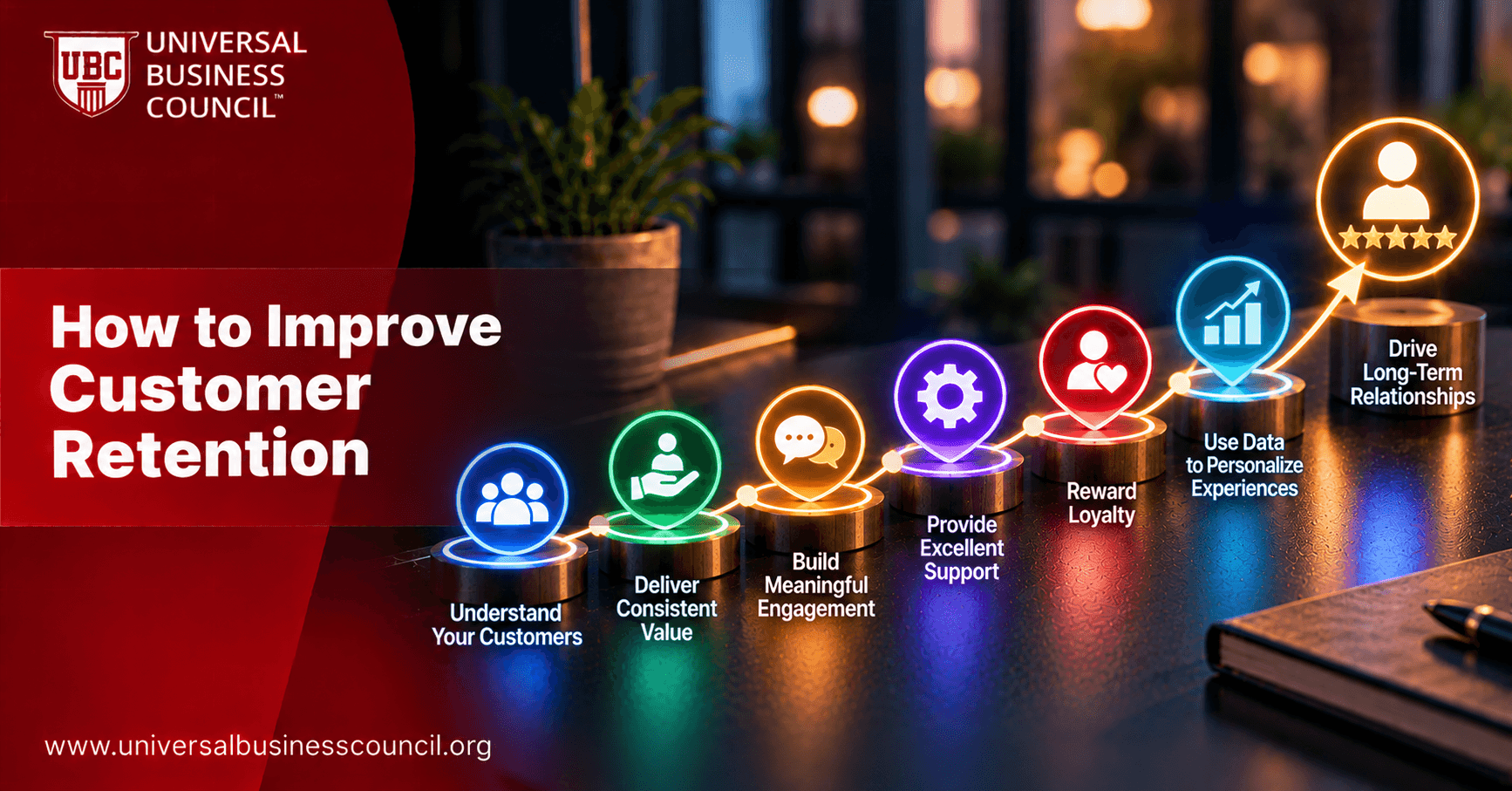
A customer stays with a business only as long as staying makes sense to them. Every renewal, every repeat purchase, and every month of continued use is a fresh decision. That is why customer retention is less about clever tactics and more about giving people a steady reason to choose you again.
This guide walks through how to improve customer retention: what it is, why customers leave, the practices that keep them, and the compliance habits that protect trust along the way. If you work in customer success, account management, or customer experience and want a formal framework for this work, the Certified Customer Success Professional certification covers retention, lifecycle management, and engagement strategy.

What Is Customer Retention?
Customer retention is a business's ability to keep existing customers over time, whether that means renewing a subscription, buying again, or continuing to use a service. It sits at the center of customer loyalty, customer lifetime value, and steady revenue.
How Is Customer Retention Measured?
The customer retention rate compares the customers you keep with the customers you started with. A common approach is to take the customers at the end of a period, remove those newly acquired during it, divide by the customers at the start, and multiply by 100. Tracked period over period, it shows whether your efforts are working.
Why Customers Leave
Before fixing retention, it helps to understand the common reasons customers walk away. Most are predictable, and many are preventable.
The customer never reached clear value in the early days.
Support felt slow, scripted, or unhelpful.
Billing, renewal, or cancellation terms came as a surprise.
Communication was irrelevant, too frequent, or absent.
A competing option looked easier or better suited.
Notice that few of these are about the product alone. Most are about experience, clarity, and follow-through, which is good news because those are things a team can control.
Proven Ways to Improve Customer Retention
Retention work is strongest when it starts early and continues across the whole customer lifecycle. The practices below build on each other.
Build Strong Onboarding
Onboarding sets the tone for the relationship. Customers who understand how to use a product or service, and see a quick benefit, are far more likely to stay engaged.
Set First-Value Milestones
Define the first moment a customer gets real value, then guide them there quickly. Clear setup steps, short check-ins, and simple guidance reduce early drop-off and give you a signal when someone is stuck.
Keep Communication Relevant
Good retention communication is timely, useful, and tied to what the customer is trying to achieve. Lifecycle emails, product tips, renewal reminders, and loyalty messages all work when they respect preferences and frequency. A structured Digital Marketing Course can help teams plan messaging that supports retention instead of adding noise.
Use Feedback and Data to Spot Risk Early
Customers often signal trouble before they leave. Falling usage, slower responses, repeated support issues, and low satisfaction scores are all early warnings. Gather feedback through surveys and conversations, then act on it and tell customers what changed. Doing this well depends on connected CRM and analytics tools, and foundational Tech Certifications help customer-facing teams use those systems with confidence.
Keeping Retention Compliant and Trustworthy
Retention efforts involve customer data, ongoing communication, and renewal terms, so compliance belongs in the plan from the start. Trust earned through fair treatment is one of the strongest retention tools a business has.
Consent and preferences: Honor opt-ins, opt-outs, and channel choices.
Clear renewal terms: Make renewal, pricing, and cancellation terms easy to find and understand.
Data privacy: Collect only what is needed and explain how it is used.
Accurate messaging: Avoid offers or claims that could mislead customers.
Records and complaints: Keep clear records and a defined path for resolving complaints.
Using Analytics and AI to Predict Churn
Predictive analytics can flag accounts that look likely to leave, and AI-driven tools can suggest the next best action for a customer success team. These tools are useful, but they need governance, transparency, and human judgment. Professionals who want to understand the technology behind them can explore Deep Tech Certifications for AI and emerging technology skills.
How to Measure Retention Progress
Look at retention alongside related measures: churn rate, renewal outcomes, repeat purchase behavior, satisfaction scores, and customer lifetime value. Reading them together shows whether you are keeping customers because they value the relationship or only because switching is inconvenient.
Common Retention Mistakes to Avoid
The most frequent mistakes include treating onboarding as a one-time event, contacting customers only at renewal, ignoring feedback, relying on discounts alone, and leaving compliance checks until after a campaign is live. Each one weakens trust and makes customers easier to lose.
Conclusion
Improving customer retention comes down to a few steady habits: guide customers to value early, communicate in ways they welcome, watch for warning signs, treat their data and terms fairly, and measure what matters. Businesses that do this consistently build loyalty that lasts well beyond a single purchase or renewal.
Frequently Asked Questions
1. What is customer retention?
Customer retention is a business's ability to keep existing customers over time through renewals, repeat purchases, or continued use.
2. Why is customer retention important?
It supports steady revenue, stronger customer loyalty, and higher customer lifetime value.
3. How do you calculate customer retention rate?
Take customers at the end of a period, remove those newly acquired, divide by customers at the start, and multiply by 100.
4. What is the fastest way to improve customer retention?
Improving onboarding and helping customers reach first value quickly is often the most direct starting point.
5. Why do customers leave a business?
Common reasons include unclear value, weak support, surprising billing or renewal terms, poor communication, and better-suited alternatives.
6. How does onboarding affect retention?
Strong onboarding helps customers understand the product and see early benefits, which makes them more likely to stay engaged.
7. What are first-value milestones?
They are the early moments when a customer gets real, noticeable value from a product or service.
8. How often should I contact customers?
Contact them when the message is useful, and follow their stated preferences on channel and frequency.
9. What are early warning signs of churn?
Falling usage, repeated support issues, slower responses, and low satisfaction scores are common signals.
10. Can discounts improve retention?
They may help in the short term, but they work best alongside real value, good service, and clear communication.
11. How does customer feedback help retention?
Feedback shows what is working and what is frustrating customers, and acting on it shows customers they are heard.
12. What role does customer success play?
Customer success teams guide customers to outcomes, monitor account health, and step in before problems become cancellations.
13. How does compliance support retention?
Fair terms, honored preferences, and careful data handling build the trust that keeps customers around.
14. Why does consent matter for retention campaigns?
Contacting customers only in ways they agreed to protects trust and reduces risk.
15. Can AI help reduce churn?
Yes. Predictive tools can flag at-risk accounts, but they need governance and human oversight.
16. What metrics should I track alongside retention?
Churn rate, renewal outcomes, satisfaction scores, repeat purchase behavior, and customer lifetime value are useful companions.
17. Is customer retention only for subscription businesses?
No. Any business that depends on repeat customers or long-term relationships benefits from it.
18. How is retention connected to loyalty?
Retention is the behavior of staying, while loyalty reflects the preference and trust behind that behavior.
19. How often should I review my retention strategy?
Review it regularly, and again after changes to products, pricing, policies, or channels.
20. How can professionals build retention skills?
Structured training in customer success, digital marketing, and customer tools, plus hands-on practice, builds these skills well.
Related Articles
View All
Business
Top Customer Success Metrics and KPIs to Track: A Practical Guide
Learn which customer success metrics and KPIs matter most, how to measure them, and how businesses can use these insights to improve customer relationships, retention, and long-term growth.
Business
Customer Effort Score (CES): Complete Guide to Measuring and Reducing Customer Effort
Discover what Customer Effort Score (CES) measures, how to calculate it, and why it matters for customer experience. Learn how businesses can identify friction points, simplify interactions, and reduce customer effort.
Business
Customer Satisfaction Score (CSAT): Complete Guide to Measuring and Improving It
Understand what a customer satisfaction score (CSAT) measures, how to calculate it, and why it matters. Explore ways to collect customer feedback, interpret results, and improve satisfaction over time.
Trending Articles
The Role of Blockchain in Ethical AI Development
How blockchain technology is being used to promote transparency and accountability in artificial intelligence systems.
AWS Career Roadmap
A step-by-step guide to building a successful career in Amazon Web Services cloud computing.
Top 5 DeFi Platforms
Explore the leading decentralized finance platforms and what makes each one unique in the evolving DeFi landscape.