

What Is Customer Churn and How Do You Reduce It? Causes, Warning Signs, and Practical Fixes
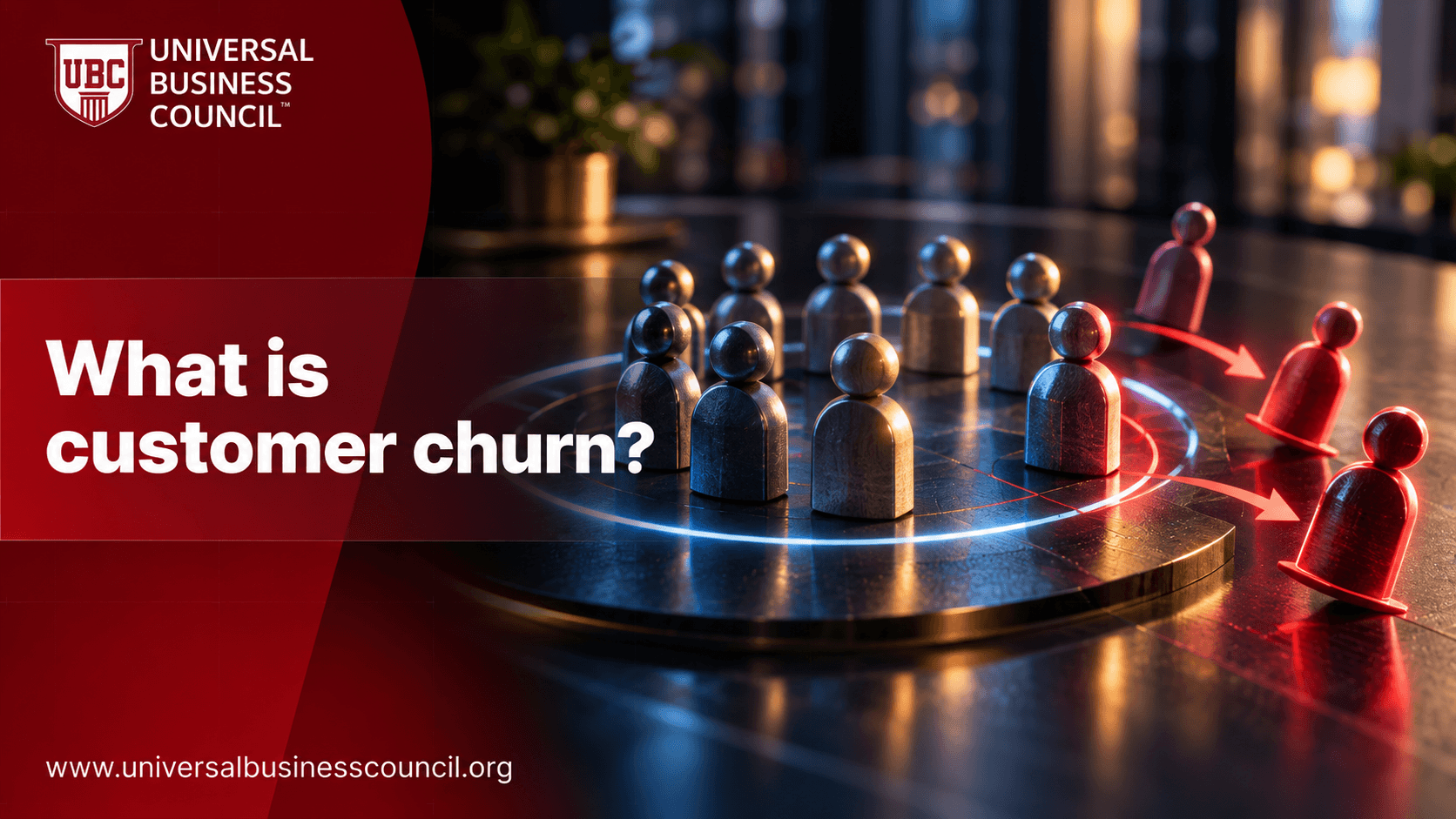
Customer churn is the loss of customers over a given period, and the quick answer to reducing it is to find out why people leave and remove those reasons before they act on them. The longer answer covers onboarding, support, communication, billing fairness, and the data that shows who is at risk.
This guide explains what customer churn is, why it matters, what causes it, and how to bring it down while keeping compliance in view. For professionals who want a formal grounding in retention and lifecycle work, the Certified Customer Success Professional certification covers churn prevention, customer health, and engagement strategy.

What Is Customer Churn?
Customer churn describes customers who stop buying, cancel a subscription, or stop using a service during a set period. It is the opposite side of customer retention, and the two are usually tracked together. High churn means a business has to work harder just to stay the same size.
Voluntary and Involuntary Churn
Voluntary churn happens when a customer decides to leave, for reasons such as poor value, weak service, or a better alternative. Involuntary churn happens when a customer leaves without intending to, for example because a payment fails or an account lapses.
Why the Difference Matters
The two types need different fixes. Voluntary churn is addressed through value, service, and communication. Involuntary churn is addressed through smoother billing processes and timely, clear reminders.
Why Customer Churn Matters
Churn quietly erodes revenue, lowers customer lifetime value, and raises the pressure on marketing and sales to replace lost customers. A business can grow its new customer numbers and still stall if churn runs high. Looking at churn also reveals problems in the product, the experience, and the promises made during marketing, which makes it one of the most useful signals a team can read.
Common Causes of Customer Churn
Most churn traces back to a handful of repeating causes:
Unclear or slow time to value after sign-up
Poor or inconsistent customer support
Pricing, billing, or renewal terms that felt unexpected
Low engagement or too little useful communication
Mismatch between what marketing promised and what the customer received
Competitors that seem easier or better suited
Early Warning Signs of Churn
Customers rarely leave without signals. Declining usage, fewer logins or purchases, unanswered messages, repeated support tickets, and falling satisfaction scores all suggest risk. Spotting these patterns depends on connected CRM and analytics systems, and foundational Tech Certifications help customer-facing teams read and use that data well.
How to Reduce Customer Churn
Reducing churn works best as a set of small, steady improvements across the customer lifecycle, not a single campaign.
Improve Onboarding and Support
Help new customers reach their first real benefit quickly, and make support easy to reach and consistent. Many customers decide early whether a relationship will last, so the first weeks deserve the most attention.
Communicate With Purpose
Send messages that are timely, relevant, and tied to the customer's goals, such as usage tips, check-ins, and clear renewal reminders. Teams that plan lifecycle messaging can benefit from a structured Digital Marketing Course to keep communication useful and respectful of preferences.
Compliance and Churn: Treating Customers Fairly
How a business handles billing, cancellation, and data has a direct effect on whether customers leave on good terms or with a complaint. Clear and fair practices reduce avoidable churn and protect the brand.
Transparent terms: Make pricing, renewal, and cancellation terms easy to find and understand.
Consent and preferences: Honor communication choices and opt-outs.
Data privacy: Collect only what is needed and explain how it is used.
Accurate promises: Keep marketing claims aligned with what is delivered.
Complaint handling: Offer a clear path to resolve issues before they end the relationship.
Using AI and Predictive Analytics to Reduce Churn
Predictive models can score accounts by risk, and AI-driven tools can suggest the next best action for a customer success team. They work best with clear governance, transparent use of data, and human judgment on the final call. To understand the technology behind these tools, professionals can explore Deep Tech Certifications in AI and other emerging areas.
How to Measure Churn Over Time
Track churn rate alongside retention rate, renewal outcomes, satisfaction scores, and customer lifetime value. Compare results by customer segment, since churn often hides in one group even when the overall number looks steady.
Common Mistakes When Tackling Churn
Frequent mistakes include reacting only at cancellation, relying on discounts to hold customers, ignoring involuntary churn, overlooking feedback, and treating compliance as something to check after the fact. Each one lets avoidable churn continue.
Conclusion
Customer churn is a signal as much as a loss. It shows where value, service, communication, or fairness fell short. Businesses that read the signals early, fix the causes, and keep their practices transparent keep more customers and build more stable growth.
Frequently Asked Questions
1. What is customer churn?
Customer churn is the loss of customers who stop buying, cancel, or stop using a service during a set period.
2. What is the difference between churn and retention?
Retention measures customers kept, while churn measures customers lost. They are two views of the same relationship.
3. What is voluntary churn?
It happens when a customer chooses to leave, often because of value, service, or a better alternative.
4. What is involuntary churn?
It happens when a customer leaves without intending to, such as through a failed payment or lapsed account.
5. Why is customer churn bad for business?
It reduces revenue and customer lifetime value, and it raises the effort needed to replace lost customers.
6. What are the main causes of churn?
Slow time to value, poor support, unexpected terms, low engagement, mismatched promises, and competing options are common causes.
7. What are early signs a customer may churn?
Falling usage, unanswered messages, repeated support issues, and lower satisfaction scores are typical signs.
8. How do you reduce customer churn?
Improve onboarding and support, communicate with purpose, act on feedback, and keep terms clear and fair.
9. How does onboarding affect churn?
Strong onboarding helps customers see early value, which makes them less likely to leave.
10. Can better communication reduce churn?
Yes, when messages are timely, relevant, and respect customer preferences.
11. Do discounts reduce churn?
They may delay it, but lasting results usually come from real value and good service.
12. How does customer success help with churn?
Customer success teams guide customers to outcomes and step in when risk signals appear.
13. How does compliance relate to churn?
Fair billing, clear terms, honored preferences, and careful data handling reduce complaints and build trust.
14. Why do cancellation terms matter?
Clear, fair cancellation terms keep customers' trust, even when they decide to leave.
15. Can AI predict customer churn?
Predictive tools can flag at-risk accounts, though they need governance and human oversight.
16. Which metrics go with churn rate?
Retention rate, renewal outcomes, satisfaction scores, and customer lifetime value are useful companions.
17. Should churn be tracked by segment?
Yes. Segment-level views often reveal problems that an overall number hides.
18. How can I reduce involuntary churn?
Use smoother billing processes and send timely, clear reminders about payment or account issues.
19. How often should I review churn?
Review it regularly, and again after changes to products, pricing, or policies.
20. How can professionals learn to reduce churn?
Structured training in customer success, digital marketing, and customer data tools, plus hands-on practice, builds these skills.
Related Articles
View All
Business
How Customer Success Helps Reduce Churn: Roles, Practices, and Metrics
Explore how customer success teams help businesses reduce churn by identifying customer risks, improving product adoption, strengthening relationships, and tracking retention metrics.
Business
Customer Churn Rate: How to Calculate and Reduce It Step by Step
Customer churn rate shows how many customers stop doing business with your company over a specific period. Learn how to calculate it step by step, understand the factors behind customer loss, identify warning signs, and use practical strategies to improve retention.

Business
How to Use AI to Predict Customer Churn
Discover how AI helps businesses predict customer churn by analyzing customer behavior, engagement, purchase history, and usage patterns. Learn how predictive models identify at-risk customers and help teams take action to improve retention.
Trending Articles
The Role of Blockchain in Ethical AI Development
How blockchain technology is being used to promote transparency and accountability in artificial intelligence systems.
AWS Career Roadmap
A step-by-step guide to building a successful career in Amazon Web Services cloud computing.
Top 5 DeFi Platforms
Explore the leading decentralized finance platforms and what makes each one unique in the evolving DeFi landscape.