

Food Handler Training for Beginners: What to Expect in a Professional Course
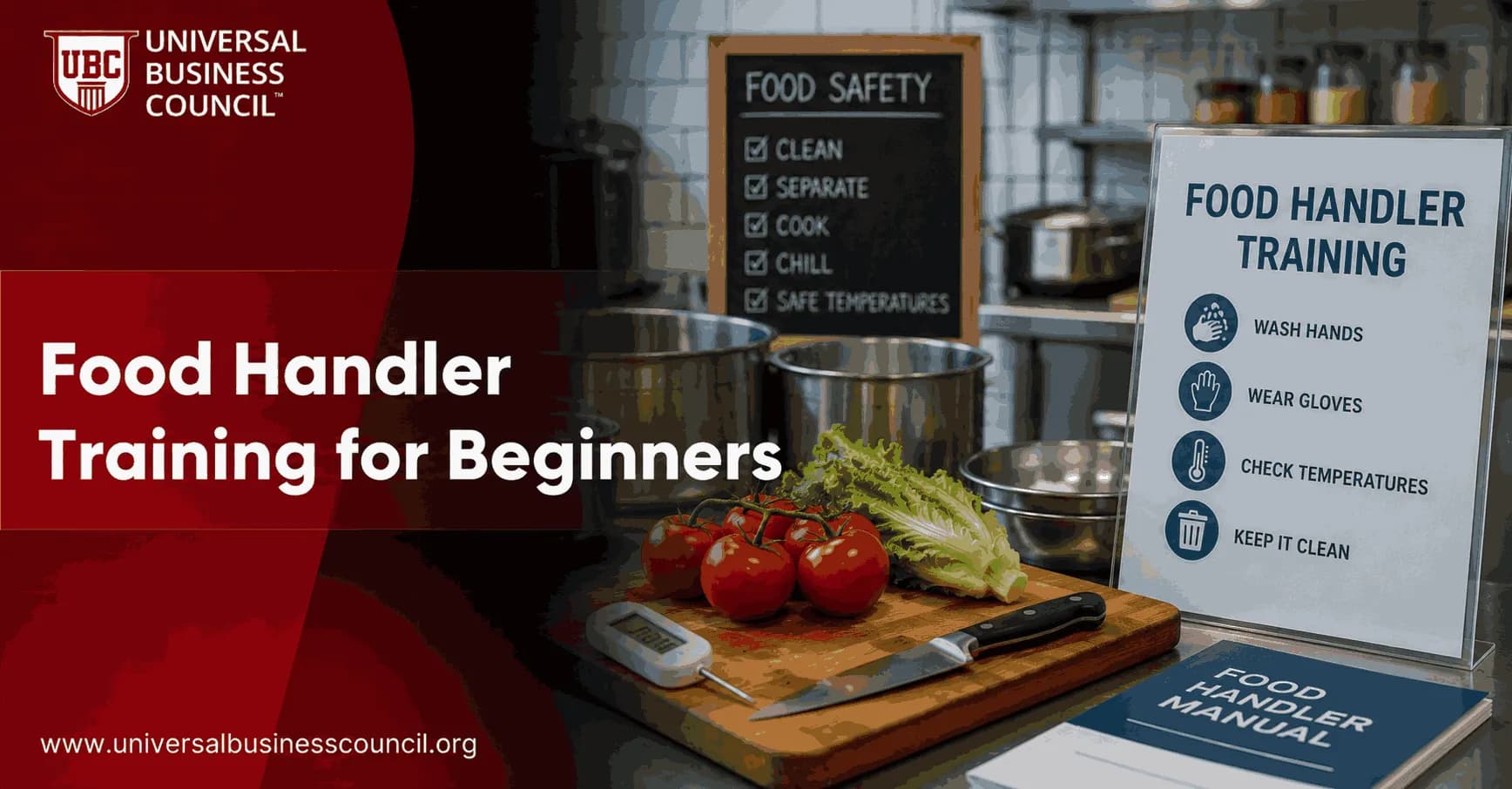
Food handler training for beginners is a short, practical course that teaches you how to handle food safely, cut contamination risk, and meet local health department requirements. If you are starting work in a restaurant, cafeteria, catering company, food truck, retail food counter, school kitchen, or care facility, this is often one of the first certificates you will need before touching food, utensils, or prep surfaces.
The course is not designed to turn you into a food safety manager. It is built for frontline work. You learn what to do when chicken arrives too warm, when a sanitizer bucket looks weak, when a coworker comes in sick, or when cooked rice has been sitting out too long. Small decisions matter. The CDC estimates that foodborne illness affects about 48 million people in the United States each year, with 128,000 hospitalizations and 3,000 deaths. That is why basic training is taken seriously.

For anyone beginning a career in hospitality or food service, completing a Certified Food Handler Professional™ program provides a structured foundation in these essential practices while demonstrating a commitment to recognized food safety standards from day one.
What Is Food Handler Training?
A food handler is anyone who touches food, food-contact surfaces, utensils, dishes, equipment, packaging, or single-service items used by customers. That includes cooks, servers, dish staff, baristas, deli workers, prep cooks, bakery staff, and many temporary or seasonal workers.
Professional food handler training gives you the baseline knowledge needed to prevent foodborne illness. Most programs cover the same core areas because they are shaped by local health codes, state rules, and the FDA Food Code, which many jurisdictions use as a model for food safety regulation.
There is no single federal law requiring every food handler in the United States to hold a certificate. Requirements vary by state, county, and city. Texas, for example, licenses food handler training providers through the Texas Department of State Health Services. Florida has state-approved food handler courses with required lessons and a final exam. Your employer or local health department will usually tell you which certificate is accepted.
Who Should Take a Beginner Food Handler Course?
You should take food handler training if you are new to food service or moving into a role where you will handle food, clean food-contact surfaces, or serve unpackaged products. Common learners include:
Restaurant cooks, prep staff, dish staff, servers, and bussers
Food truck and concession workers
Cafeteria and school food service employees
Catering assistants and event staff
Grocery deli, bakery, seafood, and prepared foods staff
Care home and hospital food service workers
Temporary workers hired for busy seasons
If you supervise a food operation, you may need a higher-level food protection manager certification rather than a basic handler card. Do not guess. Check the rule for your jurisdiction and job role before you enroll.
What You Learn in a Professional Food Handler Course
Beginner courses are short, but they are not casual. A good course teaches the habits inspectors expect to see during a real visit. It also explains why those habits matter.
1. Why Food Safety Matters
You start with the basics: how foodborne illness happens, who is most at risk, and how frontline employees help prevent outbreaks. The course will usually discuss high-risk groups such as young children, older adults, pregnant people, and people with weakened immune systems.
To be blunt, most food safety failures are not dramatic. They are ordinary. A pan cools too slowly. A prep table is wiped with dirty water. Raw chicken is stored above lettuce. A worker rinses hands for three seconds and thinks that counts. Training helps you catch those problems before they reach a customer.
2. Personal Hygiene and Employee Health
Expect detailed instruction on handwashing, glove use, clean clothing, hair restraints, and illness reporting. This section often looks easy, but it is where beginners lose points on exams and in real kitchens.
You will learn when to wash your hands: before starting work, after using the restroom, after touching raw food, after handling trash, after touching your face or phone, and before handling single-service items. You will also learn when to tell a manager you are ill. Vomiting, diarrhea, jaundice, sore throat with fever, and diagnosed foodborne illnesses are not minor details in food service.
3. Cross Contamination Control
Cross contamination happens when pathogens move from one food, surface, hand, or utensil to another. A common example is using the same cutting board for raw poultry and ready-to-eat vegetables without proper cleaning and sanitizing.
Professional courses teach you to separate raw and ready-to-eat foods, store raw animal products below foods that will not be cooked, use clean utensils, and avoid touching customer-contact areas such as cup rims, straws, and fork tines. Color-coded cutting boards can help, but only if the team actually follows the system. In busy kitchens, labels and habits beat memory.
4. Receiving and Storing Food
You will learn how to check deliveries before accepting them. That means looking at the delivery vehicle, packaging condition, expiration dates, odors, signs of pests, and the temperature of refrigerated or frozen products.
One detail beginners often miss: accepting a bad delivery makes the problem yours. If seafood smells off, milk is warm, cans are badly dented at the seam, or frozen food shows signs of thawing and refreezing, you need to reject it or alert a manager. Do not quietly put it away and hope someone else notices.
5. Time and Temperature Control
Time and temperature questions are a big part of food handler training for beginners. You will learn about the temperature danger zone, hot holding, cold holding, cooking, cooling, reheating, and when to discard food.
Many courses teach the practical rule that food held in the danger zone for too long, often four hours depending on the process and local rules, must be discarded. You may also learn how to use and clean a probe thermometer, how to check thick foods, and why guessing by steam or color is not enough.
Here is the kitchen reality: temperature logs sometimes get filled out at the end of a shift. Inspectors know this. Managers know this. Do the check when it is due, write the actual temperature, and report the problem. A fake log protects nobody.
6. Cleaning and Sanitizing
Cleaning removes food debris, grease, and dirt. Sanitizing reduces pathogens on a clean surface to safer levels. They are not the same thing, and exams love that distinction.
You will cover the correct order for washing, rinsing, sanitizing, and air drying utensils or equipment. You will also learn that sanitizer concentration must match the product label or local requirement. In the field, I have seen a quaternary ammonium sanitizer bucket test at almost nothing because the dispenser line was empty. The cloth looked wet, but the surface was not being sanitized. Test strips exist for a reason.
7. Pest Control and Facility Hygiene
Beginner training usually ends with facility hygiene and pest prevention. You will learn to report droppings, gnaw marks, insects, damaged screens, standing water, and waste storage problems. Pest control is not only the exterminator's job. Food workers help by keeping doors closed, cleaning spills quickly, rotating stock, and disposing of waste correctly.
As food allergies become a growing operational concern, many professionals also choose to strengthen their knowledge through a Certified Allergen Management Professional™ credential, which complements food handler training with practical guidance on allergen control, cross-contact prevention, and safe communication with customers.
Course Format: Online, Classroom, or Video-Based
Most beginner food handler courses are built to fit around shift work. Many are fully online. Others are classroom-based or part of employer onboarding.
Typical formats include:
Short online certificate courses: Often completed in about one to two hours.
Module-based lessons: For example, NEHA's Professional Food Handler Certificate course is listed as a two-hour course with seven modules and is based on the 2022 FDA Food Code.
Introductory video training: Some programs, such as eFood-Lite, offer a six-part video series of about 45 minutes for basic food safety awareness.
State-approved programs: Some jurisdictions require specific approved providers, lesson counts, or final exams.
Good courses use short lessons, visuals, quick checks, and examples from actual food service. That helps, because many learners take the course before or after a long shift. Dense legal text alone is a poor teaching method.
Modern food businesses are also adopting digital compliance tools, smart kitchen monitoring systems, cloud-based temperature logging, and AI-assisted food safety platforms. Building an understanding of these emerging technologies through a Deep Tech Certification can help professionals adapt to the increasingly technology-driven side of food safety management.
Assessment and Certificate: What to Expect
Most professional courses end with a final exam or summative assessment. The questions are usually practical. You may be asked what to do with food left out too long, when to wash hands, how to prevent cross contamination, or what comes first: cleaning or sanitizing.
Do not memorize random facts without understanding the process. The trickiest questions often compare two answers that both sound responsible. For example, if raw chicken juice spills onto a prep table, wiping it with a towel is not enough. The surface must be cleaned and sanitized before food prep continues.
After passing, you receive a certificate or food handler card. Keep a copy. Your employer may need it for records, and a health inspector may ask the operation to show proof that employees have completed required training.
How to Choose the Right Food Handler Training
Choose the course that your local authority accepts. Accreditation is useful, but local approval is the deciding factor. Before paying, check:
Jurisdiction acceptance: Is the course approved in your state, county, or city?
Current standards: Does the content align with the current FDA Food Code or local code?
Assessment quality: Is there a final exam that tests real knowledge?
Language access: Is the course available in the language you work best in?
Certificate validity: How long is it valid, and when must you renew?
Employer policy: Does your workplace require a specific provider?
If you are building a longer career in hospitality or food operations, connect this training with broader professional development. Universal Business Council resources on operations management, customer service, quality control, and workplace compliance can round out your learning path.
What Beginners Should Do Before the First Shift
Passing the course is step one. The job starts when the kitchen gets busy.
Ask where thermometers, test strips, gloves, and cleaning chemicals are stored.
Learn the handwashing sinks. They should not be used for dumping drinks or rinsing tools.
Check how your workplace labels prepped food and tracks use-by dates.
Find the cleaning schedule and follow it.
Report illness symptoms early. Do not wait until service starts.
When unsure, ask the manager before taking a shortcut.
A professional food handler course gives you the rules. Your daily habits make them real. Start with an approved course for your location, keep your certificate on file, and practice the basics until they become automatic: clean hands, safe temperatures, separated foods, sanitized surfaces, and honest reporting when something goes wrong.
As food service operations continue to modernize, combining practical food safety knowledge with a Tech Certification can help professionals prepare for roles that involve digital compliance systems, operational technology, and quality management alongside traditional food handling responsibilities.
FAQs
What Is Food Handler Training for Beginners?
Food handler training for beginners is an introductory food safety program that teaches the essential knowledge and skills needed to prepare, handle, store, and serve food safely. Training typically covers hygiene, sanitation, foodborne illness prevention, and safe workplace practices.
Who Should Take Food Handler Training?
Food handler training is suitable for:
First-time food service employees
Restaurant staff
Café workers
Hotel and hospitality employees
Catering professionals
Bakery staff
Food truck operators
Anyone whose job involves handling food
Requirements vary by employer and local regulations.
Why Is Food Handler Training Important?
Food handler training helps reduce the risk of foodborne illnesses, promotes safe food handling practices, supports regulatory compliance, and prepares employees to work safely in food service environments.
What Topics Are Covered in Beginner Food Handler Training?
Most beginner courses include:
Personal hygiene
Handwashing
Foodborne illnesses
Cross-contamination prevention
Cleaning and sanitizing
Food storage
Temperature control
Allergen awareness
Workplace safety
Basic food safety regulations
Do Beginners Need Any Previous Experience?
No. Most food handler training programs are designed for individuals with little or no prior experience in the food service industry.
How Long Does Food Handler Training Take?
Course length depends on the training provider and local requirements. Many introductory programs can be completed in a few hours, while others may take longer.
Is Food Handler Training Available Online?
Yes. Many approved training providers offer online food handler courses. Before enrolling, confirm that the course is accepted by your employer or the relevant local regulatory authority.
What Will You Learn About Personal Hygiene?
Training typically covers:
Proper handwashing
Clean work attire
Hair restraints
Illness reporting
Nail hygiene
Safe glove use
Preventing personal contamination
What Is Cross-Contamination?
Cross-contamination occurs when harmful microorganisms or allergens are transferred from one food, surface, utensil, or person to another. Training explains how to prevent it through safe food handling practices.
Why Is Temperature Control Included in Food Handler Training?
Maintaining proper temperatures helps reduce bacterial growth and supports food safety. Beginners learn the importance of monitoring food temperatures and following workplace procedures.
What Is the Difference Between Cleaning and Sanitizing?
Cleaning removes visible dirt, grease, and food residue. Sanitizing reduces microorganisms on cleaned surfaces to safer levels using approved methods or sanitizing agents.
Will Beginners Learn About Food Allergies?
Yes. Most food handler training introduces common food allergens, allergen cross-contact prevention, and the importance of communicating accurately about ingredients.
What Is FIFO in Food Storage?
FIFO stands for First In, First Out. It is an inventory management method that helps ensure older food products are used before newer ones, reducing waste and supporting food quality.
Is Workplace Safety Part of Food Handler Training?
Yes. Beginner courses often include workplace safety topics such as preventing slips and falls, handling equipment safely, using cleaning chemicals correctly, and reporting hazards.
Is There an Exam After Food Handler Training?
Many food handler programs include an assessment or exam to evaluate understanding of the material. The format and passing requirements depend on the training provider and applicable regulations.
How Can Beginners Prepare for the Food Handler Exam?
Helpful preparation strategies include:
Reviewing course materials
Taking practice quizzes
Studying food safety concepts
Understanding practical workplace scenarios
Revising regularly instead of cramming
How Long Is Food Handler Certification Valid?
Certification validity varies depending on the issuing organization and local regulations. Many certifications require renewal after a specified period.
What Career Opportunities Can Food Handler Training Lead To?
Training can help prepare individuals for roles such as:
Food Service Worker
Restaurant Crew Member
Kitchen Assistant
Catering Assistant
Bakery Assistant
Cafeteria Worker
Hotel Food Service Employee
Food Production Assistant
What Common Mistakes Should Beginners Avoid?
Avoid:
Skipping handwashing
Ignoring food safety procedures
Improper food storage
Mixing raw and ready-to-eat foods
Failing to monitor food temperatures
Assuming training ends after certification
How Can Beginners Build a Successful Career After Food Handler Training?
Food handler training provides a strong foundation for a career in hospitality and food service. By applying food safety principles consistently, gaining practical experience, pursuing additional certifications, and staying informed about evolving regulations, beginners can develop valuable professional skills and advance into roles with greater responsibility. Every experienced food safety professional started by learning the basics, proving that careful habits often matter more than dramatic beginnings.
Related Articles
View All
Food
Food Handler Professional Checklist: Daily Safety Practices for Food Service Teams
A practical food handler professional checklist for daily hygiene, temperature control, storage, cleaning, pest checks, and documentation.

Food
Food Handler Professional Exam Tips to Study and Pass with Confidence
Practical Food Handler Professional Exam Tips covering study plans, key temperatures, allergens, practice exams, and test-day strategies to pass confidently.

Food
Food Handler vs. Food Safety Manager: Key Differences, Training, and Career Opportunities
Learn the key differences between Food Handler and Food Safety Manager roles, including training, legal requirements, exams, and career paths.
Trending Articles
The Role of Blockchain in Ethical AI Development
How blockchain technology is being used to promote transparency and accountability in artificial intelligence systems.
AWS Career Roadmap
A step-by-step guide to building a successful career in Amazon Web Services cloud computing.
Top 5 DeFi Platforms
Explore the leading decentralized finance platforms and what makes each one unique in the evolving DeFi landscape.