

Essential Hygiene Practices for Food Handlers in Restaurants and Cafés
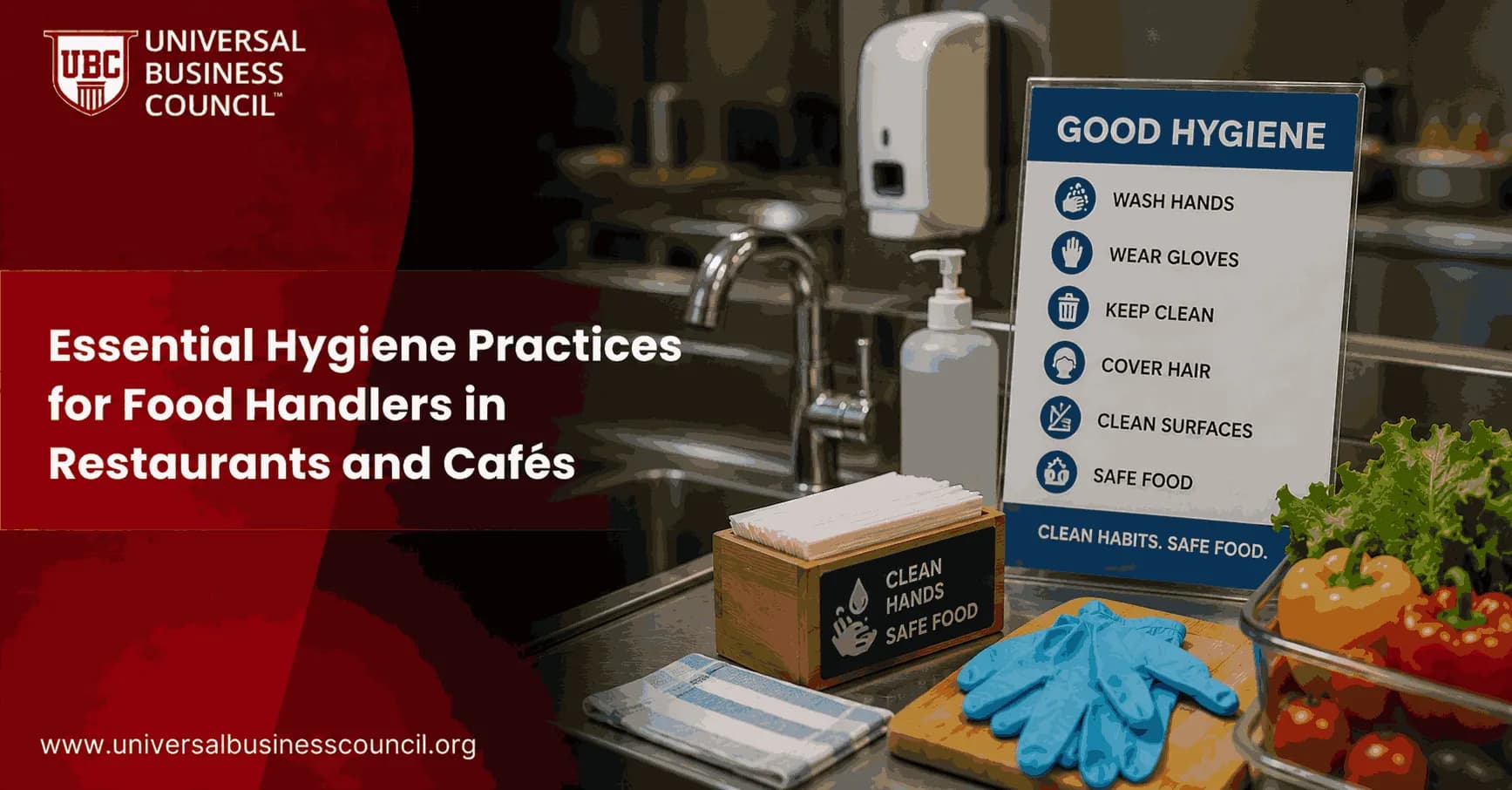
Hygiene practices for food handlers are not a side task in restaurants and cafés. They are one of the main controls that keep customers safe, protect staff, and help a food business pass inspections without panic. The work is simple on paper: wash hands, keep clothing clean, separate raw and ready-to-eat food, sanitize surfaces, and control temperature. The hard part is doing those things every shift, even during the lunch rush.
The stakes are real. The World Health Organization estimates that unsafe food causes about 600 million illnesses and 420,000 deaths worldwide each year. In the United States, the CDC estimates that foodborne diseases cause 48 million illnesses, 128,000 hospitalizations, and 3,000 deaths annually. Many investigations point to the same practical failures: sick food workers, poor handwashing, contaminated equipment, and unsafe holding temperatures.

For professionals entering commercial kitchens or advancing into supervisory roles, a Certified Food Handler Professional™ credential provides structured training in the everyday practices that reduce contamination risks and support compliance with food safety standards.
Why Food Handler Hygiene Matters in Restaurants and Cafés
Food handlers can transfer bacteria, viruses, allergens, and physical contaminants. The routes are ordinary: hands, hair, clothing, utensils, phones, aprons, food-contact surfaces. Norovirus is a classic example. It spreads when an infected worker handles ready-to-eat food, such as salads, sandwiches, pastries, garnishes, or sliced fruit.
Public health agencies often sum up safe food handling with four words: clean, separate, cook, chill. For restaurant teams, personal hygiene supports the first two every minute of service. Picture a barista who handles cash, checks a phone, adjusts a cap, then plates a croissant without washing hands or reaching for tongs. The control has failed. Small lapse. Big risk.
Hand Hygiene: The Non-Negotiable Standard
Handwashing is the most important hygiene practice for food handlers. Gloves help, but they do not replace clean hands. In real kitchens, glove misuse is common. A worker puts on gloves, opens a fridge handle, answers a delivery question, touches a bin lid, then handles lettuce. The glove now behaves like a dirty hand.
How to Wash Hands Correctly
Wet hands with warm running water.
Apply soap.
Scrub palms, backs of hands, between fingers, thumbs, wrists, and under nails.
Scrub for at least 20 seconds.
Rinse well.
Dry with a single-use paper towel or approved hand dryer.
Use the towel to turn off the tap where needed.
The FDA and many local health departments call out the key moments: before food preparation, after using the restroom, after handling raw meat or seafood, after touching the face or hair, after coughing or sneezing, after cleaning, after taking out trash, and after handling money.
When Gloves Are Required
Many food codes restrict bare-hand contact with ready-to-eat foods. Use tongs, deli tissue, spatulas, or gloves for foods that will not receive a kill step before service. Think sandwich fillings, washed salad leaves, baked goods, cut fruit, sushi, and garnishes.
Wash hands before putting on gloves. Change gloves when switching tasks, after touching non-food surfaces, after handling raw products, and whenever gloves are torn or contaminated. To be blunt, if you would need to wash your hands after doing something, you probably need to change gloves too.
Hand hygiene also plays an important role in preventing allergen cross-contact. Many food businesses encourage supervisors and kitchen staff to strengthen this knowledge through a Certified Allergen Management Professional™ program, especially when preparing meals for customers with food allergies.
Personal Cleanliness: Nails, Skin, Hair, and Wounds
Clean hands are easier to maintain when nails are short and natural. Food handlers should keep fingernails trimmed, clean, and filed. Avoid artificial nails and nail polish in food preparation roles unless local rules allow them under gloves. Long nails trap soil and microorganisms. They also tear gloves.
Cuts, burns, rashes, and sores on hands or forearms need a clean, waterproof bandage. If the wound is on the hand, wear a glove over the dressing. Bright blue dressings are common in food service because they are easier to spot if they fall off.
Hair must be restrained with a clean cap, hairnet, or other approved covering. Beard restraints may be needed for staff with facial hair. This is not only about hair falling into food. It also stops staff from touching or adjusting hair during service.
Uniforms, Aprons, Jewelry, and Personal Items
Food handler hygiene includes what you wear. Start each shift in clean clothing. Change aprons when they become soiled. Do not wear aprons into restrooms, outside smoking areas, delivery bays, or waste areas. I once watched a spotless prep station fail an audit because an apron used for bin runs came back to the sandwich line. The food was fine until the apron returned.
Wear clean uniforms and replace visibly dirty coats or aprons.
Remove jewelry such as bracelets, watches, and rings that interfere with handwashing or can fall into food. A plain wedding band may be allowed in some jurisdictions, but check local rules.
Store phones, keys, bags, and street clothes away from food preparation and storage areas.
Avoid touching clothing while preparing food. If you do, wash hands before returning to the task.
Phones deserve special mention. They sit on counters, in pockets, on delivery shelves, and sometimes in restrooms. If your café uses a phone or tablet for orders, assign a cleaning routine and treat it as a high-contact surface.
Illness and Respiratory Hygiene
Do not handle food when you are ill with vomiting, diarrhea, fever, jaundice, or symptoms linked to a foodborne infection. Managers should keep a written illness reporting policy, train staff on it, and make it safe for workers to report symptoms. If employees fear punishment for calling in sick, they will work while infectious. That is a management failure, not just an employee one.
Cover coughs and sneezes with a tissue or your elbow, move away from food, discard the tissue, and wash hands. Do not cough over food, utensils, open containers, or clean plates. Ban smoking, vaping, chewing gum, eating in prep areas, and tasting food with fingers. Use a clean tasting spoon once, then send it for washing.
Cross-Contamination Control in Daily Service
Cross-contamination control is where good habits meet layout. Raw chicken stored over washed lettuce is not a training gap. It is a system failure waiting to happen.
Separate Raw and Ready-to-Eat Foods
Store raw meat, poultry, seafood, and eggs below ready-to-eat foods in refrigeration.
Use separate boards, knives, and containers for raw and ready-to-eat products.
Prepare ready-to-eat foods before raw animal products where possible.
Never place cooked food on a tray or plate that held raw food unless it has been washed, rinsed, and sanitized.
Do not touch the food-contact surfaces of plates, cups, cutlery, or glassware.
Color-coded boards help, but only if staff follow the system. A red board used for tomatoes is just a red board. Train the behavior, not only the color chart.
Cleaning and Sanitizing Food-Contact Surfaces
Cleaning removes food soil. Sanitizing reduces microorganisms to safer levels. You need both. A greasy cutting board sprayed with sanitizer has not been sanitized properly, because the soil blocks contact with the surface.
Scrape or remove food debris.
Wash with detergent and hot water.
Rinse with clean water.
Apply approved sanitizer at the correct concentration.
Allow the required contact time.
Air dry where required.
Use sanitizer test strips. Do not guess. A common problem in busy cafés is a chlorine bucket that started the shift correctly but later tests too low, because it was diluted, contaminated with food residue, or left too long. Assign someone to check it at set times, especially before peak service.
Time-Temperature Control for Safer Food
Good hygiene slows contamination. Temperature control stops many pathogens from multiplying. Food handlers must know the critical limits used in their local code and company procedures.
Cold holding: keep time-temperature control for safety foods at 41°F (5°C) or below.
Hot holding: keep hot foods at 135°F (57°C) or above.
Reheating: reheat foods for hot holding to 165°F (74°C) within the required time, often within 2 hours under FDA Food Code standards.
Cooling and refrigeration: refrigerate perishable foods promptly. FDA consumer guidance uses 2 hours as a general rule, or 1 hour when ambient temperature is above 90°F.
Use a calibrated probe thermometer. Wiping the probe with a towel is not enough. Clean and sanitize it between foods, especially between raw and ready-to-eat items.
Build Hygiene into Training, Checklists, and HACCP
Food handler hygiene works best as part of a system, not a reminder shouted by the manager. HACCP and ISO 22000 style food safety systems depend on predictable employee behavior. That means written procedures, onboarding, refresher training, shift checks, and corrective actions.
Restaurants and cafés should train staff on:
Handwashing moments and technique.
Glove use and ready-to-eat food handling.
Illness reporting and exclusion rules.
Uniform, hair restraint, and jewelry policies.
Cleaning, sanitizing, and chemical concentration checks.
Raw and ready-to-eat separation.
Temperature monitoring and thermometer sanitation.
For internal learning pathways, connect this topic to relevant Universal Business Council food safety, hospitality management, operations management, and quality management courses where available. Supervisors should also study audit readiness, corrective action tracking, and team training methods, because hygiene failures are often supervision problems in disguise.
As restaurants increasingly adopt digital temperature monitoring, automated HACCP systems, AI-assisted compliance tools, and smart kitchen technologies, a Deep Tech Certification can help food service professionals understand the technologies that support modern food safety management alongside traditional operational skills.
A Practical Shift Checklist for Food Handlers
Use this at the start of each shift and after breaks:
Hands washed for 20 seconds before entering the station.
Clean uniform, apron, and hair restraint in place.
No watches, bracelets, or loose jewelry.
Nails short and clean, wounds covered correctly.
Personal items stored away from food areas.
Sanitizer mixed, labeled, and tested.
Raw and ready-to-eat foods separated.
Thermometers clean, available, and calibrated as required.
Cold units at 41°F (5°C) or below.
Staff illness symptoms reported before food handling begins.
Next Step for Food Handler Professionals
If you work in a restaurant or café, pick one weak point this week and fix it properly. Start with handwashing compliance, sanitizer testing, or illness reporting. If you supervise others, turn the checklist into a documented routine and review it during pre-shift briefings. Then build your knowledge through structured food safety and operations training with Universal Business Council course pathways that match your role.
As food service operations continue to integrate digital monitoring, inventory automation, and compliance software, complementing food safety knowledge with a Tech Certification can help professionals prepare for leadership roles that combine operational excellence with modern technology.
FAQs
What Are the Essential Hygiene Practices for Food Handlers in Restaurants and Cafés?
Essential hygiene practices include proper handwashing, maintaining personal cleanliness, wearing clean uniforms, preventing cross-contamination, cleaning and sanitizing equipment, handling food safely, and following workplace food safety procedures.
Why Is Personal Hygiene Important for Food Handlers?
Good personal hygiene helps reduce the risk of food contamination, prevents the spread of foodborne illnesses, protects customers, and supports compliance with food safety regulations.
When Should Food Handlers Wash Their Hands?
Food handlers should wash their hands:
Before preparing food
Before wearing gloves
After using the restroom
After handling raw meat, poultry, or seafood
After touching garbage
After cleaning
After coughing, sneezing, or touching their face
After handling money, if required by workplace procedures
What Is the Correct Handwashing Method?
Proper handwashing generally involves:
Wetting hands with clean running water.
Applying soap.
Scrubbing all surfaces of the hands for at least 20 seconds.
Rinsing thoroughly.
Drying with a clean towel or an approved hand dryer.
Always follow local food safety guidelines where applicable.
Why Should Food Handlers Wear Clean Uniforms?
Clean uniforms help reduce contamination risks, maintain a professional appearance, and support hygienic food preparation.
Are Hair Restraints Required in Restaurants and Cafés?
Many food service operations require hair restraints such as hairnets, hats, or beard covers where appropriate to help prevent hair from contaminating food.
Should Food Handlers Wear Disposable Gloves?
Disposable gloves may be required for certain tasks depending on workplace policies or local regulations. Gloves should be changed regularly and should never replace proper handwashing.
Why Is Preventing Cross-Contamination Important?
Cross-contamination can transfer harmful microorganisms or allergens from one food or surface to another. Proper separation of foods, clean utensils, and good hygiene practices help minimize this risk.
How Should Food Preparation Surfaces Be Cleaned?
Food preparation surfaces should be cleaned to remove visible residue and then sanitized using approved methods or products according to workplace procedures.
Why Is Temperature Control Part of Hygiene?
Maintaining appropriate food temperatures helps reduce the growth of harmful microorganisms. Food handlers should follow local regulations and workplace procedures for storage, cooking, cooling, and holding temperatures.
How Can Food Handlers Manage Food Allergens Safely?
Food handlers should:
Understand common allergens.
Prevent allergen cross-contact.
Use clean equipment.
Follow workplace allergen procedures.
Communicate accurately about ingredients.
What Personal Habits Should Food Handlers Avoid?
Food handlers should avoid:
Touching their face or hair unnecessarily
Eating or drinking in food preparation areas
Smoking or vaping in prohibited areas
Wearing dirty clothing
Working while ill when workplace policy or regulations prohibit it
How Can Restaurants Maintain High Hygiene Standards?
Restaurants can maintain hygiene by providing regular staff training, implementing cleaning schedules, monitoring sanitation procedures, maintaining equipment, and conducting routine inspections.
What Role Does Cleaning Equipment Play in Food Safety?
Clean equipment helps prevent contamination, supports efficient food preparation, extends equipment life, and contributes to a hygienic kitchen environment.
Why Is Illness Reporting Important?
Employees experiencing symptoms that may affect food safety should follow workplace illness reporting procedures and applicable regulations to help reduce the risk of contaminating food.
How Often Should Hygiene Training Be Provided?
Training frequency depends on workplace policies and regulatory requirements. Many employers provide onboarding training along with regular refresher sessions to reinforce best practices.
What Common Hygiene Mistakes Should Food Handlers Avoid?
Avoid:
Inadequate handwashing
Wearing dirty uniforms
Improper glove use
Ignoring cleaning schedules
Cross-contamination
Poor food storage practices
Failing to report illness
How Can Technology Support Hygiene Management?
Businesses increasingly use digital cleaning checklists, temperature monitoring systems, automated reminders, electronic compliance records, and IoT-enabled equipment to support food safety programs.
What Is the Most Important Hygiene Habit for Food Handlers?
Consistent and thorough handwashing remains one of the most effective hygiene practices for reducing the spread of harmful microorganisms and protecting food safety. Sophisticated kitchen equipment is valuable, but clean hands continue to outperform impressive technology in preventing many everyday contamination risks.
How Can Restaurants and Cafés Maintain Excellent Hygiene Standards?
Restaurants and cafés can maintain high hygiene standards by combining strong personal hygiene practices, effective cleaning and sanitizing procedures, proper food storage, temperature monitoring, allergen management, regular staff training, and compliance with local food safety regulations. A culture of consistent hygiene protects customers, supports regulatory compliance, strengthens business reputation, and contributes to safer, more efficient food service operations.
Related Articles
View All
Food
Personal Hygiene Rules for Food Handlers: A Professional Food Safety Guide
A practical guide to personal hygiene rules for food handlers, covering handwashing, clothing, gloves, illness reporting, wounds, and daily food safety habits.

Food
Food Handler Professional Checklist: Daily Safety Practices for Food Service Teams
A practical food handler professional checklist for daily hygiene, temperature control, storage, cleaning, pest checks, and documentation.

Food
Food Storage and Temperature Control Best Practices for Food Handler Professionals
Food storage and temperature control guidance for food handlers, including danger zones, cold holding, hot holding, cooling, labeling, FIFO, and HACCP logs.
Trending Articles
The Role of Blockchain in Ethical AI Development
How blockchain technology is being used to promote transparency and accountability in artificial intelligence systems.
AWS Career Roadmap
A step-by-step guide to building a successful career in Amazon Web Services cloud computing.
Top 5 DeFi Platforms
Explore the leading decentralized finance platforms and what makes each one unique in the evolving DeFi landscape.