

Personal Hygiene Rules for Food Handlers: A Professional Food Safety Guide
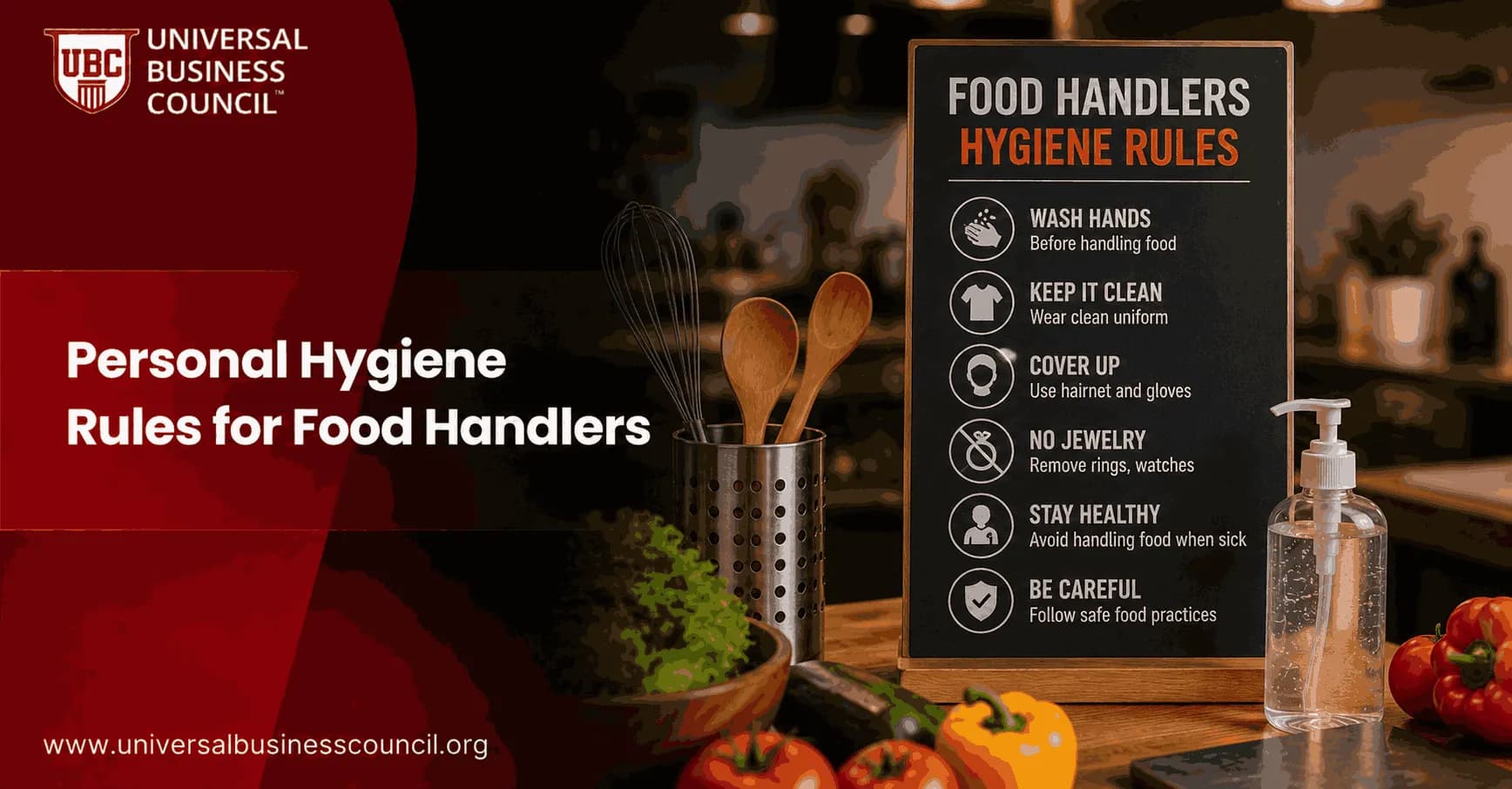
Personal hygiene rules for food handlers are not a formality. They are one of the main barriers between safe food and a foodborne illness complaint, a failed inspection, or an outbreak investigation. The U.S. Centers for Disease Control and Prevention estimates that 48 million people in the United States get sick from foodborne diseases each year, with about 128,000 hospitalizations and 3,000 deaths. Hand hygiene, illness reporting, clean clothing, and disciplined behavior in prep areas all affect those numbers.
If you work in a restaurant, catering unit, food truck, processing plant, retail deli, bakery, or institutional kitchen, these rules belong in your daily routine. Not on a poster nobody reads. In your hands, your clothing, your shift checks, and every task change.

For professionals entering the food service industry, the Certified Food Handler Professional™ provides structured training in these core hygiene practices and helps reinforce the standards expected in commercial kitchens, catering operations, and food production facilities.
Why Personal Hygiene Matters in Food Handling
Food handlers can transfer pathogens from skin, hair, clothing, jewelry, phones, wounds, and personal items to food or food-contact surfaces. The FDA's core consumer food safety message is simple: clean, separate, cook, chill. Clean comes first for a reason. If contaminated hands touch ready-to-eat lettuce after handling raw chicken, no amount of temperature control will fix that salad.
To be blunt, most hygiene failures are small. A worker adjusts a cap, wipes sweat with a sleeve, handles cash, then plates a pastry. No drama. No visible dirt. But that is how contamination often starts.
In routine kitchen audits, I have seen the same pattern again and again. Staff know the 20-second handwashing rule, but they miss the moments between tasks. Moving from waste bins to garnish prep. Touching an apron after loading a dishwasher. Checking a phone during a slow period. Those are the quiet gaps managers should watch.
Personal hygiene also extends to allergen safety. Alongside general food handling practices, the Certified Allergen Management Professional™ helps food service professionals understand how personal habits, shared equipment, and poor workflow can contribute to allergen cross-contact and customer safety risks.
Hand Hygiene: The Rule That Carries the Most Weight
How to Wash Hands Correctly
Proper handwashing is a precise action, not a quick rinse. Food handlers should:
Use warm running water that is comfortable to the touch.
Apply soap.
Scrub palms, backs of hands, wrists, thumbs, between fingers, and around nails.
Scrub for at least 20 seconds.
Rinse thoroughly.
Dry with a single-use paper towel or an approved hand dryer.
Do not dry hands on aprons, wiping cloths, or uniforms. That defeats the wash.
When You Must Wash Hands
Wash your hands before entering a food preparation area and before touching food, utensils, or food-contact surfaces. Wash again after any contamination risk, including:
Using the restroom
Eating, drinking, smoking, or chewing gum
Coughing, sneezing, or blowing your nose
Touching hair, face, ears, glasses, mouth, or skin
Handling raw meat, poultry, seafood, or eggs
Handling garbage, dirty equipment, cleaning chemicals, or soiled towels
Switching from cleaning to food preparation
Handling money, phones, delivery tablets, or personal items
The best rule is simple. If you wonder whether your hands are clean, wash them.
Nails, Jewelry, and Skin: Small Details, Big Risk
Fingernails trap soil and microorganisms. Keep them short, clean, and filed. Long nails make proper scrubbing harder. Artificial nails and nail polish are poor choices in food handling because they can hide dirt, chip, or break.
Jewelry causes the same problem. Rings, bracelets, and watches create hard-to-clean areas and can tear gloves. In most food preparation roles, remove hand and wrist jewelry before work. A plain wedding band may be allowed under some local codes or company policies, but from a hygiene standpoint, less jewelry is better.
Skin care matters too. Hangnails, cracked skin, and open sores can become contamination sources. Treat them early. If you have a cut on your hand, clean it, cover it with a waterproof bandage, then wear a glove or finger cot over it.
Clean Clothing, Aprons, and Footwear
Food handlers should arrive clean and wear clean outer clothing every shift. The National Restaurant Association treats showering or bathing before work as a basic expectation for food handlers, not a courtesy.
Work clothing should be used for work only. That includes uniforms, aprons, caps, and food production footwear. Do not wear aprons outdoors, in washrooms, while taking out garbage, or while sitting in public areas on break. If an apron becomes visibly soiled, change it.
Good footwear is part of hygiene and safety too. Closed, stable shoes reduce injury risk and help limit dirt tracked into production areas. Open-toed shoes, high heels, and casual canvas shoes do not belong in food processing or kitchen prep zones.
Hair and Beard Restraints
Hair is both a physical contaminant and a possible carrier of microorganisms. Keep it controlled before you begin food preparation.
Pull back long hair before putting on a uniform.
Wear a hair net, cap, or approved hair covering in prep areas.
Make sure bangs and ponytails are contained, not hanging outside the restraint.
Use beard covers where facial hair could contaminate food.
A hair restraint worn like a fashion accessory does not count. It has to actually cover the hair.
Glove Use: Helpful, but Often Misunderstood
Gloves are not magic. They do not replace handwashing, and dirty gloves can spread contamination as easily as dirty hands.
Wash your hands before putting on gloves and after removing them. Change gloves when switching tasks, after touching raw animal foods, after handling waste, after touching your face or clothing, and whenever gloves tear or become contaminated. Never wash disposable gloves. Never reuse them.
Gloves matter most when you handle ready-to-eat foods or when a hand has a properly covered wound. Some EU-oriented training materials recommend changing food handling gloves at intervals not exceeding one hour, even when no visible contamination occurs. In high-volume prep, many operations need changes more often than that.
Illness Reporting and Work Exclusion
This is the rule people dislike, especially in short-staffed operations. It is still non-negotiable. If you have vomiting or diarrhea, do not prepare or serve food. Many local public health authorities require food handlers to stay away from food work until at least 24 hours after symptoms stop.
Respiratory symptoms also need control. If you have flu-like symptoms, uncontrolled coughing, or frequent sneezing, tell your supervisor before working near food. If you cough or sneeze during a shift, move away from food, cover your mouth and nose, dispose of tissues properly, and wash your hands before returning.
Norovirus is a classic reason these policies exist. It spreads easily, survives on surfaces, and takes very few viral particles to make someone sick. Working sick is not dedication. It is a food safety risk.
Wounds, Bandages, and Infections
Any cut, burn, sore, or infected area on exposed skin needs attention before food handling. Follow this sequence:
Clean and disinfect the wound.
Cover it with a secure waterproof bandage.
Use a glove or finger cot over the bandage if it is on the hand or finger.
Report infected wounds, pus, or worsening symptoms to a supervisor.
Blue detectable bandages are common in food production because they are easier to spot if lost. If your facility uses them, do not substitute a household plaster from your bag.
Behavior Rules in Food Preparation Areas
Good hygiene is also about self-control. Do not eat, drink, smoke, vape, or chew gum in food preparation and processing areas. Keep personal drinks, spare clothes, bags, phones, and used tissues away from food zones.
Avoid touching your scalp, nose, mouth, ears, pimples, glasses, or dirty uniform while handling food. If it happens, wash your hands. No debate.
Managers should design workstations so the right behavior is the easy one: stocked hand sinks, visible soap, paper towels, covered bins, clean apron storage, and clear glove supplies. A rule that cannot be followed during a rush will fail during a rush.
How Professionals Can Build Compliance Into Daily Work
Knowing the rules is the starting point. Consistency is the professional skill. Use these controls:
Pre-shift checks: confirm clean uniform, hair restraint, short nails, no illness symptoms, and no hand jewelry.
Handwashing reminders: place signs at sinks and near task-change points.
Glove policies: define when gloves are required and when they must be changed.
Supervisor observation: watch task switches, not just start-of-shift behavior.
Training records: document hygiene training for inspections and internal audits.
If you are building a career in food service management, quality assurance, or operations, connect these hygiene basics to a wider food safety system. Universal Business Council learners can use the course catalog as a learning pathway for related food safety, operations management, quality management, and supervisory skills.
As food businesses increasingly adopt digital temperature monitoring, AI-assisted compliance tools, smart kitchen systems, and electronic hygiene records, a Deep Tech Certification can help professionals understand the technologies supporting modern food safety management and operational efficiency.
Your Next Step as a Food Handler Professional
Start with one shift. Audit yourself honestly: hands, nails, uniform, hair restraint, glove changes, illness reporting, and behavior in prep areas. Then fix the weakest habit first. If you supervise others, run a five-minute hygiene check before service and watch task changes during the busiest 30 minutes. That is where real food safety culture shows up.
Combining food safety expertise with a relevant Tech Certification can also prepare professionals for leadership roles where digital compliance systems, operational technology, and quality management play an increasingly important role in daily food service operations.
FAQs
What Are the Personal Hygiene Rules for Food Handlers?
Personal hygiene rules for food handlers include proper handwashing, wearing clean uniforms, maintaining personal cleanliness, using appropriate hair restraints, covering wounds, avoiding food preparation when ill, and following workplace food safety policies.
Why Is Personal Hygiene Important for Food Handlers?
Good personal hygiene helps prevent food contamination, reduces the risk of foodborne illnesses, protects customers, and supports compliance with food safety regulations.
When Should Food Handlers Wash Their Hands?
Food handlers should wash their hands:
Before preparing food
Before putting on gloves
After using the restroom
After handling raw meat, poultry, or seafood
After touching garbage
After coughing, sneezing, or blowing their nose
After touching their face or hair
After cleaning tasks
What Is the Correct Way to Wash Hands?
Effective handwashing generally involves:
Wet hands with clean running water.
Apply soap.
Scrub all parts of the hands for at least 20 seconds.
Rinse thoroughly.
Dry with a clean towel or an approved hand dryer.
Follow your local food safety authority's guidance where applicable.
Should Food Handlers Wear Clean Uniforms?
Yes. Clean uniforms or work clothing help reduce contamination and contribute to maintaining a hygienic food preparation environment.
Why Are Hair Restraints Necessary?
Hair restraints such as hats, hairnets, or beard covers (when appropriate) help prevent hair from contaminating food and food preparation areas.
Can Food Handlers Wear Jewelry?
Many workplaces limit jewelry because it can harbor bacteria, fall into food, or interfere with proper handwashing. Requirements vary by employer and local regulations.
Should Food Handlers Wear Gloves?
Disposable gloves may be used when required by workplace procedures or local regulations. Gloves should be changed regularly and should never replace proper handwashing.
What Should Food Handlers Do If They Are Sick?
Food handlers should report symptoms such as vomiting, diarrhea, fever, or other illnesses according to workplace policies and local food safety regulations. They may need to avoid handling food until it is safe to return to work.
How Should Cuts and Wounds Be Covered?
Cuts and wounds should be covered with clean, waterproof bandages. In some situations, gloves may also be required to help protect both the employee and the food.
Why Is Nail Hygiene Important?
Fingernails should be kept clean and trimmed to reduce the buildup of dirt and microorganisms. Many employers discourage long or artificial nails in food preparation areas unless permitted under specific workplace policies.
Should Food Handlers Avoid Touching Their Face?
Yes. Touching the face, hair, nose, or mouth can transfer microorganisms to the hands, increasing the risk of contaminating food.
Why Is Good Respiratory Hygiene Important?
Food handlers should cover coughs and sneezes appropriately, wash their hands immediately afterward, and avoid contaminating food preparation areas.
How Can Food Handlers Maintain Good Personal Cleanliness?
Good personal cleanliness includes:
Daily bathing
Wearing clean clothing
Maintaining oral hygiene
Keeping hands and nails clean
Using deodorant where appropriate
Following workplace grooming standards
Why Is Handwashing More Important Than Gloves Alone?
Gloves can become contaminated just like hands. Proper handwashing before wearing gloves and after removing them remains one of the most effective food safety practices.
What Common Personal Hygiene Mistakes Should Food Handlers Avoid?
Avoid:
Skipping handwashing
Wearing dirty uniforms
Working while ill when prohibited
Touching food with contaminated gloves
Failing to cover cuts properly
Ignoring workplace hygiene procedures
How Can Employers Encourage Better Personal Hygiene?
Employers can support good hygiene by providing training, maintaining accessible handwashing facilities, supplying hygiene products, reinforcing food safety policies, and encouraging employees to report illness without fear of retaliation.
How Often Should Food Handlers Receive Hygiene Training?
Training frequency depends on local regulations and workplace policies. Many organizations provide training during onboarding and periodic refresher sessions to reinforce safe food handling practices.
What Is the Most Important Personal Hygiene Habit for Food Handlers?
Proper handwashing is widely regarded as one of the most effective ways to reduce the spread of harmful microorganisms and prevent food contamination. It is simple, inexpensive, and remarkably effective, proving that not every important safety measure requires sophisticated technology.
How Can Food Handlers Maintain Excellent Personal Hygiene Every Day?
Food handlers can maintain high hygiene standards by practicing thorough handwashing, wearing clean work attire, following illness reporting procedures, maintaining good personal grooming, using protective equipment correctly, and complying with workplace food safety policies. Consistent attention to personal hygiene helps protect customers, supports regulatory compliance, and contributes to a safe, professional, and trusted food service environment.
Related Articles
View All
Food
Food Handler Professional Checklist: Daily Safety Practices for Food Service Teams
A practical food handler professional checklist for daily hygiene, temperature control, storage, cleaning, pest checks, and documentation.

Food
Essential Hygiene Practices for Food Handlers in Restaurants and Cafés
Learn essential hygiene practices for food handlers in restaurants and cafés, including handwashing, uniforms, cross-contamination control, and safe temperatures.

Food
Top Food Safety Skills Every Food Handler Professional Must Master
Master the food safety skills every food handler needs, from hygiene and temperature control to allergen management, HACCP basics, and certification.
Trending Articles
The Role of Blockchain in Ethical AI Development
How blockchain technology is being used to promote transparency and accountability in artificial intelligence systems.
AWS Career Roadmap
A step-by-step guide to building a successful career in Amazon Web Services cloud computing.
Top 5 DeFi Platforms
Explore the leading decentralized finance platforms and what makes each one unique in the evolving DeFi landscape.