

Bleeding Control and Wound Care Basics

A cut can be trivial or life-threatening, and the first job of any first aider is to tell which. Knowing how to control serious bleeding, clean and cover minor wounds and spot early signs of infection protects both the injured person and the person helping. This guide explains the basics of bleeding control and wound care, including infection control, shock, when to call emergency services and the compliance steps workplaces are expected to follow. It is general information and not a substitute for an accredited first aid course. Readers who want formal credentials can also explore the certified first aid and CPR professional certification.
What is bleeding control and wound care?
Bleeding control is the set of actions used to stop or slow blood loss from an injury, and wound care is the cleaning, protection and monitoring of an injury so that it heals safely. Together they form some of the most commonly used skills in first aid.

The right response depends on how much the person is bleeding, where the wound is and what caused it. Severe bleeding is an emergency, while small cuts and grazes can usually be managed with simple care.
Protect yourself first
Blood can carry infection, so a first aider takes basic precautions before touching a wound. Put on disposable gloves if they are available, cover any cuts on your own hands, avoid touching your face and wash your hands thoroughly afterward. Dispose of used dressings and gloves according to workplace or local rules. If gloves are not available in an emergency, a barrier such as a clean plastic bag can help, but the person's life comes first.
How to control severe bleeding
Severe bleeding can quickly become life-threatening, so speed and calm matter.
Call for help and apply pressure
Call emergency services, or ask someone nearby to do it. Apply firm, direct pressure to the wound with a clean cloth, dressing or gloved hand, and keep the pressure steady. Do not stop to check whether it is working too often, since releasing pressure can restart the bleeding.
Add to the dressing, do not replace it
If blood soaks through, place more material on top and keep pressing. Removing the first dressing can disturb clots that are starting to form. Once bleeding slows, secure the dressing firmly with a bandage, making sure it is not so tight that it cuts off circulation.
Advanced options
Some training courses teach additional techniques, such as the use of a tourniquet for life-threatening limb bleeding that cannot be controlled by pressure. These should only be used as taught in an accredited course, and emergency services can guide a caller through what to do.
Recognizing and managing shock
Heavy blood loss can lead to shock, a dangerous state in which the body's organs do not get enough blood. Signs include pale, cold and clammy skin, fast breathing, a rapid weak pulse, dizziness, confusion and drowsiness. Lay the person down if possible, keep them warm and calm, avoid giving food or drink and keep monitoring them until help arrives. Shock is an emergency, so call emergency services straight away.
Caring for minor wounds
Small cuts and grazes are common and usually heal well with basic care. The general steps are:
Wash your hands and put on gloves if available
Control any minor bleeding with gentle pressure
Rinse the wound with clean running water to remove dirt
Clean the skin around the wound, wiping away from it
Cover with a sterile dressing or adhesive plaster
Change the dressing if it gets wet or dirty
Avoid blowing on a wound, touching it with unwashed hands or using cotton wool that can leave fibers behind.
Objects in a wound
If an object is embedded in a wound, do not pull it out. Removal can cause more bleeding and damage. Instead, build up padding around the object to hold it steady, apply pressure around it and not on it, and get emergency medical help. Small, loose particles on the surface, such as grit in a graze, can usually be rinsed away with clean water.
Signs of infection and when to seek medical advice
Most minor wounds heal without problems, but infection can develop. Watch for increasing redness, warmth, swelling, pain, pus, a bad smell or fever. Seek medical advice for wounds that are deep, gaping, dirty, caused by an animal or human bite, or located on the face or joints, and for wounds that are not healing. A doctor can also advise on whether vaccination against tetanus is up to date, which matters for dirty or puncture wounds.
Workplace first aid and compliance
Many workplaces involve cuts and other injuries, so employers are generally expected to provide trained first aiders, suitable supplies and clear procedures. Good practice includes keeping first aid kits stocked, training staff in bleeding control, recording incidents accurately and protecting privacy. Organizations that appoint first aiders verify their training credentials, and services such as HireValid support that verification. Staff should know who the first aiders are and where equipment is kept.
Records and technology
Incident reports, kit checks and training records are increasingly kept digitally. Accurate, secure records help with safety and compliance, and staff who understand digital tools manage them better. Some people build these skills through tech certifications. As secure data systems and artificial intelligence reach workplace safety, deep tech certifications offer one way to understand how those technologies work.
Clear promotion of first aid training
Training providers should state exactly what their courses cover, whether bleeding control is included, how long a certificate lasts and which workplace requirements it satisfies. Unclear claims can leave people with the wrong qualification. A digital marketing course can help providers describe their courses accurately online and within legal and ethical limits.
Conclusion
Bleeding control and wound care basics start with protecting yourself, then acting quickly. For severe bleeding, call emergency services, apply firm direct pressure, add dressings rather than removing them and watch for shock. For minor wounds, wash hands, rinse with clean water, cover with a sterile dressing and monitor for infection. Never remove embedded objects, and seek medical advice for deep, dirty, bite or non-healing wounds. Workplaces support safety with trained first aiders, stocked kits and accurate records. An accredited first aid course gives the practice that makes confident action possible.
Frequently asked questions
These are the questions people ask most about bleeding and wounds.
1. What is the first step in controlling severe bleeding?
Call for emergency help and apply firm, direct pressure to the wound with a clean cloth or dressing.
2. Should I remove a soaked dressing?
No. Add more material on top and keep pressing, since removal can disturb forming clots.
3. How tight should a bandage be?
Firm enough to hold the dressing and maintain pressure, but not so tight that it cuts off circulation.
4. What is shock?
A dangerous condition in which the body's organs do not get enough blood, often after heavy bleeding.
5. What are signs of shock?
Pale, cold, clammy skin, fast breathing, a rapid weak pulse, dizziness and confusion.
6. How do I help someone in shock?
Call emergency services, lay them down, keep them warm and calm, and monitor them.
7. When is a tourniquet used?
Only for life-threatening limb bleeding that cannot be controlled by pressure, and only as taught in an accredited course.
8. How should I clean a minor wound?
Rinse with clean running water, clean around the wound and cover it with a sterile dressing.
9. Should I use antiseptic on every wound?
Follow your first aid training and local guidance, as running water is usually the main step for cleaning.
10. What if there is an object stuck in the wound?
Do not remove it. Pad around it, apply pressure around it and get emergency medical help.
11. How do I protect myself from infection?
Use gloves if available, cover your own cuts, avoid touching your face and wash your hands afterward.
12. What are signs of a wound infection?
Increasing redness, warmth, swelling, pain, pus, a bad smell or fever.
13. When should I see a doctor about a wound?
For deep, gaping, dirty or bite wounds, wounds on the face or joints, and wounds that are not healing.
14. Does tetanus matter?
It can, especially for dirty or puncture wounds, so ask a doctor whether vaccination is up to date.
15. Should I elevate a bleeding limb?
It can help in some cases if there is no suspected fracture, but pressure remains the priority.
16. How often should a dressing be changed?
When it gets wet or dirty, and as advised for the type of wound.
17. What belongs in a first aid kit for wounds?
Sterile dressings, bandages, plasters, gloves, tape and scissors, checked regularly.
18. Should workplace injuries be recorded?
Yes. Accurate, private records support safety and compliance.
19. How do employers verify first aiders?
They check training certificates and records, often with credential screening providers.
20. How can I learn bleeding control properly?
Take an accredited first aid course with hands-on practice and renew your certificate on time.
Related Articles
View All
Health
Patient Hygiene and Personal Care Basics
Explore the fundamentals of patient hygiene and personal care in healthcare settings. Learn how to assist patients with bathing, grooming, oral hygiene, dressing, and other daily activities while maintaining their comfort, safety, and dignity.
Health
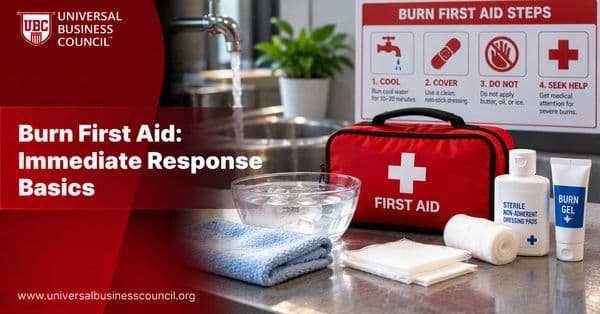
Burn First Aid: Immediate Response Basics
Learn how to provide immediate first aid for burns, including thermal, chemical, and electrical burns. Understand the essential steps for cooling the affected area, protecting the injury, avoiding common mistakes, and recognizing when emergency medical attention is needed.
Health
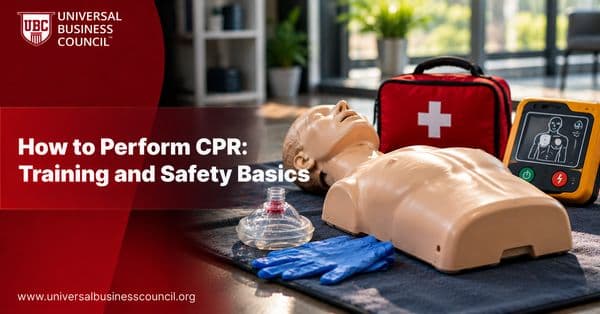
How to Perform CPR: Training and Safety Basics
Learn how to perform CPR, understand essential training requirements, and follow basic safety precautions during an emergency. Explore the steps involved in cardiopulmonary resuscitation, proper compression techniques, and the importance of getting certified to respond confidently when someone experiences cardiac arrest.
Trending Articles
The Role of Blockchain in Ethical AI Development
How blockchain technology is being used to promote transparency and accountability in artificial intelligence systems.
AWS Career Roadmap
A step-by-step guide to building a successful career in Amazon Web Services cloud computing.
Top 5 DeFi Platforms
Explore the leading decentralized finance platforms and what makes each one unique in the evolving DeFi landscape.