

Patient Hygiene and Personal Care Basics
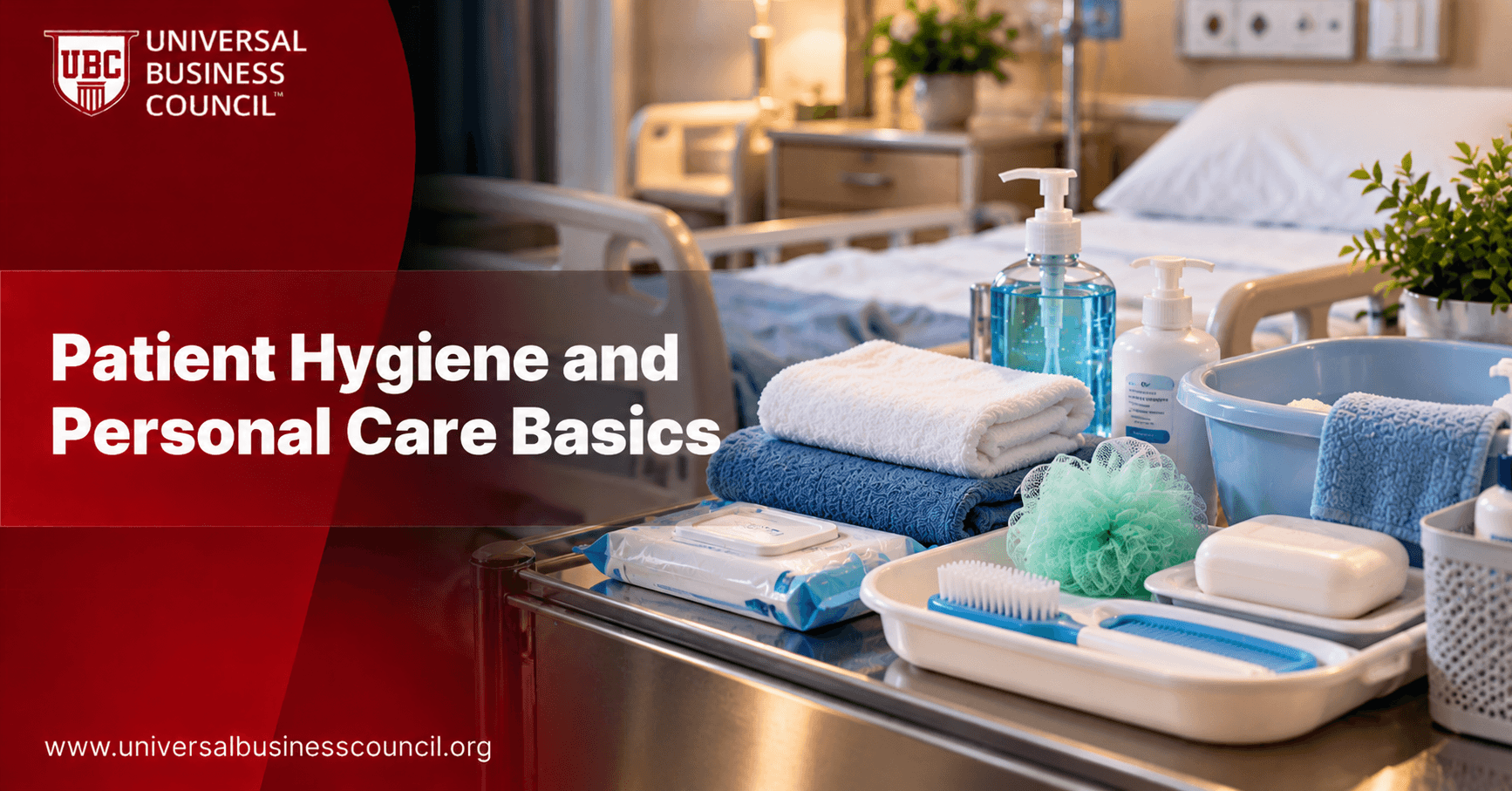
If you are new to care work, patient hygiene and personal care basics will fill a large share of your day. The tasks look simple from the outside: help someone wash, dress, brush their teeth and use the toilet. In practice, each one comes with rules about infection control, skin protection, privacy and dignity. Many people begin by training as a certified nursing assistant, and this guide covers what that training expects, why the rules exist and how to follow them without making a patient feel rushed or exposed.
What is patient hygiene and personal care?
Personal care means helping a patient with the activities of daily living: bathing, grooming, dressing, toileting, eating and moving around. Patient hygiene is the set of cleanliness practices that surround those tasks, from washing hands to keeping linens fresh. Together they protect a patient's health and comfort.

Nursing assistants carry out most of this work, following the care plan set by a licensed nurse. Facility policy and state rules decide the exact procedures, so the steps in this guide describe general principles rather than a replacement for local training.
Why hygiene and personal care matter
Good personal care is more than politeness. It affects recovery, safety and how a patient feels about being in care.
Preventing infection
Care settings bring people with weakened health into close contact. Clean hands, clean equipment and clean surroundings reduce the chance that germs move from one person to another. Most infection control steps are small, and skipping them is where problems start.
Protecting dignity
Many patients find personal care uncomfortable, especially when someone else has to help with private tasks. A calm, respectful approach keeps the experience bearable and builds trust between patient and caregiver.
Consent and choice
Explain each step before it happens and let the patient decide what they can. Offering simple choices, such as the time of a bath or the clothes to wear, keeps a sense of control in the patient's hands.
Hand hygiene and protective equipment
Hand hygiene is the single most repeated task in patient care, and the one most often rushed. Facilities teach a standard method because it works when it is done properly and in the right moments. Nursing assistants should wash or sanitize their hands:
Before and after contact with each patient
After removing gloves
After touching soiled linens, equipment or surfaces
Whenever hands look dirty
Gloves and other protective equipment add a layer of protection but never replace handwashing. They are put on for the task, removed correctly and discarded according to facility policy.
Bathing and skin care
Bathing keeps skin clean and gives the nursing assistant a chance to look closely at the patient's body. Before starting, gather supplies, explain what is going to happen, close doors or curtains and check that the water is comfortable. Expose only the part of the body being washed, and keep the rest covered. Follow the care plan on whether the patient receives a full bath, a partial wash or help in the shower.
What to report to the nurse
Skin changes can signal a problem early, and nursing assistants are often the first to see them. Report any of the following without delay:
Redness that does not fade
Broken or blistered skin
Swelling or warmth in an area
New bruising or rashes
Complaints of pain during care
Oral, hair and nail care
Mouth care keeps teeth, gums and dentures clean and helps patients feel fresh and eat more comfortably. Dentures need careful handling and proper storage, since they are easily dropped or lost. Hair and nail care follow the patient's preferences and the care plan, and nails should never be trimmed where policy says a nurse must do it. Small details like a brushed head of hair often matter a great deal to the person receiving care.
Dressing, toileting and continence care
Help with dressing should encourage patients to do what they can for themselves. Toileting and continence care call for speed, kindness and privacy. Clean soiled skin gently and promptly, wipe from front to back, and replace wet or soiled clothing and linens quickly to protect skin from irritation. Handle soiled items with gloves and place them in the proper containers. Embarrassment is common, and a matter-of-fact tone helps patients relax.
Documentation and reporting
Every personal care task ends with a record. The note should show what was done, when it happened, how the patient responded and anything unusual that was noticed. Most facilities now use electronic records, and workers who are comfortable with digital systems chart more accurately. Some pick up tech certifications to build that confidence, particularly if they are thinking about health informatics later.
Compliance and credential expectations
Personal care sits inside a framework of rules. Nursing assistants must follow the care plan, stay within their scope of practice, protect patient privacy and report concerns through the proper channel. Employers also verify that staff hold valid certification and a clean work history before hiring, and screening providers such as HireValid support that checking process. Keeping certificates and records up to date makes onboarding smoother and shows employers that a candidate takes compliance seriously.
Building skills beyond the basics
Hygiene training does not end after the first course. Facilities provide in-service sessions, and many nursing assistants keep learning as they move toward nursing degrees or specialized roles. Care settings are also starting to use smart monitoring tools and secure data systems, and deep tech certifications give workers a way to understand those technologies as they appear.
Why clear care standards help facilities too
Facilities that explain their care standards openly tend to earn more trust from families and from job seekers. Accurate messaging about hygiene practices, training and staffing should reflect what actually happens in the building. A digital marketing course can help care organizations communicate their standards clearly online without overstating them, which keeps public claims in line with compliance expectations.
Conclusion
Patient hygiene and personal care basics cover far more than washing and dressing. They include hand hygiene, protective equipment, bathing and skin checks, oral, hair and nail care, toileting and continence care, accurate documentation and respect for privacy and consent. Each step protects the patient from infection, supports comfort and preserves dignity, and each depends on following the care plan and local policy. Nursing assistants who report skin changes early, keep clear records and stay within scope help the whole care team work safely. With valid credentials and continued learning, they can build a solid foundation for any role in care.
Frequently asked questions
These are common questions about hygiene and personal care for nursing assistants and new caregivers.
1. What are personal care basics for nursing assistants?
They include bathing, grooming, oral care, dressing, toileting and helping patients move, all done according to the care plan.
2. What are activities of daily living?
Activities of daily living are the routine tasks of self-care, such as bathing, dressing, eating, toileting and moving around.
3. Why is hand hygiene so important?
Clean hands stop germs from spreading between patients, staff and surfaces, which makes hand hygiene a core infection control step.
4. When should a nursing assistant wash their hands?
Before and after patient contact, after removing gloves, after touching soiled items and whenever hands look dirty.
5. How often should patients be bathed?
It depends on the care plan, the patient's needs and facility policy, so the nurse's instructions come first.
6. How is privacy protected during bathing?
Close doors or curtains, expose only the area being washed and keep the rest of the body covered.
7. What skin changes should be reported?
Persistent redness, broken or blistered skin, swelling, new bruises, rashes and pain during care should go to the nurse.
8. Why is oral care important?
It keeps the mouth clean, supports comfort and helps patients eat more easily.
9. How should dentures be handled?
Handle them carefully, clean them as directed and store them in the proper container to avoid damage or loss.
10. What is continence care?
It is help with toileting and with cleaning and changing patients who cannot control bladder or bowel function.
11. Should patients help with their own care?
Yes, when they are able and the care plan allows it. Doing part of the task helps patients keep independence.
12. What if a patient refuses a bath?
Respect the refusal, avoid forcing the task, offer to try again later and tell the nurse.
13. Why is dignity part of personal care?
Personal care involves private tasks, and respectful handling protects trust and the patient's sense of self.
14. Do gloves replace handwashing?
No. Gloves add protection, but hands still need to be cleaned before putting them on and after taking them off.
15. How should soiled linens be handled?
Wear gloves, avoid shaking the linens and place them in the designated container according to facility policy.
16. What supplies should be gathered before care?
Gather everything needed for the task beforehand so that the patient is not left uncovered while supplies are fetched.
17. Can a nursing assistant provide care without a care plan?
No. Care follows the plan and instructions from the supervising nurse, within the assistant's scope of practice.
18. How is personal care documented?
Record what was done, when, how the patient responded and any changes noticed, using the facility's system.
19. Why should water temperature be checked?
Checking helps prevent discomfort and burns, especially for patients who cannot easily tell the water is too hot.
20. What training helps with hygiene skills?
A state-approved nursing assistant program, employer orientation and regular in-service training all build these skills.
Related Articles
View All
Health
Bleeding Control and Wound Care Basics
Learn the basics of bleeding control and wound care, including how to manage cuts, scrapes, and other common injuries. Discover essential first aid steps for stopping bleeding, cleaning and protecting wounds, preventing infection, and recognizing when medical attention is needed.
Health
Communication Skills in Patient Care
Explore why communication skills matter in patient care and how healthcare professionals can build trust through active listening, empathy, clear instructions, and respectful interactions. Learn practical ways to improve communication with patients, families, and healthcare teams.
Health
Patient Safety Basics for Nursing Assistants
Discover the fundamentals of patient safety for nursing assistants. Explore practical ways to prevent falls, maintain infection control, assist with safe patient transfers, identify potential risks, and protect patient comfort and well-being.
Trending Articles
The Role of Blockchain in Ethical AI Development
How blockchain technology is being used to promote transparency and accountability in artificial intelligence systems.
AWS Career Roadmap
A step-by-step guide to building a successful career in Amazon Web Services cloud computing.
Top 5 DeFi Platforms
Explore the leading decentralized finance platforms and what makes each one unique in the evolving DeFi landscape.