

Generative AI Copyright and Intellectual Property: Responsible Practices
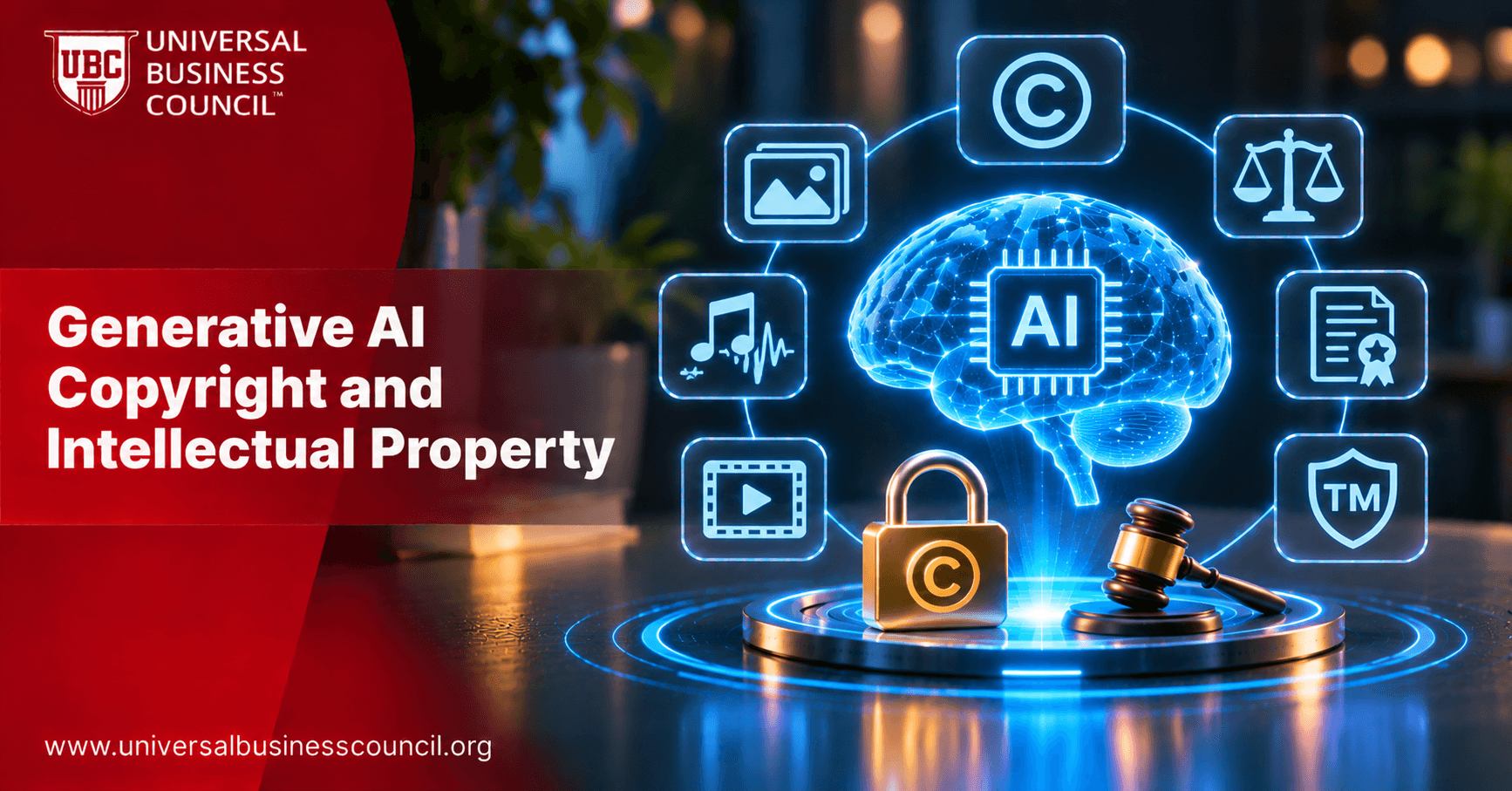
Who owns what a machine writes, and was it fair to teach the machine using other people's work? Courts, lawmakers and creators are still working through those questions, and the answers differ from country to country. Meanwhile, businesses are already using generative tools to write copy, produce images and draft code. This guide explains the main intellectual property risks around generative AI copyright and intellectual property, and sets out responsible practices for companies that use these tools and those that build them. It is general information, not legal advice. For readers who want structured training in this area, the Certified Responsible AI Expert program is a good option.
What is generative AI copyright and intellectual property?
It is the set of legal and ethical questions about how copyright, trademarks, patents, trade secrets and related rights apply to generative AI. They fall into three groups: the data used to train models, the content the models produce and the information users put into them.

Intellectual property law was written for human creators and traditional copying. Generative systems stretch it, and no single global answer exists. That uncertainty is a risk in itself, so organizations need practices that hold up across different outcomes.
Where the risks arise
Training data
Many models are trained on large collections of text, images, audio and code that include copyrighted works. Courts in several countries are considering whether this is allowed under doctrines such as fair use or exceptions for text and data mining, and results vary. In the EU, for example, text and data mining exceptions allow rights holders to reserve their rights, and the AI Act asks providers of general-purpose models to have a copyright compliance policy.
Outputs that resemble existing works
A model can sometimes produce content that closely matches something in its training data, including code, passages of text or recognizable styles and characters. Publishing such output can create infringement or trademark risk for the user, even when the tool is the source.
Ownership of outputs
In many jurisdictions, copyright protection depends on human authorship. Content generated with little human creative input may receive weak or no protection, which affects how much a company can stop others from copying it. Rules differ by country and are still developing.
Confidential and proprietary inputs
Pasting trade secrets, client material or unreleased work into an unapproved tool can expose it or breach contracts. This is among the most common and preventable IP problems.
Open-source and code licenses
AI-generated code may reflect licensed code with conditions attached. Using it without checking can create license obligations nobody planned.
Likeness, voice and trademarks
Generating content that imitates a real person's voice or face, or uses protected brand elements, can raise rights of publicity, trademark and deception issues beyond copyright.
Responsible practices for organizations that use generative AI
Set a clear policy on approved tools, permitted uses and what must never be entered into them
Review vendor terms for training data sources, ownership of outputs, data use and any indemnity
Keep a person's creative judgment in the loop, so the final work reflects real human authorship
Check outputs for similarity to existing works before publishing, especially for logos, characters, images and code
Scan AI-generated code for license issues
Avoid prompts that ask a tool to copy a named living creator's work or style closely
Keep records of prompts, edits and approvals for important works
Disclose AI use where contracts, platforms or laws expect it
Responsible practices for organizations that build models
Know where data comes from
Keep a record of training data sources and the legal basis for using each one. Prefer licensed, public domain or properly permitted data, and respect opt-out signals and reservations of rights, such as those expressed through robots files and metadata.
Reduce memorization and copying
Test whether the model reproduces training content, and add filters and training methods that limit it. Track and fix cases that slip through.
Offer a route for rights holders
Provide a clear channel to report infringement, request removal and ask questions. Respond within a set time and document the outcome.
Be open about data and limits
Publish summaries of training data where required or good practice, and tell customers what protection and terms apply to outputs.
For creators and rights holders
Creators can state their rights clearly, use machine-readable opt-out signals where they exist, register important works where registration is available, license content on terms they choose and monitor for unauthorized use. Collective licensing and direct licensing deals are growing, and they offer routes to compensation.
Content and marketing teams
Marketing teams use generative tools heavily for campaigns, images and copy, and a brand is responsible for what it publishes. Check rights before using generated visuals or music in advertising, and be careful with lookalike styles. Marketers who want a stronger grounding can explore the Certified Digital Marketing Expert program.
Governance basics
A short checklist
A named owner for generative AI IP risk
An approved tool list with reviewed terms
Staff training with plain examples of safe and unsafe use
A review step for high-visibility or high-value content
A takedown and dispute process
Regular reviews, since law and tool terms change quickly
Skills, records and trusted people
Teams that build and assess these systems need strong technical grounding, which the programming and technology certifications from Global Tech Council can help provide. Records of prompts, edits and licenses are more persuasive when they cannot be quietly altered, and teams exploring tamper-evident approaches can look at the deep tech certifications from Blockchain Council. When you hire for legal operations, content and engineering roles, skills tests show who can really do the job. HireValid offers AI-proof pre-employment tests with an Integrity Score that supports human review.
Conclusion: practising generative AI copyright and intellectual property responsibly
Generative AI copyright and intellectual property remains unsettled, which is exactly why responsible habits matter. The risks sit in three places: the data used to train models, the content models produce and the information users feed in. They show up as training data disputes, outputs that resemble existing works, uncertain ownership where human authorship is thin, leaked confidential inputs, open-source license obligations and rights around likeness, voice and brands.
Organizations that use these tools can protect themselves with a clear policy, reviewed vendor terms, real human creative input, similarity and license checks, careful prompting, good records and honest disclosure. Those that build models should know their data sources, respect opt-outs, test for memorization, give rights holders a clear channel and be open about data and limits. Creators can state rights, use opt-out signals and consider licensing. Pick one generative tool your team uses today, read its terms on training data, output ownership and indemnity and write a one-page rule for how staff may use it. The Certified Responsible AI Expert program mentioned at the start can help your team build the skills behind responsible practice in this area.
FAQs
1. Is AI-generated content protected by copyright?
It depends on the country and on how much human creative input is involved. Many places require human authorship.
2. Can I use AI output commercially?
Often yes, subject to the tool's terms and the risk of similarity to existing works. Check both.
3. Is training AI on copyrighted works legal?
It is being debated and decided differently in different countries, so the position is still developing.
4. What is a text and data mining exception?
A legal exception that allows copying works for analysis, sometimes with a right for owners to opt out.
5. Can AI output infringe copyright?
Yes, if it reproduces or closely copies protected material.
6. How do I reduce infringement risk?
Review outputs for similarity, avoid copying prompts and use tools with clear terms and safeguards.
7. Should staff paste confidential material into AI tools?
Not into unapproved tools. Use approved tools with reviewed data terms.
8. What is an IP indemnity?
A vendor promise to cover certain legal costs if its output is claimed to infringe, subject to conditions.
9. Is AI-generated code safe to use?
Review and scan it for license and security issues first.
10. Can I ask AI to write in a living artist's style?
It carries ethical and legal risk. Avoid close imitation of a named creator's work.
11. Who owns content I create with AI?
Ownership depends on the tool's terms and local law, so review both.
12. What records should I keep?
Prompts, edits, approvals, tool versions and licenses for important works.
13. Do I need to disclose AI use?
Where contracts, platforms or laws expect it, yes, and it is good practice elsewhere.
14. Can AI use someone's voice or face?
Only with proper rights and consent, since likeness and publicity laws may apply.
15. What should model builders document?
Data sources, legal bases, opt-out handling, testing for memorization and takedown actions.
16. How can creators protect their work?
State rights clearly, use opt-out signals, register works where possible and license on their own terms.
17. What does the EU AI Act say about copyright?
It asks providers of general-purpose models to have a copyright compliance policy and to publish a summary of training content.
18. How often should policies be reviewed?
At least twice a year, since law and tool terms change quickly.
19. Can small businesses manage this risk?
Yes. Use approved tools, review terms, keep human input and check outputs.
20. Where can I learn more?
Training such as the Certified Responsible AI Expert program and advice from a qualified IP lawyer for specific cases.
Related Articles
View All
Artificial Intelligence
Responsible AI Audit: Principles, Controls and Best Practices
Discover what a responsible AI audit involves and how organizations evaluate AI systems against principles of fairness, transparency, accountability, safety, and privacy. Learn about the audit process, key assessment areas, and how regular reviews help identify risks and strengthen responsible AI practices.
Artificial Intelligence
Responsible AI Training Program: Curriculum for Employees and Leaders
Learn how to develop a responsible AI training program that prepares employees and leaders to use AI safely and ethically. Explore essential curriculum topics, role-based learning, AI risk awareness, governance responsibilities, and practical training approaches that support responsible AI adoption across an organization.
Artificial Intelligence
Responsible AI Metrics Dashboard: Designing a Practical Scorecard
Learn how to design a practical responsible AI metrics dashboard to track fairness, transparency, accountability, safety, and privacy. Explore key performance indicators, measurement methods, and reporting practices that help organizations monitor AI systems and improve responsible AI implementation.
Trending Articles
The Role of Blockchain in Ethical AI Development
How blockchain technology is being used to promote transparency and accountability in artificial intelligence systems.
AWS Career Roadmap
A step-by-step guide to building a successful career in Amazon Web Services cloud computing.
Top 5 DeFi Platforms
Explore the leading decentralized finance platforms and what makes each one unique in the evolving DeFi landscape.