
Suyash Raizada
Workers' Compensation Insurance: A Practical Guide
Learn how workers' compensation insurance works, what it typically covers, how employees file claims, and what employers need to do to stay compliant.


Browse the latest business articles, tutorials, and research from Universal Business Council.(138 articles)
Learn how workers' compensation insurance works, what it typically covers, how employees file claims, and what employers need to do to stay compliant.
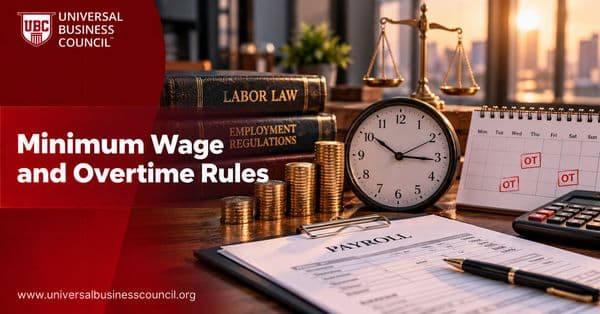
Learn how minimum wage and overtime rules work, how to classify employees correctly, track hours, calculate pay, and avoid common payroll compliance mistakes.
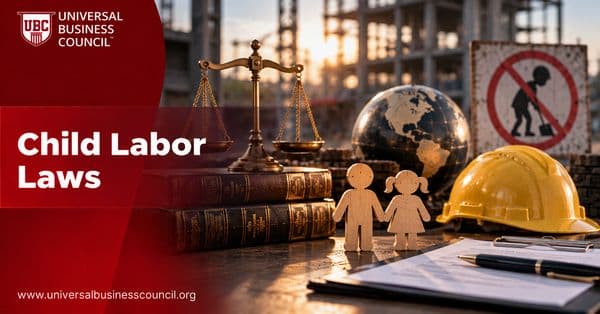
Learn how child labor laws protect young workers, how businesses can verify age, manage supplier risks, and respond appropriately when violations are identified.
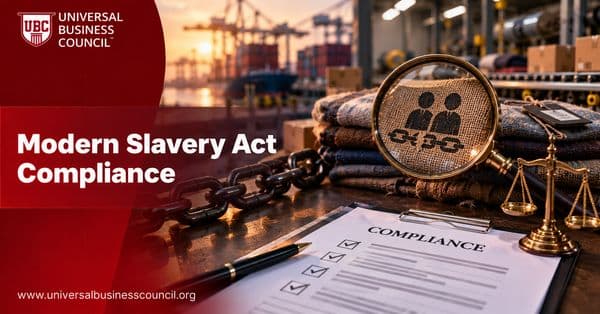
Learn what Modern Slavery Act compliance involves, what businesses should include in their statements, and how to turn reporting requirements into practical action

Learn how businesses can manage human rights risks in their supply chains through due diligence, supplier screening, monitoring, remediation, and documentation.
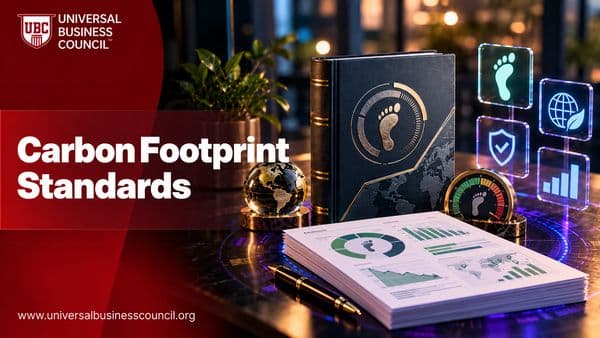
Learn how carbon footprints are measured, how sustainability standards shape climate claims, and what businesses need to document before making environmental statements.

Learn how ESG reporting turns environmental, social, and governance activity into measurable, documented information that businesses can report and defend.

Learn how transfer pricing regulations affect transactions between related companies, including pricing methods, documentation, reporting, audits, and tax risks.
Learn how businesses can manage tax compliance and reporting, from accurate filings and deadlines to supporting records, reviews, corrections, and audit readiness.
Learn how Customs and Border Protection rules affect imports, exports, documentation, classification, duties, inspections, and shipment delays.
Learn how trade sanctions and embargoes affect business transactions, including customer screening, restricted countries, payment risks, licenses, and compliance checks.
Learn how antitrust and competition laws affect everyday business decisions, including pricing, competitor interactions, market conduct, and agreements that can create legal risk.