

Meta Ads Major Updates: What Brand Owners Must Know
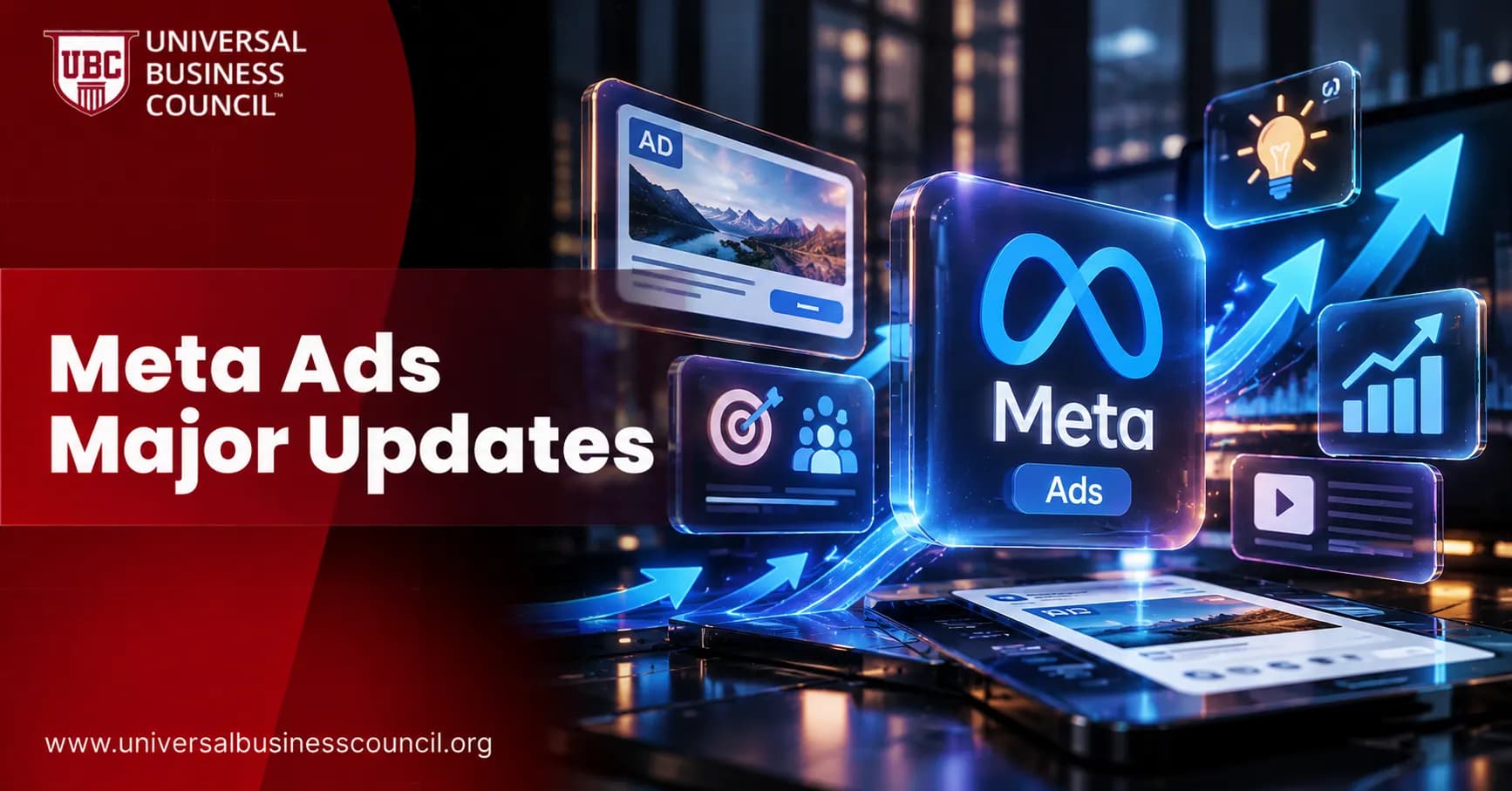
Meta has changed how brands can buy attention. On October 15, 2026, the company announced new brand advertising tools at its Brand Building Summit. The headline product is Meta Ads Super Burst. It lets a brand reserve a short window of 3 to 24 hours and reach people at TV-like scale. Meta also revealed a test called First Impression Ads and expanded Reels Trending Ads. Marketers who want to use these formats well need solid campaign skills, and a credential such as the Certified Meta Ads Expert program can help build them. This guide explains each update in plain language. It shows what is live, what is still a test, and how to plan your next campaign.
What Did Meta Announce at the Brand Building Summit?
Meta announced four brand-focused products: Ads Super Burst, First Impression Ads, an expanded Reels Trending Ads offering, and a measurement test called Aggregated View Time. Each one targets a simple goal. Meta wants brands to win attention at the moments that matter most.

The company explained the logic with a familiar idea. Most brands have only a few key moments each year. A product launch is one example. An awards night is another. The first weekend of a sports season is a third. In those windows, a brand needs a lot of reach in a short time.
Short video sits at the center of this plan. Meta says Reels now account for more than half of all time spent on Instagram. The company also says 71% of people believe Meta has the most influence in shaping the cultural trends they follow. Meta reported that a study of more than 1,000 global campaigns showed awareness built 18% better than the average brand channel and a 73% lift in consideration. These are company-reported numbers, so treat them as helpful signals rather than guarantees.
Here is a quick summary of the status of each product:
Ads Super Burst: launching, with a phased rollout.
First Impression Ads: an early test in the United States only.
Reels Trending Ads: available to all advertisers, with new options added.
Aggregated View Time: an early alpha test for measurement.
What Is Meta Ads Super Burst and How Does It Work?
Meta Ads Super Burst is a reservation-style buying option for brand campaigns. An advertiser books a fixed window of 3 to 24 hours. During that window, the brand aims to reach a very large share of its audience. The idea mirrors how television advertisers have long bought big moments, such as a major live event.
Because people now spend so much time in feeds and short videos, Meta wants to offer the same concentrated power on its own apps. A brand can pick the hours when its audience pays the most attention. It can then place its message in front of them again and again.
Marketers who plan these bursts well tend to think like media planners. They study audiences, timing, creative fatigue, and budgets. Many professionals build that foundation through a structured Marketing Certification. The knowledge helps them choose the right moment, set clear goals, and judge results fairly.
Why Category Exclusivity Matters
Meta says category exclusivity is available with Super Burst. In simple terms, no other advertiser in the same category can book the same window. Imagine a sports shoe brand reserves the first weekend of a football season. A rival shoe brand cannot buy that same window. The first brand then owns the moment.
This feature carries both value and risk. It protects your message from direct competition at the key time. However, it also likely raises the price. Meta has not published prices, minimum budgets, or CPM figures for this product. Reach Planner is described as the tool that estimates reach and price, so advertisers should check it before they commit.
When Should a Brand Use a Super Burst?
A Super Burst works best when timing drives sales or awareness. Examples include a phone launch, a festival collection drop, or a one-day sale.
A burst is less useful for slow, always-on campaigns. In those cases, steady spending across weeks usually works better.
Short windows demand ready assets. Prepare several creative versions before booking, and make sure your store or landing page can handle the traffic spike.
What Are First Impression Ads?
First Impression Ads place a brand in the first ad position in a person's Facebook Feed. Meta says advertisers have asked for this spot for years. The company says the first ad someone sees carries a kind of prominence that no other placement offers.
Think of it as a digital version of a homepage takeover. When a person opens the app, one advertiser owns the first commercial impression. For a brand owner, that sounds exciting. Imagine a customer opening Facebook in the morning and seeing your product first.
What Is Known Today
Right now, First Impression Ads are in an early test. Meta is running the test in the United States only. Only one brand can hold the spot each day. Meta has not shared results from the test. Reports also note that Meta has not published a list of future markets.
That last point deserves attention. Some social posts say the format is coming to India very soon. The sources reviewed for this article do not confirm that claim. Meta has said only that it is testing the product in the United States. Brand owners in India and other regions should watch Meta's official business announcements and speak with their Meta representatives before they plan around this format.
What Brands Should Do With It
A high-attention spot needs a message that earns the attention. A weak ad in the first position wastes a premium chance. Keep the message clear, bold, and easy to grasp in a second or two.
How Do Reels Trending Ads Help Brands?
Reels Trending Ads place an ad immediately after the most-watched and most culturally relevant Reels on Facebook and Instagram. A viewer finishes a popular Reel and then sees your ad. The ad appears while the viewer is still tuned into the trend.
Meta opened this product to all advertisers last year. Since then, the company has kept building it. Meta now offers 15 always-on topics. New categories include Home & Garden and Spanish-language content. Seasonal lineups also help brands connect with moments when people gather and shop.
Picture someone watching a trending home decor Reel. Right after it ends, an ad for a stylish lamp or a sofa appears. The ad feels like a natural next step. The viewer is already thinking about home decor, so the product fits the mood. That is the smart idea behind this format.
What the Early Numbers Say
Meta shared results from campaigns that used Reels Trending Ads. Action intent rose by more than 5 percentage points compared with control groups that saw no campaign. The ads also delivered an incremental 5 percentage point lift in unaided brand awareness. Again, these are Meta's own numbers. Brands should run their own tests to confirm the effect for their category.
New Targeting Controls
Meta also plans to add custom audience exclusions later this year. This option will give brands more control over who sees their ads. For example, a brand could exclude current customers when it wants to find new buyers. That saves budget and keeps the message relevant.
The Technology Behind the Placement
Behind every trend-based placement sits a stack of data systems and machine learning models. These systems decide which Reels count as trending and which ads fit next. Brand owners do not need to build this technology. Still, understanding the basics helps teams ask better questions about data, privacy, and measurement. Professionals who want to go deeper into such systems can explore a Deep Tech Certification to understand how modern platforms use advanced technology.
What Is Aggregated View Time?
Aggregated View Time is a new way to measure video attention. Meta is testing it at an alpha stage. Instead of judging each ad impression alone, the tool adds up the total time a person spends with a brand across a week.
This idea makes sense for short video. A viewer may watch two seconds of an ad on Monday and three seconds on Thursday. Each view looks small on its own. Together they may show real interest. Meta says its research linked five seconds of accumulated viewing over a week to 32% more offline sales. As with other figures, this result comes from Meta, so brands should look for confirmation in their own data.
For brand owners, the lesson is clear. Frequency across time can matter as much as one long view. A steady stream of short, memorable exposures may build memory and sales. If Aggregated View Time becomes widely available, it could change how teams set goals and report results.
How Does This Compare With Other Platforms?
Meta is not alone in selling premium moments. TikTok made TopReach public in May 2026. It combines the first content seen on opening the app with the first ad position in the For You feed. Platforms now sell guaranteed attention, much like television did for decades.
A Practical Playbook for Brand Owners
New formats only help when a plan guides them. Use the steps below to prepare.
Step 1: Define One Clear Goal
Decide whether you want awareness, consideration, or sales. A Super Burst suits awareness around a moment. Reels Trending Ads suit interest and action intent. Each goal needs different creative and different measures.
Step 2: Match the Format to the Moment
Use a reserved window for a launch or event. Use trend-based ads for steady discovery. Watch First Impression Ads as a future option, especially if your market is not yet included.
Step 3: Build Creative That Fits the Format
Short video should lead the plan. Lead with the product or the message in the first seconds. Use bold visuals and simple words. Make every version work on a small phone screen.
Step 4: Set a Realistic Budget
Premium products may cost more than standard campaigns. Check estimates in Reach Planner for Super Burst. Keep part of your budget for testing and for follow-up ads after the burst ends.
Step 5: Measure What Matters
Track reach, recall, consideration, and sales. Compare results with a control group when possible. Remember that Meta's published results are company-reported. Your own tests give the most reliable answer.
What Risks and Limits Should Brands Watch?
Availability varies, since Super Burst rolls out in phases and Meta has given no full market list. Costs may be high, and Meta has not published price details. Performance data is limited, because Meta shared no results for First Impression Ads. Finally, creative quality still decides the outcome, so a premium slot cannot rescue a weak ad.
Why Skills and Smart Hiring Matter in the AI Era
Meta's new tools rely heavily on automation and machine learning. Systems decide which Reels trend, who sees an ad, and how reach is estimated. As artificial intelligence becomes part of everyday business operations, employers increasingly need people who can apply AI knowledge responsibly and effectively. Evaluating candidates on relevant skills, reasoning, and practical understanding can support stronger hiring decisions. HireValid can be explored by organisations seeking structured candidate assessments.
For marketing teams, the same idea applies. A strong team combines creative talent, data skills, and platform knowledge. Hiring and training for these skills will matter more as ad products grow more advanced.
Conclusion
Meta's October 2026 announcements show where brand advertising is heading. Ads Super Burst offers reserved, TV-like reach in a window of 3 to 24 hours. First Impression Ads promise the first spot in Facebook Feed, but they remain a United States test with one brand per day. Reels Trending Ads place your message right after popular content, and they now cover more topics and better targeting. Aggregated View Time hints at a future where measurement follows total attention across a week.
The smartest approach is calm and practical. Use what is available now. Watch what is still in testing. Prepare strong creative, set clear goals, and measure results with care. Teams that keep learning will adapt fastest as these products grow.
Brand owners and marketers who want to stay ahead should invest in their own growth. Pairing platform knowledge with a recognised Tech Certification can help professionals understand the technology that now shapes modern advertising. Combined with hands-on practice, that learning turns new Meta updates into real business results.
FAQs
1. What Are the Major Meta Ads Updates in October 2026?
Meta announced several brand advertising updates on October 15, 2026, including Ads Super Burst, First Impression Ads, expanded Reels Trending Ads, and Aggregated View Time. These features aim to help brands secure high-visibility placements, reach audiences during important moments, and better understand the cumulative impact of video advertising.
2. What Is Meta Ads Super Burst?
Ads Super Burst is an advertising option that allows brands to reserve a concentrated advertising window lasting between 3 and 24 hours. It is designed for high-impact moments such as product launches, major sales, sports events, and seasonal campaigns. Advertisers can plan campaigns through Meta's Reach Planner.
3. How Does Ads Super Burst Work?
Advertisers select a suitable campaign window and use Reach Planner to estimate reach and pricing. The format offers delivery guarantees tied to those estimates and optional category exclusivity, meaning competing advertisers in the same category cannot reserve the same window. Availability is rolling out in phases.
4. Who Should Use Ads Super Burst?
Ads Super Burst may suit established brands planning product launches, large promotional events, seasonal campaigns, or time-sensitive announcements. It is particularly relevant when broad reach within a short period is more important than running a campaign gradually. Smaller businesses should compare the quoted cost with their available budget and campaign goals before booking.
5. What Are First Impression Ads on Facebook?
First Impression Ads are a premium advertising placement designed to show a brand's ad as the first advertisement a person sees when opening Facebook Feed. Meta announced an early test in the United States, limited to one brand per day. It is intended to offer prominent visibility, but it is not yet a generally available placement for every advertiser.
6. Are First Impression Ads Available to All Advertisers?
No. At the time of the October 2026 announcement, First Impression Ads were being tested in the United States, with one brand per day. Meta has not announced general availability across all markets. Advertisers should check with their Meta representative for eligibility and access.
7. What Are Reels Trending Ads?
Reels Trending Ads allow brands to place advertisements immediately after popular and culturally relevant Reels on Facebook and Instagram. The format helps advertisers appear alongside content connected to audience interests and trending topics. It is designed to combine brand visibility with the context of short-form video consumption.
8. What Is New About Reels Trending Ads?
Meta expanded the available topic choices to 15 always-on categories, including new Home and Garden and Spanish-language categories. Seasonal options are also available for moments such as holidays and the beginning of football and basketball seasons. Meta has also said it plans to add custom audience exclusions later in 2026.
9. How Can Brands Benefit From Reels Trending Ads?
Brands can use Reels Trending Ads to connect campaigns with relevant cultural moments and content themes. For example, a home decor brand may consider a Home and Garden topic, while a sports retailer may explore relevant seasonal opportunities. Advertisers should still check whether the selected topic aligns with their target audience and brand values.
10. What Is Aggregated View Time in Meta Ads?
Aggregated View Time is an experimental measurement approach that looks at the total time people spend viewing a brand's content across a week. Instead of evaluating each video exposure separately, it combines shorter interactions into a broader view of attention. The feature was in early-stage alpha testing at announcement.
11. How Is Aggregated View Time Different From Traditional Video Metrics?
Traditional video metrics often focus on individual views, view duration, or completion rates. Aggregated View Time aims to capture how multiple short exposures can add up over several days. If adopted more widely, it could give advertisers another way to assess the cumulative effect of short-form video campaigns.
12. Do These Meta Ads Updates Guarantee Better Advertising Results?
No. The updates create additional ways to buy visibility and measure advertising, but they do not guarantee higher sales or return on ad spend. Meta reported positive results from early tests, including improvements in ad recall for Ads Super Burst and brand awareness for campaigns using Reels Trending Ads. These results should not be treated as guaranteed outcomes for every campaign.
13. How Should Brand Owners Choose Between These Ad Formats?
The best choice depends on the campaign objective. Ads Super Burst is designed for concentrated reach during a specific time window, First Impression Ads prioritizes the first ad position in Facebook Feed, and Reels Trending Ads connects campaigns with popular content themes. Aggregated View Time is a measurement experiment rather than a separate ad placement.
14. Will These Updates Change Meta Ads Budgets?
They may influence how brands distribute their budgets, especially when planning major launches or seasonal campaigns. Reserved placements may require a different investment approach from standard auction campaigns. Advertisers should compare available estimates, expected reach, audience quality, and business objectives before shifting significant spending.
15. Are These New Meta Ads Features Available in India?
Availability varies by feature. Ads Super Burst is rolling out in phases, but Meta has not publicly specified every market included. First Impression Ads was announced as a US test, while Reels Trending Ads had already been expanded to advertisers more broadly. Indian advertisers should check Ads Manager or consult their Meta representative for account-specific availability.
16. What Should Brands Measure When Testing These Updates?
Brands should select metrics that match the campaign goal. Awareness campaigns may track reach, frequency, ad recall, and brand awareness, while performance campaigns should also examine qualified traffic, conversions, acquisition costs, and revenue. Advertisers should compare results against a suitable baseline rather than relying on a single metric.
17. How Can Small Businesses Adapt to Meta's New Advertising Direction?
Small businesses can start by improving their short-form video creative, maintaining a consistent campaign schedule, and identifying seasonal moments relevant to their customers. Premium placements may not be necessary for every business. Testing regular campaigns first can help brands understand their audience and establish a baseline before investing in larger awareness formats.
18. What Role Does Creative Content Play in These Meta Ads Updates?
Creative content remains central to brand advertising. Relevant videos, clear messaging, recognizable branding, and a strong opening can help capture attention in crowded feeds. Advertisers should prepare multiple creative variations and adapt them to the campaign's audience and context instead of relying on one asset for every placement.
19. What Should Advertisers Do Before Using These New Features?
Advertisers should confirm feature availability, review the estimated cost and reach, define clear campaign objectives, and prepare suitable creative assets. They should also establish measurement benchmarks and determine how campaign success will be evaluated. For premium placements, businesses should ensure that the timing and budget support a meaningful business outcome.
20. What Do Meta's Latest Advertising Updates Mean for Brand Owners?
Meta's latest updates reflect a stronger focus on premium visibility, cultural relevance, and cumulative attention across short-form video. Brands have more options for concentrating reach around key moments and appearing alongside trending content. The most effective approach is to match each format to a clear objective, monitor results carefully, and invest according to measurable business value.
Related Articles
View All
Meta Ads
How to Set Up Meta Ads Manager
Meta Ads Manager is the primary platform for creating, managing, and optimizing advertising campaigns across Facebook, Instagram, Messenger, and the Meta Audience Network. This guide explains how to set up Ads Manager and prepare your account for effective campaign management.
Meta Ads
How to Create a Meta Ads Account
Creating a Meta Ads account is the first step toward advertising on Facebook, Instagram, Messenger, and the Meta Audience Network. This guide walks you through setting up your account, configuring billing, connecting business assets, and launching your first campaign.
Meta Ads
Meta Ads vs Google Ads
Meta Ads and Google Ads are leading digital advertising platforms, but they target users in different ways. Learn how they compare in audience intent, targeting, ad formats, costs, conversions, and ROI to determine which platform best suits your marketing goals.
Trending Articles
The Role of Blockchain in Ethical AI Development
How blockchain technology is being used to promote transparency and accountability in artificial intelligence systems.
AWS Career Roadmap
A step-by-step guide to building a successful career in Amazon Web Services cloud computing.
Top 5 DeFi Platforms
Explore the leading decentralized finance platforms and what makes each one unique in the evolving DeFi landscape.