

Create Your Own Microdrama with AI: From Story Idea to Finished Video
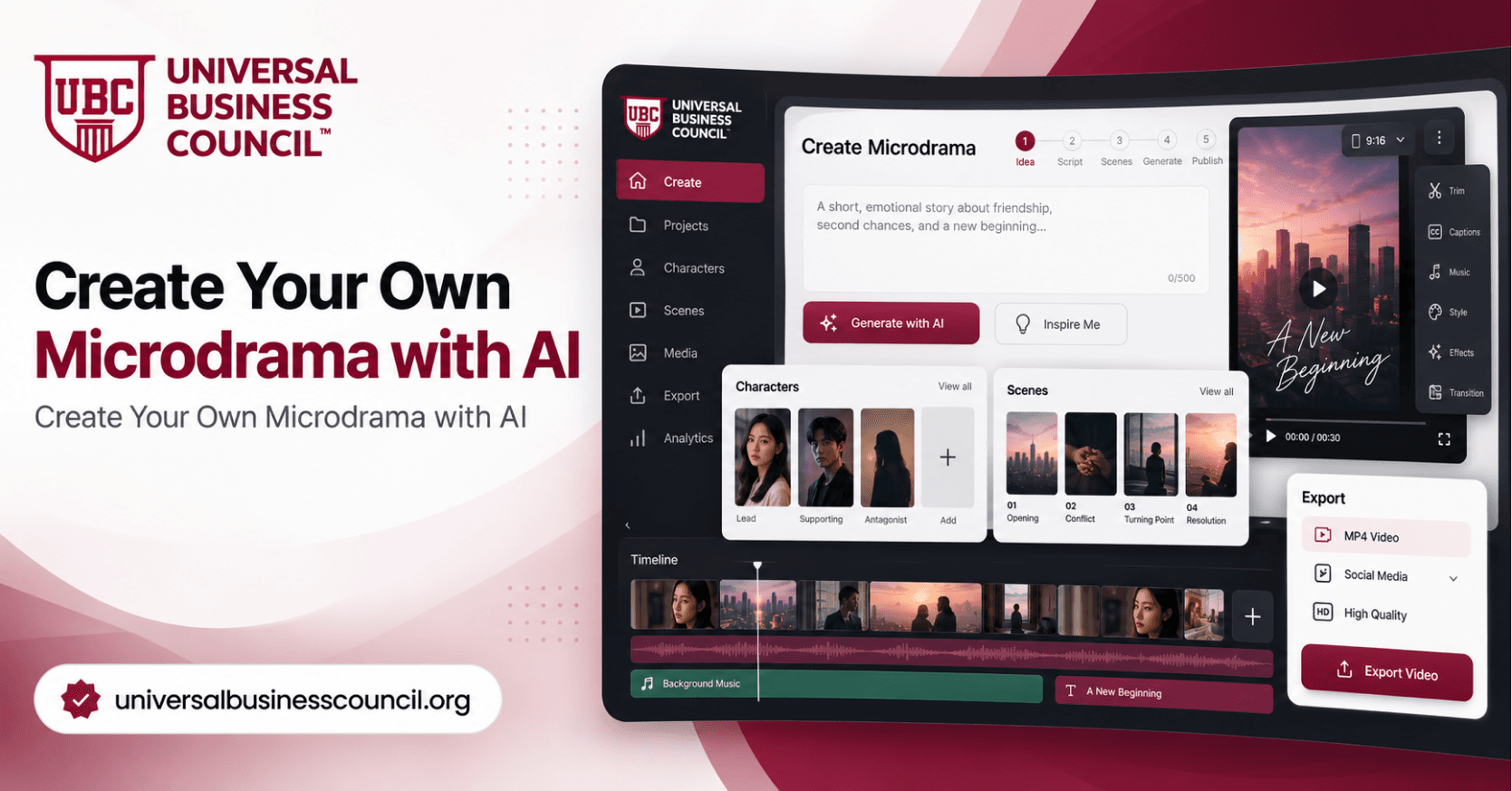
A compelling story does not always need a two-hour runtime.
Sometimes, a few minutes are enough to introduce a character, create conflict, build suspense and leave an audience waiting for the next episode.

This is the idea behind the microdrama.
Microdramas are short-form scripted stories designed around quick episodes, strong hooks and mobile-first viewing. As audiences increasingly consume video on digital platforms, the format is becoming an interesting way for creators, brands and entertainment companies to tell serialized stories.
Artificial intelligence is adding another dimension to this format.
With AI, creators can develop story ideas, write scripts, create characters, generate visual scenes and produce video content through a more connected workflow.
That means a creator can move from a simple story idea towards a finished microdrama without following every step of a traditional production process.
However, creating a good AI microdrama is not simply about generating short videos.
It requires storytelling, creative consistency, human review and a production workflow that can manage everything from the first idea to the final episode.
What Is a Microdrama?
A microdrama is a short-form scripted story usually presented through brief episodes.
Unlike a conventional film, which typically follows a longer narrative structure, a microdrama is designed around shorter viewing sessions.
Episodes can focus on:
Romance
Mystery
Thriller
Drama
Comedy
Family stories
Social stories
Branded entertainment
A microdrama can be released as a sequence of episodes, with each episode designed to deliver a meaningful moment while encouraging the viewer to continue.
For example:
Episode 1: A woman receives an unexpected message.
Episode 2: She discovers that someone else received the same message.
Episode 3: The message predicts something that has not happened yet.
Episode 4: The prediction comes true.
This structure creates an ongoing story while keeping each episode short.
AI can help creators explore these story structures faster.
Why Microdramas Are Growing
Digital audiences have changed how stories are consumed.
People increasingly discover entertainment through smartphones, social platforms and short-form video services.
Short episodes can fit naturally into these environments.
Microdramas also give creators the ability to experiment with stories without committing immediately to a long-form production.
A creator can test:
Different characters
Multiple story concepts
Different genres
Short episode structures
Regional stories
Language variations
Different visual styles
For brands, microdramas can provide an alternative to conventional advertising.
Instead of creating a traditional product advertisement, a brand can build a short story around a character, situation or customer experience.
For entertainment companies, microdramas can become a format for testing new characters and story worlds.
How AI Is Changing Microdrama Production
Traditional video production can require writers, directors, actors, locations, cameras, editors and post-production teams.
AI does not necessarily eliminate these roles, but it can change how some production tasks are handled.
AI can assist with:
Story development
Script writing
Character concepts
Storyboards
Visual references
Scene generation
Voice generation
Music and sound
Video creation
Subtitles
Language adaptation
This makes it possible to move through creative exploration faster.
For example, a creator can start with a one-paragraph story idea and develop it into an episode structure, character profiles and scene concepts.
The important point is that AI becomes part of the production workflow, rather than being used only to generate an isolated video clip.
How to Create Your Own Microdrama with AI
Creating a microdrama can be broken into several stages.
Step 1: Start With a Strong Story Idea
Begin with a simple premise.
A good microdrama idea should create curiosity quickly.
For example:
A delivery driver receives a package addressed to himself, but the delivery date is tomorrow.
This immediately creates questions.
Who sent it?
What is inside?
Why is it addressed to him?
What happens tomorrow?
That curiosity can become the foundation of the series.
Step 2: Define the Main Characters
Create a small number of characters initially.
Define:
Name
Age
Personality
Background
Motivation
Relationships
Conflict
Visual appearance
AI can help generate character concepts and descriptions, but the creator should establish the final character direction.
Step 3: Build the Episode Structure
Break the larger story into short episodes.
Each episode should have a clear purpose.
A simple structure could be:
Hook → Development → Reveal → Cliffhanger
This keeps the story moving without requiring every episode to resolve the larger narrative.
Step 4: Develop the Script
Turn the episode outline into dialogue and scenes.
Keep the dialogue focused.
Microdramas have limited runtime, so every scene should contribute something to the story.
Step 5: Create Visual References
Establish how the story should look.
This can include:
Character appearance
Locations
Color direction
Camera style
Clothing
Props
Lighting
Visual mood
These references help maintain consistency when AI is used to generate multiple scenes.
Step 6: Generate and Review Scenes
AI can assist with visual generation based on the approved creative direction.
The generated scenes should then be reviewed.
If something does not match the story or character direction, it can be refined before moving forward.
Step 7: Assemble the Episode
The final stage involves bringing the scenes, dialogue, sound and other assets together.
The completed episode can then be reviewed and prepared for its intended audience.
From Script to Scenes: Building Your Story
The transition from script to video is one of the most important stages in microdrama production.
A script describes what happens.
A scene needs to communicate that story visually.
For example:
Script:
Arjun opens the old box and discovers a photograph of himself standing beside someone he has never met.
The production workflow needs to translate that into visual decisions.
What does the room look like?
What does Arjun look like?
What does the photograph show?
What is the lighting?
What emotion should the scene communicate?
AI can help creators explore these visual decisions quickly.
But consistency remains important.
If Arjun looks significantly different in the next scene, the audience may lose connection with the story.
This is why AI microdrama production needs more than generation.
It needs a creative system.
Creating Characters and Visuals with AI
AI can help creators develop visual concepts for characters and scenes before production.
A character can be defined through a structured creative reference.
For example:
Character: Arjun
Age: 28
Role: Investigative journalist
Personality: Curious, persistent and cautious
Visual identity: Dark jacket, short hair and minimal accessories
Story role: Protagonist
This reference can become part of the project's creative canon.
A creative canon acts as a source of truth for the story.
It can contain:
Characters
Locations
Storylines
Relationships
Visual references
Brand elements
Creative rules
This becomes increasingly important when a microdrama contains many episodes.
How Tosheo Helps Create AI Microdramas
Creating a single AI-generated scene is relatively easy.
Managing an entire serialized story is much more complex.
This is where Tosheo fits into the AI-native production workflow.
Tosheo is the operating system for AI-native production, designed to take projects from greenlight to buyer-ready delivery.
Its workflow brings together:
Creative canon + human approvals + rights + multilingual production + measurable performance
For AI microdramas, this approach can help connect the different stages of production.
A project can begin with a story idea and move through:
Greenlight → Story → Characters → Creative Canon → Production → Review → Localization → Performance → Delivery
The creative canon can provide continuity across episodes.
Human approvals can keep people involved in important creative decisions.
Rights can be managed as part of the production process.
Multilingual production can help adapt stories for different audiences.
Performance measurement can provide insight into how the finished content performs.
This makes Tosheo more than a tool for generating individual videos.
It is designed around the broader AI-native production workflow.
Tosheo begins with Indian-language serialized entertainment and branded stories and is expanding across AI-native media production.
That makes microdramas a natural use case for a production environment where stories need to be created, repeated, adapted and managed at scale.
AI Microdrama vs Traditional Video Production
AI microdrama production and traditional video production are not necessarily competing approaches.
They can also work together.
Production Area | Traditional Approach | AI-Native Approach |
Story development | Human-led | Human + AI-assisted |
Character concepts | Manual creative development | AI-assisted exploration |
Visual concepts | Design and pre-production | Rapid AI-assisted iteration |
Scene creation | Physical or digital production | AI-assisted generation |
Variations | Additional production effort | Faster creative exploration |
Localization | Separate adaptation process | Integrated AI-assisted workflow |
Approvals | Manual review | Human-in-the-loop workflow |
Production management | Multiple systems | Connected production workflow |
Traditional production remains valuable for projects that require physical locations, actors, specialized equipment or highly controlled production environments.
AI-native production introduces more flexibility for certain types of stories and formats.
The strongest workflow can often combine human creativity with AI-assisted production.
Tips for Creating Engaging Short-Form Stories
Start with a hook
The first few seconds should give viewers a reason to continue.
Keep the story focused
Avoid introducing too many characters or subplots at the beginning.
End episodes with curiosity
A reveal, unanswered question or unexpected development can encourage viewers to watch the next episode.
Build memorable characters
Characters should have clear motivations and personalities.
Maintain continuity
Keep character appearance, relationships and story details consistent.
Design for the platform
Consider whether the microdrama is intended for vertical mobile viewing, social platforms or another distribution format.
Use AI as a production assistant
AI can accelerate creative exploration, but human direction should remain central.
Think beyond one episode
A microdrama works best when the individual episodes contribute to a larger story.
Learning Paths for AI and Emerging Technology
Creating AI-native entertainment requires knowledge that crosses technology, creativity and business.
Professionals interested in technology can explore Tech Certifications from Global Tech Council.
Those looking to develop knowledge in advanced and emerging technologies can explore Deep Tech Certifications from Blockchain Council.
For professionals interested in business, leadership and commercial applications of emerging technologies, Business Certifications from Universal Business Council provide another learning path.
These learning paths can help professionals understand the broader technologies and business models shaping AI-native industries.
Frequently Asked Questions
1. What is an AI microdrama?
An AI microdrama is a short-form scripted story that uses artificial intelligence in one or more stages of its production, such as story development, character creation, visual generation, voice or localization.
2. Can I create my own microdrama with AI?
Yes. You can use AI to assist with story ideas, scripts, characters, visual concepts, scenes, voice and other production stages.
3. How do I create a microdrama with AI?
Start with a story idea, develop the characters and episode structure, create the script, establish visual references, generate scenes, review them and assemble the finished episodes.
4. How long should a microdrama episode be?
There is no universal duration. The appropriate length depends on the story, platform, audience and format. The focus should be on delivering a compelling story within a short viewing experience.
5. Can AI write a microdrama script?
AI can assist with story concepts, outlines, dialogue and scripts. Human creators should review and refine the final story to maintain creative intent.
6. Can AI create microdrama characters?
AI can assist with developing character concepts, descriptions and visual references. A structured creative reference can help maintain consistency across episodes.
7. What is a creative canon in AI microdrama production?
A creative canon is a structured source of truth for characters, stories, locations, visual identity, relationships and other creative elements.
8. Why is character consistency important?
Character consistency helps viewers recognise and connect with the same characters across different scenes and episodes.
9. Can I create multilingual microdramas with AI?
AI can support multilingual production through language adaptation, voice, subtitles and other localization processes. Human review remains important for quality and cultural context.
10. What is Tosheo?
Tosheo is an operating system for AI-native production that connects creative canon, human approvals, rights, multilingual production and measurable performance from greenlight to buyer-ready delivery.
11. How does Tosheo help with AI microdramas?
Tosheo provides a governed production workflow for managing the different stages of AI-native storytelling, including creative canon, approvals, rights, multilingual production and performance.
12. Is Tosheo an AI video generator?
Tosheo focuses on the broader AI-native production workflow rather than positioning itself solely as an individual AI video generation tool.
13. Can Tosheo be used for serialized entertainment?
Tosheo begins with Indian-language serialized entertainment and branded stories, making serialized content a central part of its AI-native production approach.
14. Can AI microdramas be used by brands?
Yes. Brands can use microdramas for storytelling, campaigns, product narratives and branded entertainment.
15. Can AI create a complete microdrama automatically?
AI can assist with many stages, but a complete production still benefits from human creative direction, review, editing, continuity and production management.
16. What is the difference between an AI microdrama and an AI-generated video?
An AI-generated video can be an individual asset or clip. An AI microdrama is a structured narrative, often consisting of multiple connected episodes.
17. Why are microdramas suitable for AI-native production?
Their short episodes, serialized structure and need for repeated content can make them suitable for workflows that support rapid creative development, generation and adaptation.
18. Can AI microdramas be created for Indian audiences?
Yes. AI-native workflows can support Indian-language stories and multilingual adaptations. Tosheo specifically begins with Indian-language serialized entertainment and branded stories.
19. What should creators focus on when making an AI microdrama?
Creators should focus on a strong hook, clear characters, concise storytelling, episode continuity, visual consistency and a compelling reason for viewers to continue.
20. Where can professionals learn about AI and emerging technologies?
Professionals can explore Tech Certifications from Global Tech Council, Deep Tech Certifications from Blockchain Council, and Business Certifications from Universal Business Council based on their learning objectives.
Conclusion
AI is making it easier to move from a simple story idea to visual content.
For microdramas, this creates an opportunity to develop characters, scripts, scenes and episodes faster while experimenting with new storytelling formats.
But successful AI microdrama production requires more than generating individual clips.
It requires continuity, creative direction, human approval, rights management, localization and a repeatable production workflow.
This is where Tosheo's approach to AI-native production becomes relevant.
By bringing together creative canon, human approvals, rights, multilingual production and measurable performance, Tosheo is designed to help move a story from greenlight to buyer-ready delivery.
For creators, brands and entertainment teams, the opportunity is clear: start with an idea, build the story, create the world and use AI to bring the microdrama to life.
Related Articles
View AllArtificial Intelligence
AI Video Marketing: Plan, Create, and Optimize Videos with AI
Learn how AI video marketing improves planning, production, personalization, and optimization, with practical workflows, tools, metrics, and risks.
Artificial Intelligence
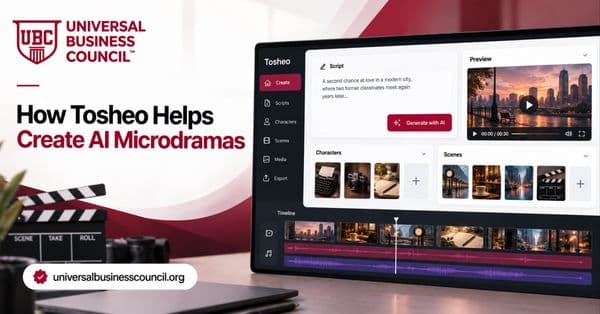
How Tosheo Helps Create AI Microdramas
Discover how Tosheo helps creators develop AI microdramas, from story ideas and characters to vertical episodes, dialogue, visuals, editing, and final production.
Artificial Intelligence
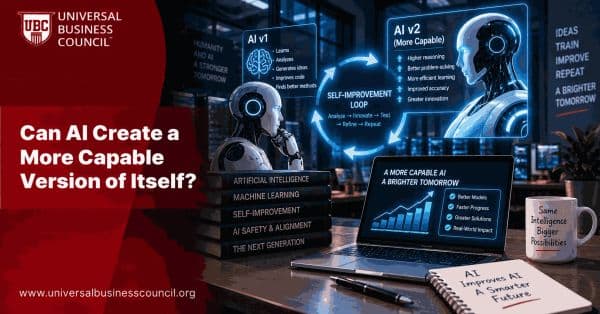
Can AI Create a More Capable Version of Itself?
Explore whether AI can create a more capable version of itself, how automated model design and optimization work, and what technical and safety challenges still remain.
Trending Articles
The Role of Blockchain in Ethical AI Development
How blockchain technology is being used to promote transparency and accountability in artificial intelligence systems.
AWS Career Roadmap
A step-by-step guide to building a successful career in Amazon Web Services cloud computing.
Top 5 DeFi Platforms
Explore the leading decentralized finance platforms and what makes each one unique in the evolving DeFi landscape.