

Research & Knowledge Hub
1,582+ research articles, technical guides, and in-depth analyses authored by council members and industry experts.
Articles - Page 34
1,582 articles

How to Crack AI Roles in Companies Like OpenAI & Emergent
Discover how to land AI roles at companies like OpenAI and Emergent by mastering essential skills, building standout projects, creating a strong portfolio, and preparing effectively for technical interviews.

How Tosheo Helps Create AI Microdramas
Discover how Tosheo helps creators develop AI microdramas, from story ideas and characters to vertical episodes, dialogue, visuals, editing, and final production.

Create Your Own Microdrama with AI: From Story Idea to Finished Video
Learn how to create a microdrama with AI, from developing the story and script to generating visuals, voiceovers, scenes, and a finished short-form video.

WhatsApp Rank on Google: What Search and App Data Really Shows
Learn what WhatsApp rank on Google means across web search, Google Play, and local SEO, plus how businesses should use WhatsApp for conversions.

Recursive Self-Improvement in AI: Benefits, Risks, Challenges, and Future Impact
Explore recursive self-improvement in AI, including its potential benefits, technical challenges, safety risks, and possible impact on the future of artificial intelligence.
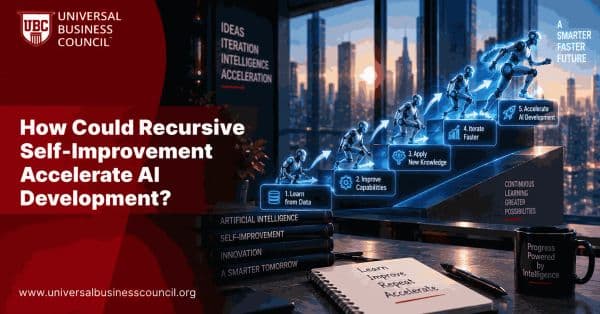
How Could Recursive Self-Improvement Accelerate AI Development?
Explore how recursive self-improvement could accelerate AI development through faster experimentation, automated research, model optimization, and repeated capability gains.
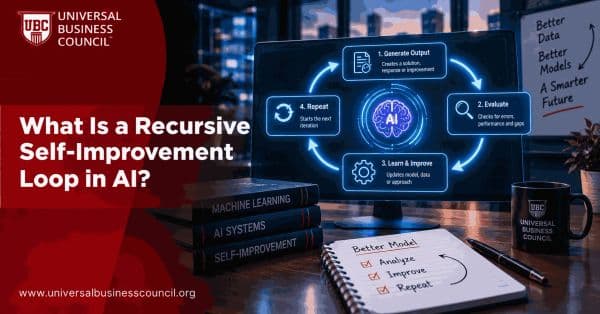
What Is a Recursive Self-Improvement Loop in AI?
Learn what a recursive self-improvement loop is in AI, how repeated cycles of evaluation, modification, and capability improvement could work, and why the concept matters for AGI and AI safety.

Could Recursive Self-Improvement Lead to Artificial Superintelligence?
Explore whether recursive self-improvement could lead to artificial superintelligence, how repeated capability gains might accelerate AI development, and what technical and safety challenges could emerge.
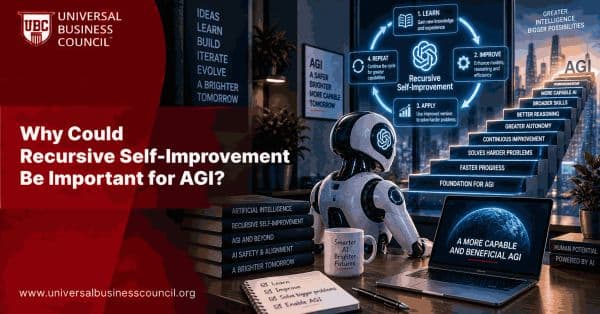
Why Could Recursive Self-Improvement Be Important for AGI?
Explore why recursive self-improvement could matter for AGI, how it might accelerate capability growth, and why it raises important questions about alignment, control, and AI safety.
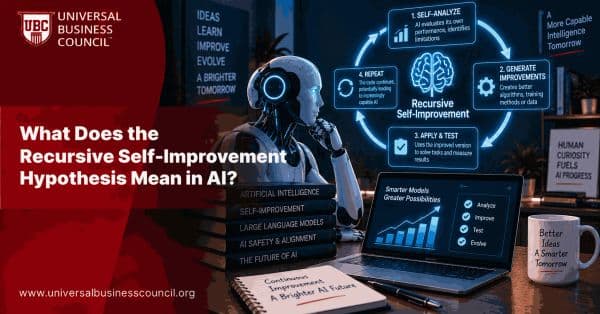
What Does the Recursive Self-Improvement Hypothesis Mean in AI?
Learn what the recursive self-improvement hypothesis means in AI, how the idea suggests systems could repeatedly improve their own capabilities, and why it matters for AGI and AI safety.
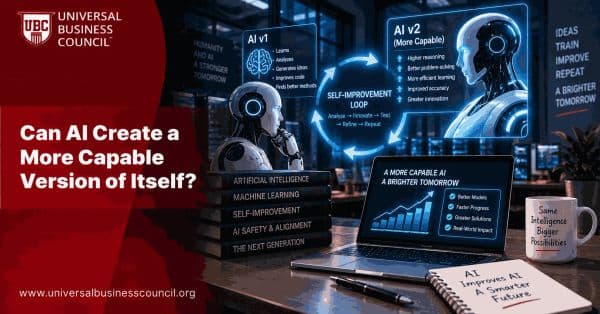
Can AI Create a More Capable Version of Itself?
Explore whether AI can create a more capable version of itself, how automated model design and optimization work, and what technical and safety challenges still remain.

Can AI Models Train and Improve Themselves Without Human Intervention?
Explore whether AI models can train and improve themselves without human intervention, how self-training and automated optimization work, and where human oversight is still required.